我 我真不知道该怎么办
“I really don't know what to do.”
THE DIALOGUE REEL
你帮帮我吧
“you have to help me.”
我 我真 不知道该怎么 办
“I really don't know what to do.”
卢女士您别着急
“Take a breath, Ms. Lu.”
Direct spoken expression in this communicative setting.
In Chinese society, expressing utter vulnerability ('不知道该怎么办') when asking an authority or professional for help is a socially accepted way to invoke empathy and elicit proactive assistance.
LEARNING CHUNKS & PARTICLES
really do not know
Used to convey genuine bewilderment or an inability to solve a distressing problem.
what should be done
An essential spoken phrase to express total loss about the next course of action.
VOCABULARY & EXPRESSIONS
Parallel Spoken Cinema Scenes (语义近邻切片)

“Do you really not want to know why I chose Zhaohui”

“Honestly, I don't even know what to say to you anymore.”

“I... I don't know how to say it. I have to...”

“I just don't know. I don't care what you say.”

“then I don't know where I can go next.”

“then I don't know where I can go next.”

“But I genuinely didn't know it was meant to frame me.”

“I... I don't know what to say.”

“But I don't know what to do,”
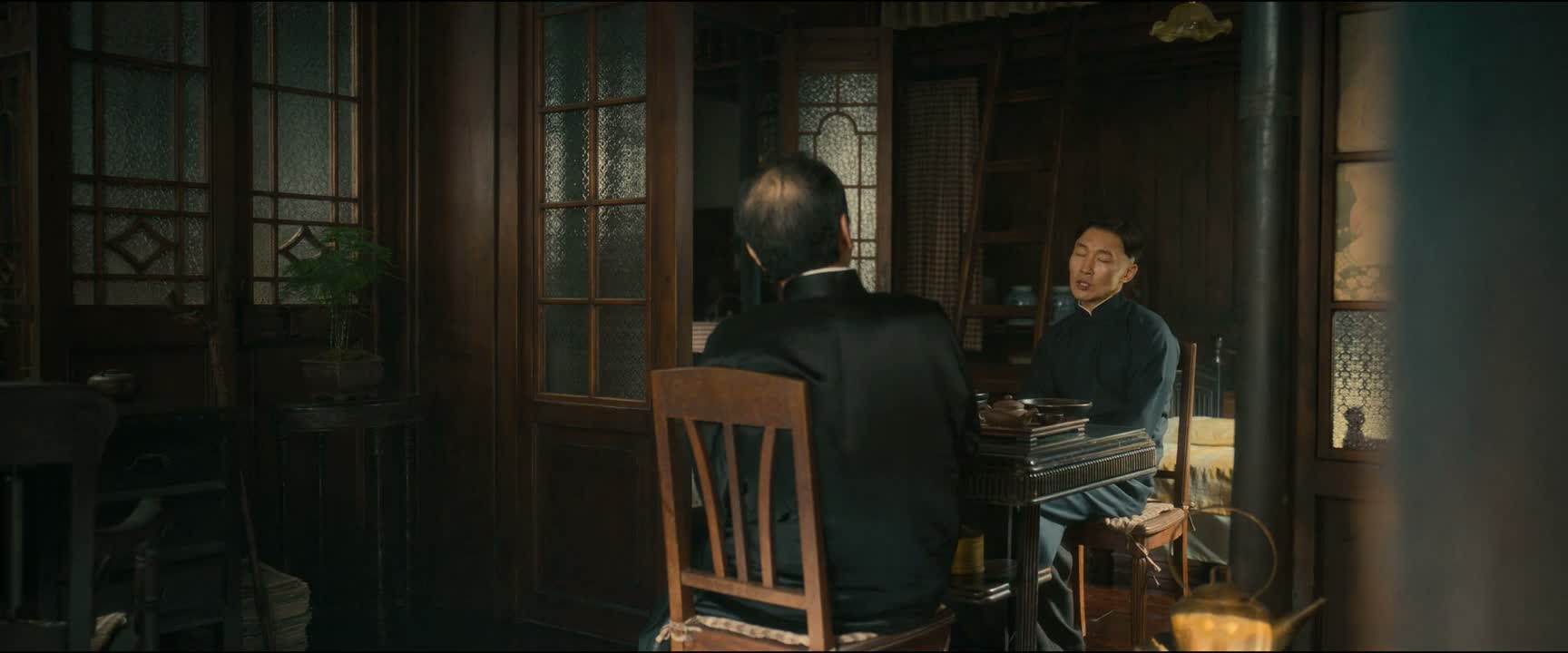
“I really don't know what to do. Since you are here,”

“I am at a loss.”

“I really wouldn't know what to do.”

“I-I really don't know about him.”

“I... I really don't know.”

“I really don't know that.”

“I... I don't know.”

“and I don't know which one is the right choice.”

“I really don't know what to say.”
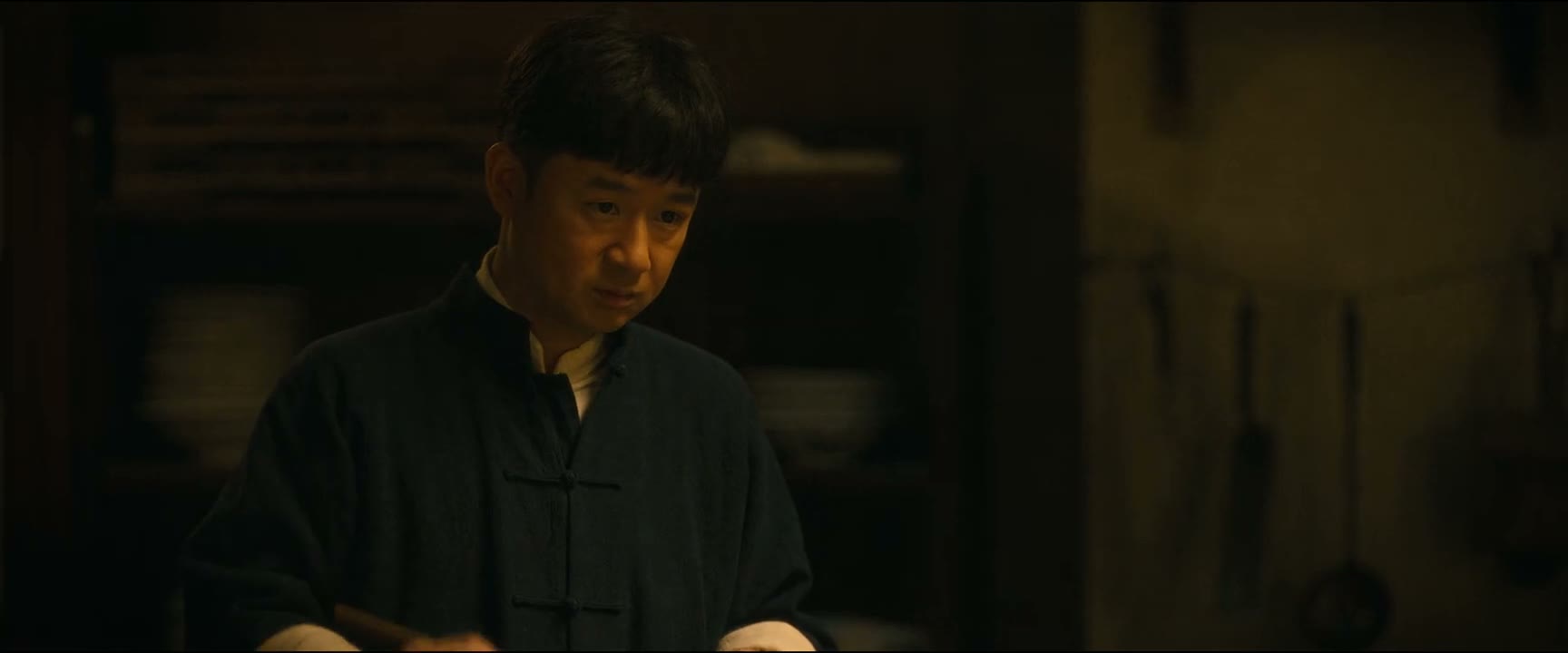
“I really didn't know that finding a suitable job would be so difficult.”

“I don't know. I truly don't know.”

“Aunt. I... I don't know what to say.”

“I really don't know what to do.”

“I truly don't know what to do now.”

“I... I don't know.”
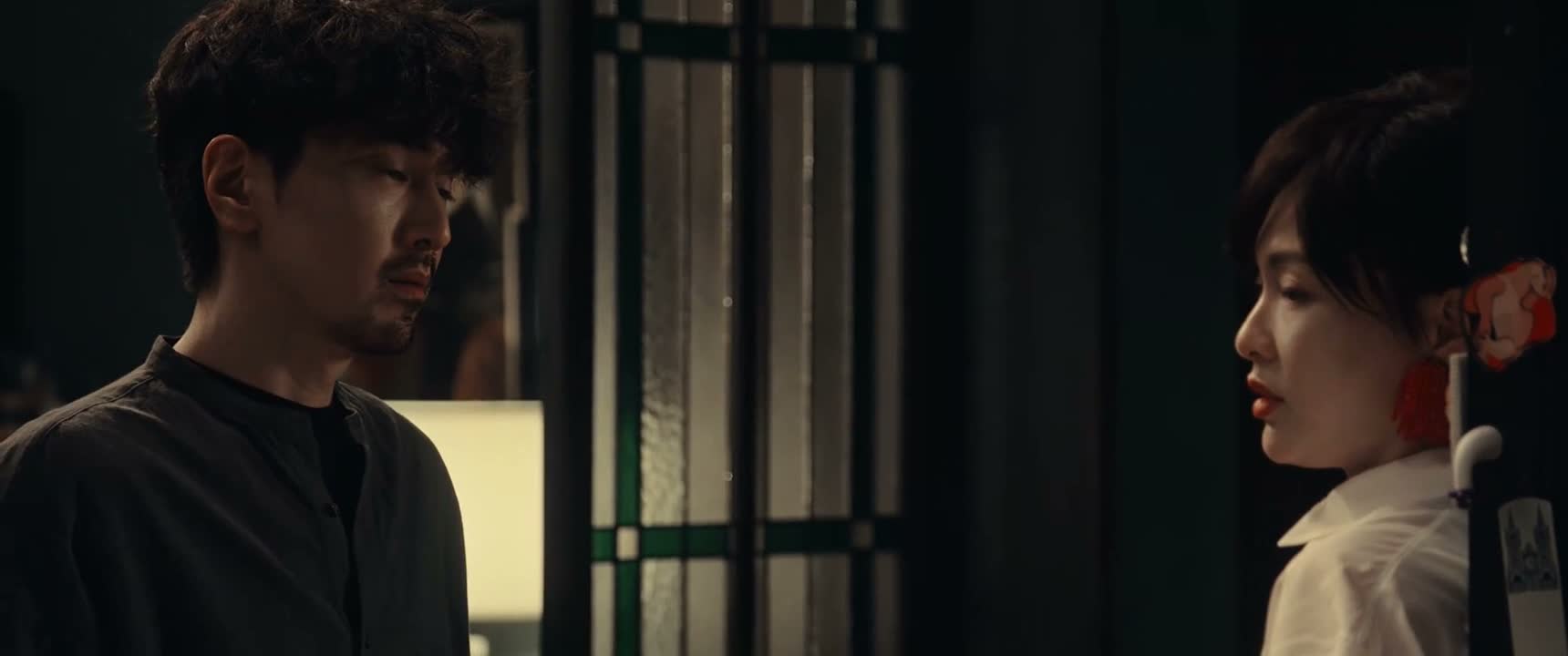
“Honestly, I don't know what to do yet.”

“I... I really don't know what happened.”
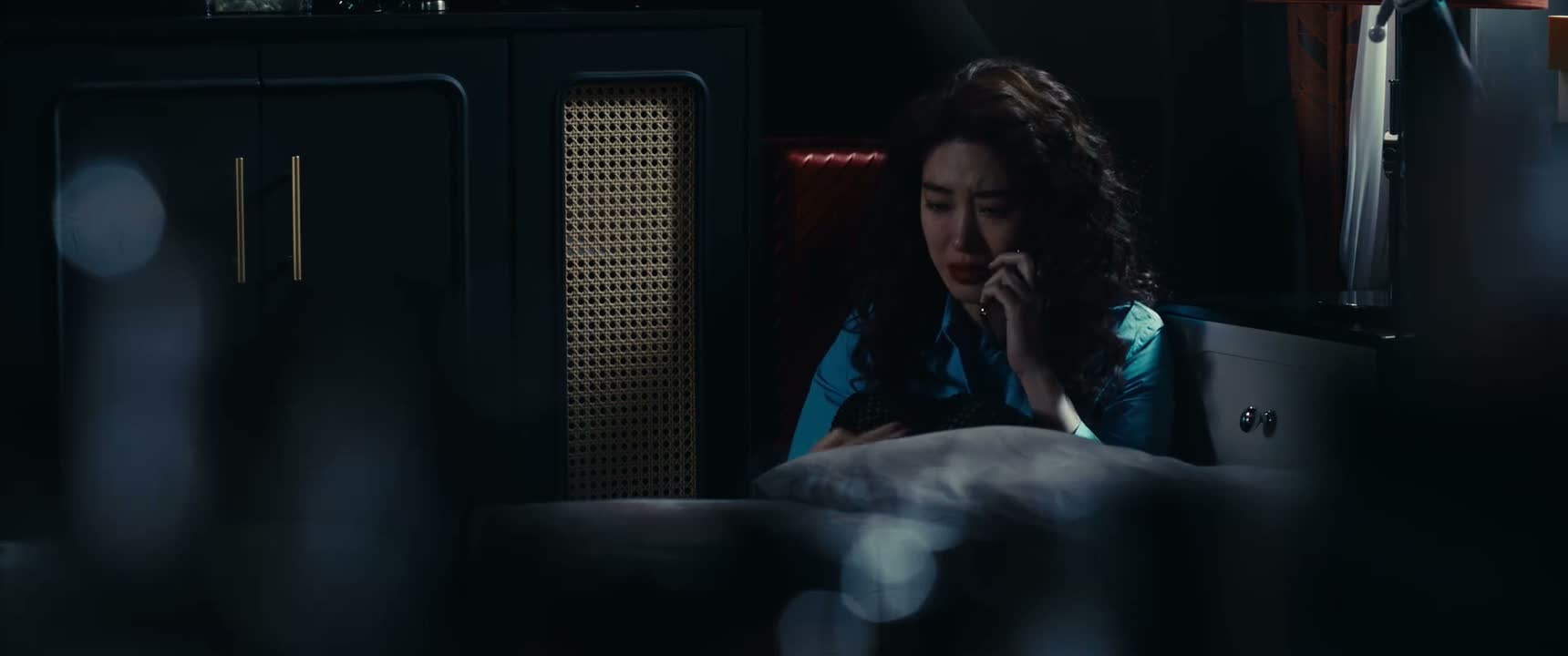
“I didn't know what else to do.”
“Otherwise, I'd have no idea what to do.”

“I don't know what to do. You don't know? How am I supposed to know?”