一个个惨绝人寰的
“work people to death.”
THE DIALOGUE REEL
你不会又拒绝了吧 我当然拒绝了 前台那么累
“Don't tell me you turned it down again. Of course I did. Those project teams”
一个个 惨绝人寰 的
“work people to death.”
“They have no life outside of work. Why would I join them?”
“Every single one of them looks utterly miserable and worked to death, there's no way in hell I'd take that job.”
In contemporary Chinese social conversations, young people frequently borrow solemn idioms originally reserved for major catastrophes or immense tragedies (such as 'can jue ren huan' [unprecedentedly tragic] or 'tong bu yu sheng' [grief-stricken beyond wanting to live]) to playfully exaggerate intense workplace pressure, exhaustion, and burnout.
LEARNING CHUNKS & PARTICLES
Originally describing unprecedented tragedy or extreme cruelty, this idiom is colloquially used as hyperbole to describe being utterly miserable, tormented, or exhausted.
A formal written idiom borrowed for dramatic conversational exaggeration, often used to vent or complain about a dreadful situation.
Each and every one; one by one without exception.
A reduplicated measure word used to emphasize that every single member of a group shares a particular state or characteristic.
Sentence-final particle forming a descriptive predicate phrase, emphasizing a defining characteristic and adding an assertive tone.
VOCABULARY & EXPRESSIONS
Parallel Spoken Cinema Scenes (语义近邻切片)
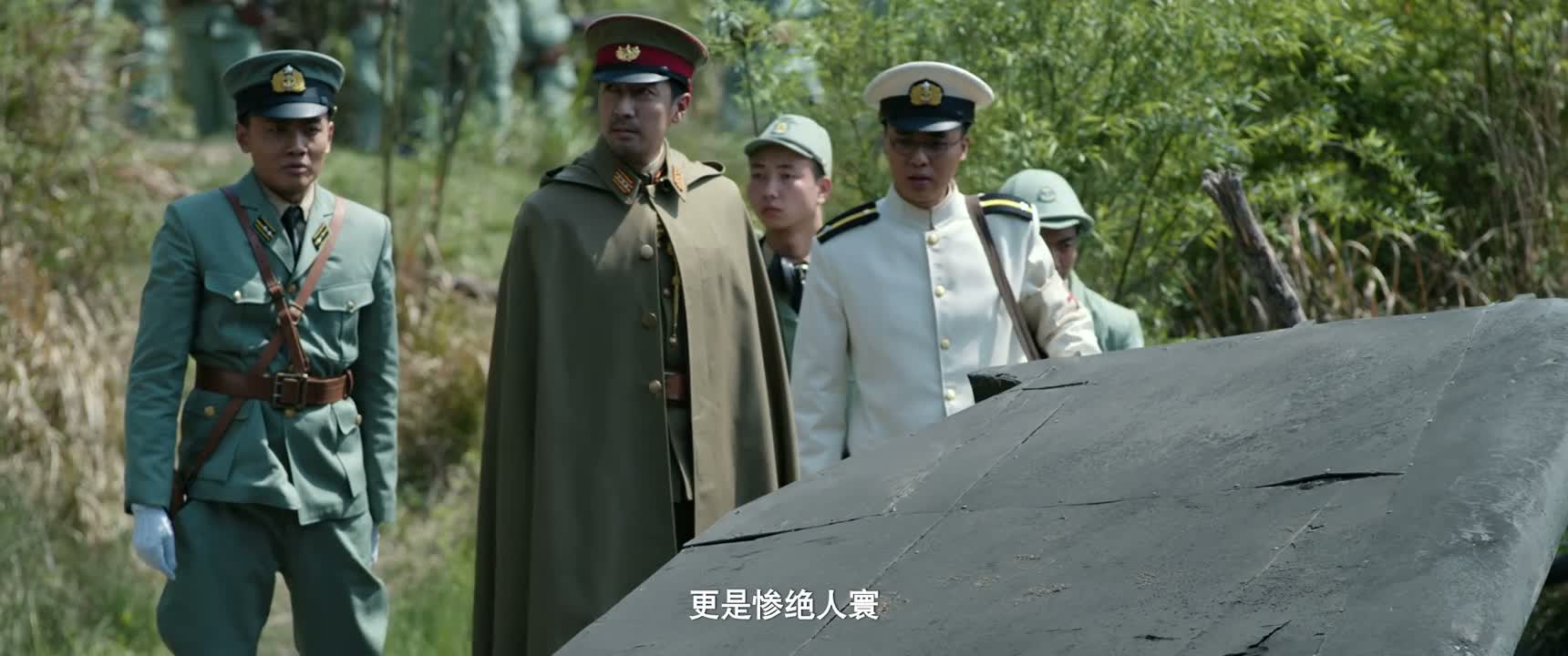
“were even more tragic.”
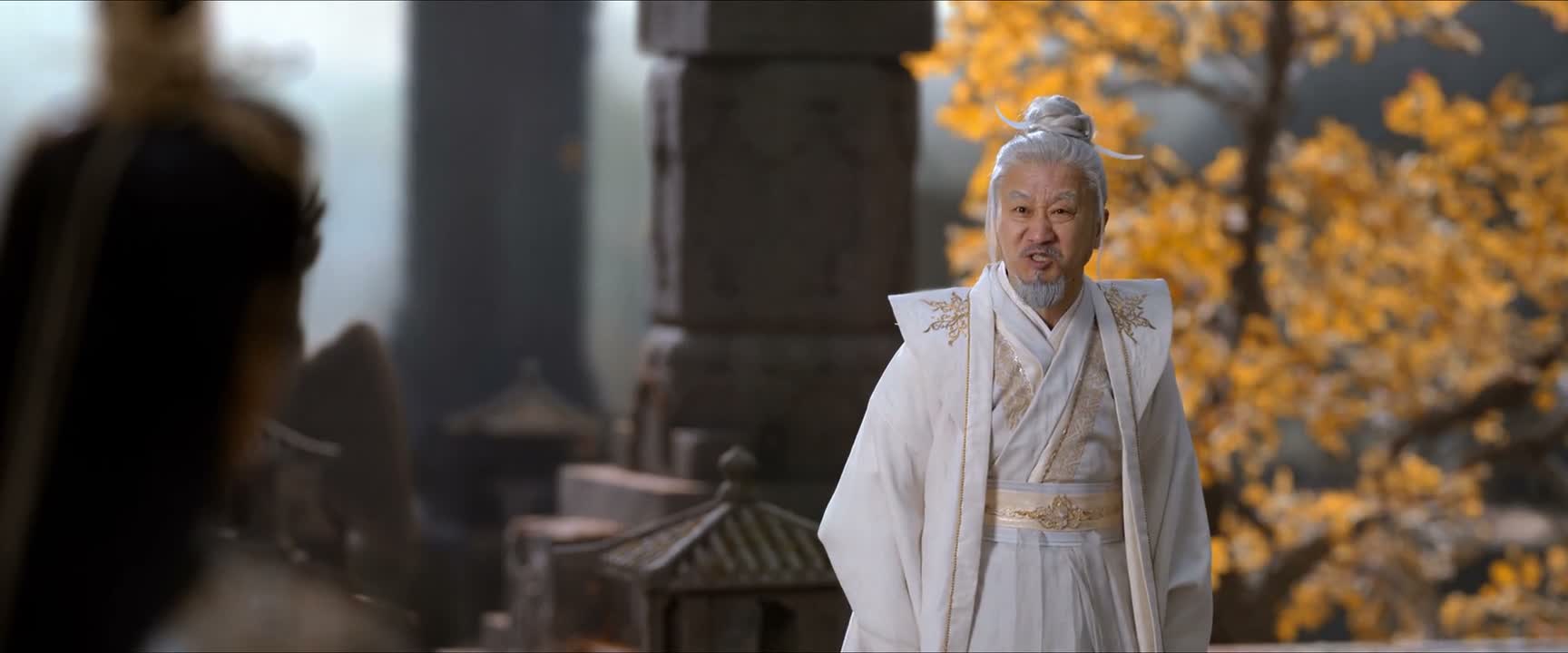
“just how brutal and harrowing it all was!”
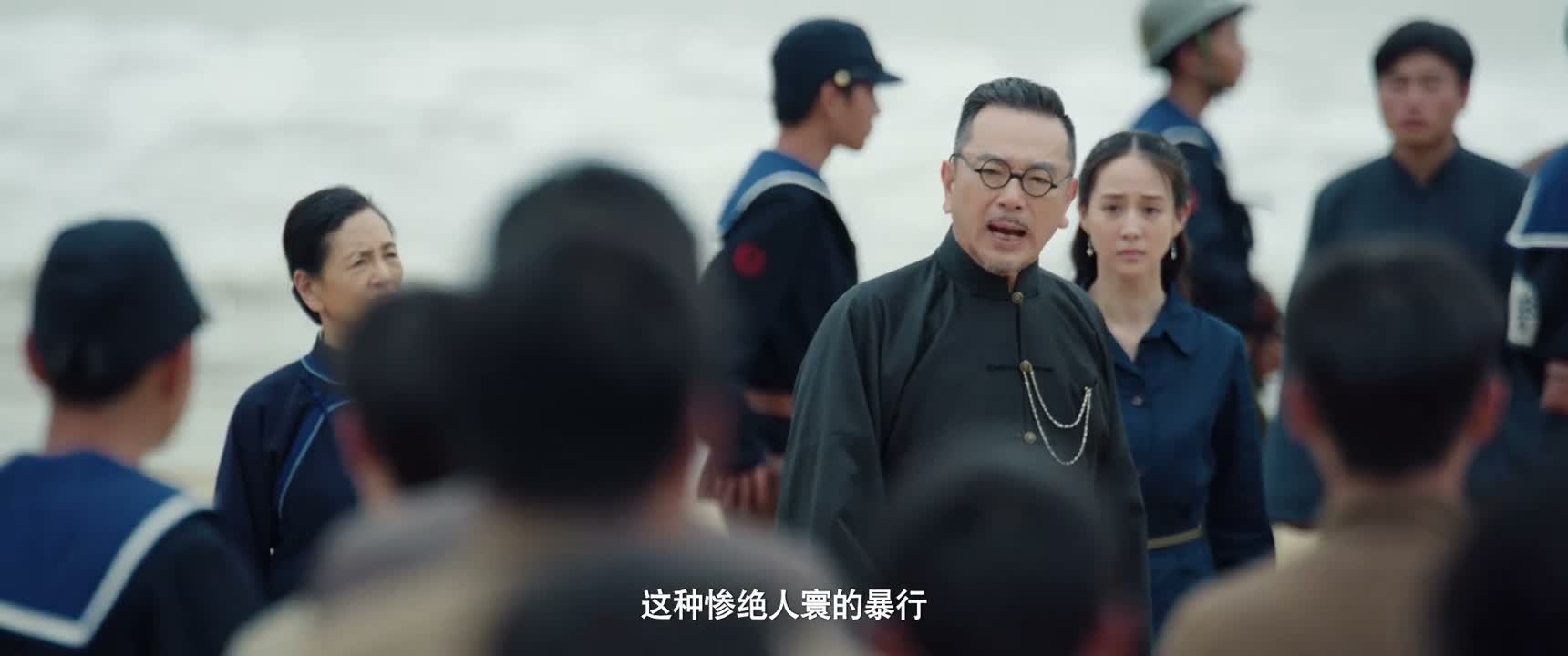
“Such inhumane atrocities”

“It's practically an eyesore.”

“Such an inhuman crime should be punished severely.”

“when I heard the news.”