降魔镇鬼符 来嘛
“an evil-cleansing talisman. Come.”
THE DIALOGUE REEL
施主 我看你心事重重 让贫道替你画一道
“Mister, you seem troubled. Allow me to draw you”
降魔镇鬼符 来嘛
“an evil-cleansing talisman. Come.”
来嘛你
“Come.”
“Let me draw an exorcism talisman for you—come on, just give it a try!”
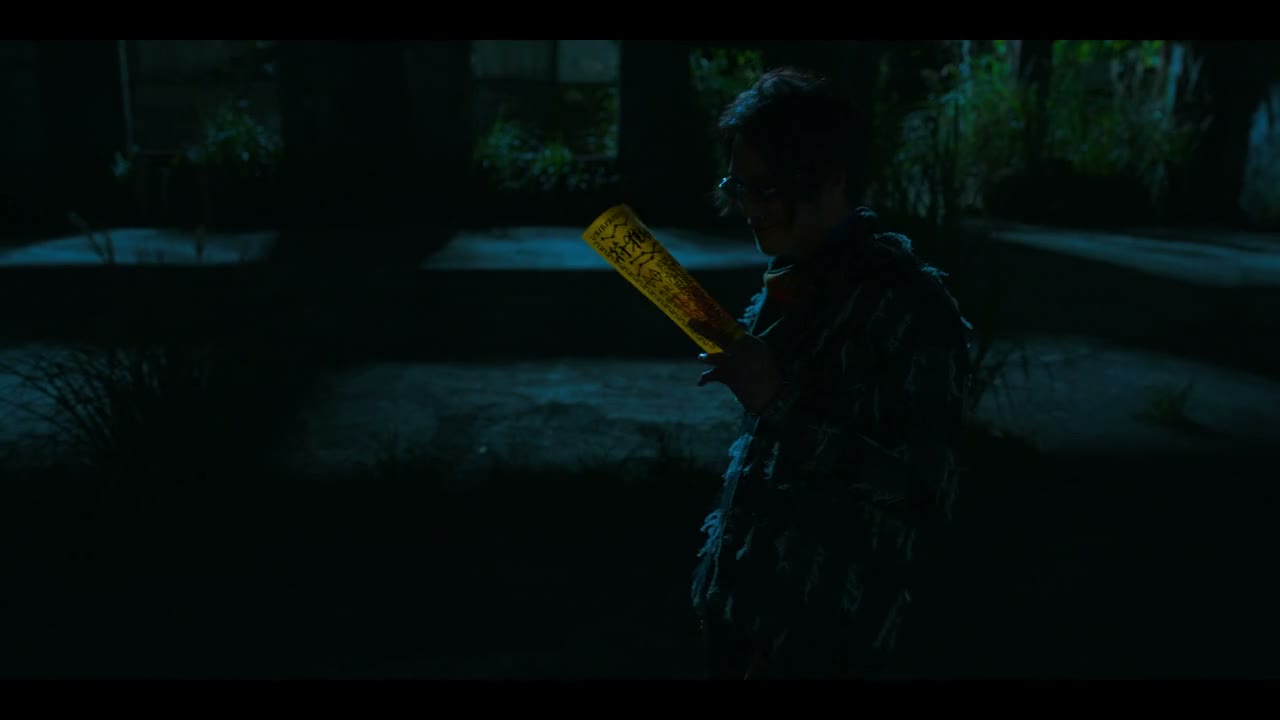
In Chinese Daoist culture, priests write incantations on yellow paper with cinnabar or ink, believed to hold supernatural power to expel evil spirits and safeguard homes. In period dramas, these are often used by charlatans and swindlers to deceive commoners.
Traditional religious titles: 'pindao' is a humble first-person address used by Daoist priests, while 'shizhu' is an honorific term used to address secular believers and patrons.
LEARNING CHUNKS & PARTICLES
subduing demons and repressing evil spirits, often used to describe Daoist magic or talismans
Commonly heard in costume dramas or folklore contexts to denote supernatural acts of exorcising evil.
come on; come over and try it
A spoken urging expression carrying a coaxing, enticing, or wheedling tone.
Placed at the end of an utterance to coax, persuade, or urge, softening the tone to nudge the listener to comply.
VOCABULARY & EXPRESSIONS
Parallel Spoken Cinema Scenes (语义近邻切片)
“But with this Talisman…”

“What a vicious spell.”

“If it weren't for that talisman,”

“So many people tearing talismans, suffering the curse.”

“Those boxes are covered in talismans. They don't look like they're meant for the living at all.”

“I never expected a random demon sect weapon”