所有问题 都是您帮我们担着 这一次
“First, it was you who bore all the problems that happened in Yuehai. This time, we want to bear it ourselves.”
THE DIALOGUE REEL
我们是这样考虑的 第一 之前月海发生的
“here's our thinking. First, it was you who bore all the problems”
所 有问题 都是您帮我们 担着 这一次
“First, it was you who bore all the problems that happened in Yuehai. This time, we want to bear it ourselves.”
我们想自己担
“This time, we want to bear it ourselves.”
“You have always shielded us from the consequences in the past, but we are ready to take full responsibility on our own this time.”
In workplace or mentorship culture, a superior taking the blame or shouldering burdens for juniors ('bang xia shu dan zhe') demonstrates accountability and paternal protection. When subordinates step up to shoulder responsibility themselves ('zi ji dan'), it reflects both respect for their senior and a rite of passage to assert independence and prove their own competence.
LEARNING CHUNKS & PARTICLES
to shoulder (responsibility, pressure, consequences); to take the blame
Extremely common in colloquial speech and workplace settings, often used in patterns like 'ti/bang someone dan zhe' to mean taking the fall for someone or shielding others from repercussions.
this time; on this occasion
Often placed at the beginning of a clause or used as a transitional temporal phrase to contrast the present situation with past occurrences.
VOCABULARY & EXPRESSIONS
Parallel Spoken Cinema Scenes (语义近邻切片)

“I can give you anything you want and solve all your problems.”

“all of you can come and help me.”
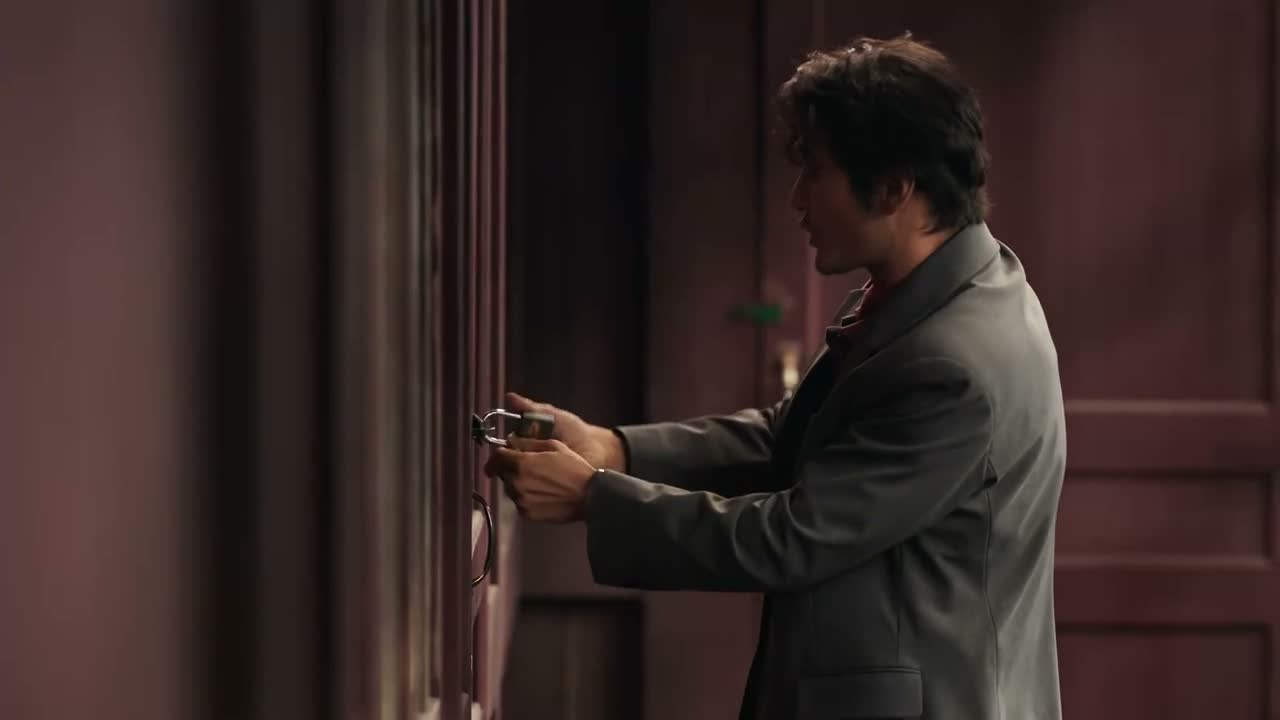
“I'll take responsibility for anything.”