我对你期望 是不是过高了
“did I set my expectations for you too high?”
THE DIALOGUE REEL
小杜
“Du,”
我对你期望 是不是 过高了
“did I set my expectations for you too high?”
小刘
“Liu,”
“You have seriously let me down; your performance falls far short of what I expected.”
In Chinese workplaces, superiors often avoid direct harsh rebukes and instead use rhetorical, self-questioning remarks (such as 'did I expect too much of you?'), exerting immense psychological pressure on employees to self-reflect and take heed.
LEARNING CHUNKS & PARTICLES
to have overly high expectations of someone or something, exceeding realistic capabilities or reasonable limits
Often used by superiors to express disappointment to subordinates, or in self-deprecating irony after a personal setback.
whether something has reached a certain degree or state
Frequently used in spoken Chinese as a rhetorical question to subtly or firmly raise doubts, criticize, or confirm an established fact.
Sentence-final particle signaling a change of state or a realized situation; here, it reinforces a settled judgment about the current state of affairs with a tone of disappointment and sighing.
VOCABULARY & EXPRESSIONS
Parallel Spoken Cinema Scenes (语义近邻切片)

“I have to make a demand of you.”
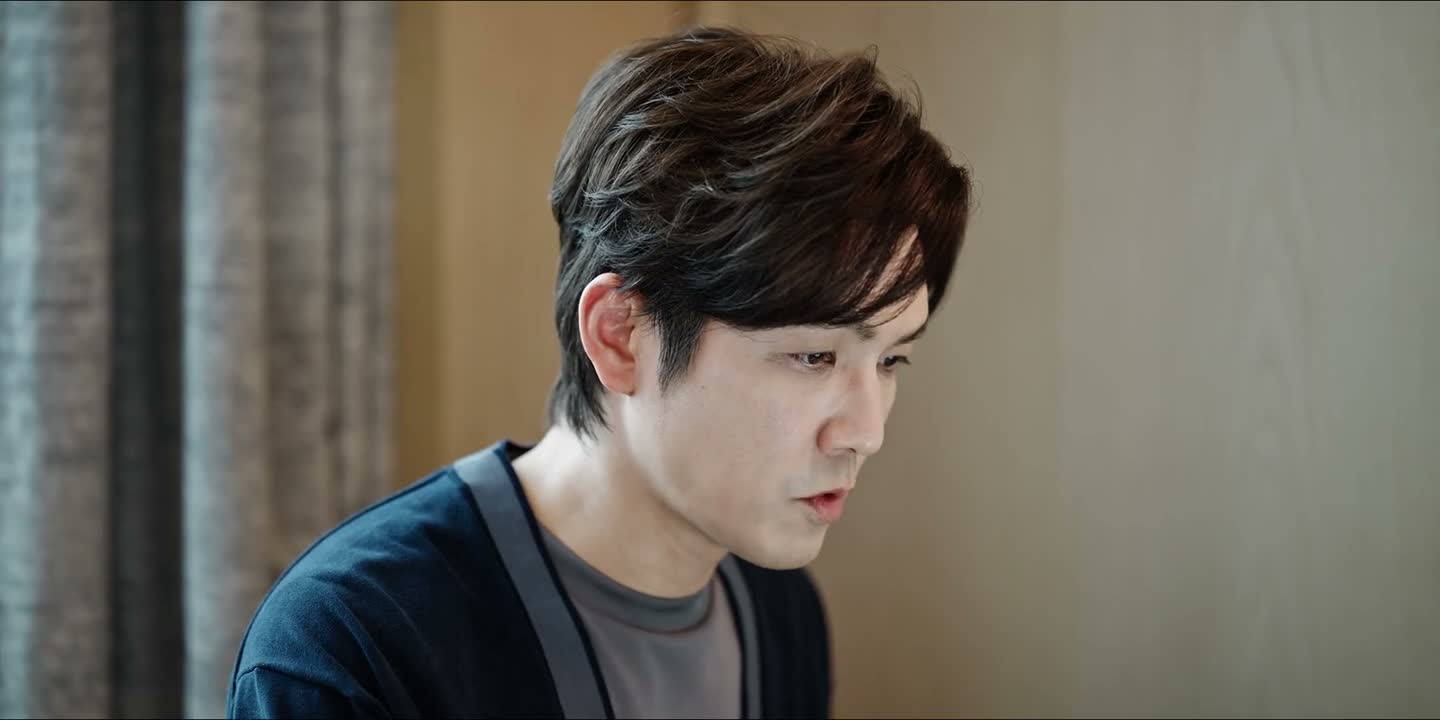
“Isn't your goal a bit too small?”

“Maybe he thinks you're weaker than you look.”

“In the end, I still failed your expectations.”

“you'd be punching way above your weight.”

“Honestly, I don't ask for much.”