这有点太 太奇怪了吧
“That's way too unusual.”
THE DIALOGUE REEL
没坐过高铁 没坐过火车
“high-speed rail, or trains.”
这有点 太 太奇怪了 吧
“That's way too unusual.”
“This feels way too shady to be true; something is definitely not adding up.”
High-speed rail (gaotie) is extraordinarily widespread across China and has become the default mode of intercity transport. For a contemporary adult to have 'never ridden high-speed rail or regular trains' is extremely rare in modern China, easily raising doubts about the authenticity of their identity or background.
LEARNING CHUNKS & PARTICLES
a bit too...; isn't it a little too...
Commonly used in spoken Chinese to express mild doubt, dissatisfaction, or incredulity regarding an excessive situation; adds a consultative, softening tone compared to simply saying 'tai... le'.
thinking over and over; pondering back and forth
A high-frequency colloquial reduplicated verb phrase used to introduce a question or conclusion reached after repeated contemplation.
Placed at sentence end to express conjecture, consultation, or to seek agreement, softening the bluntness of questioning.
VOCABULARY & EXPRESSIONS
Parallel Spoken Cinema Scenes (语义近邻切片)
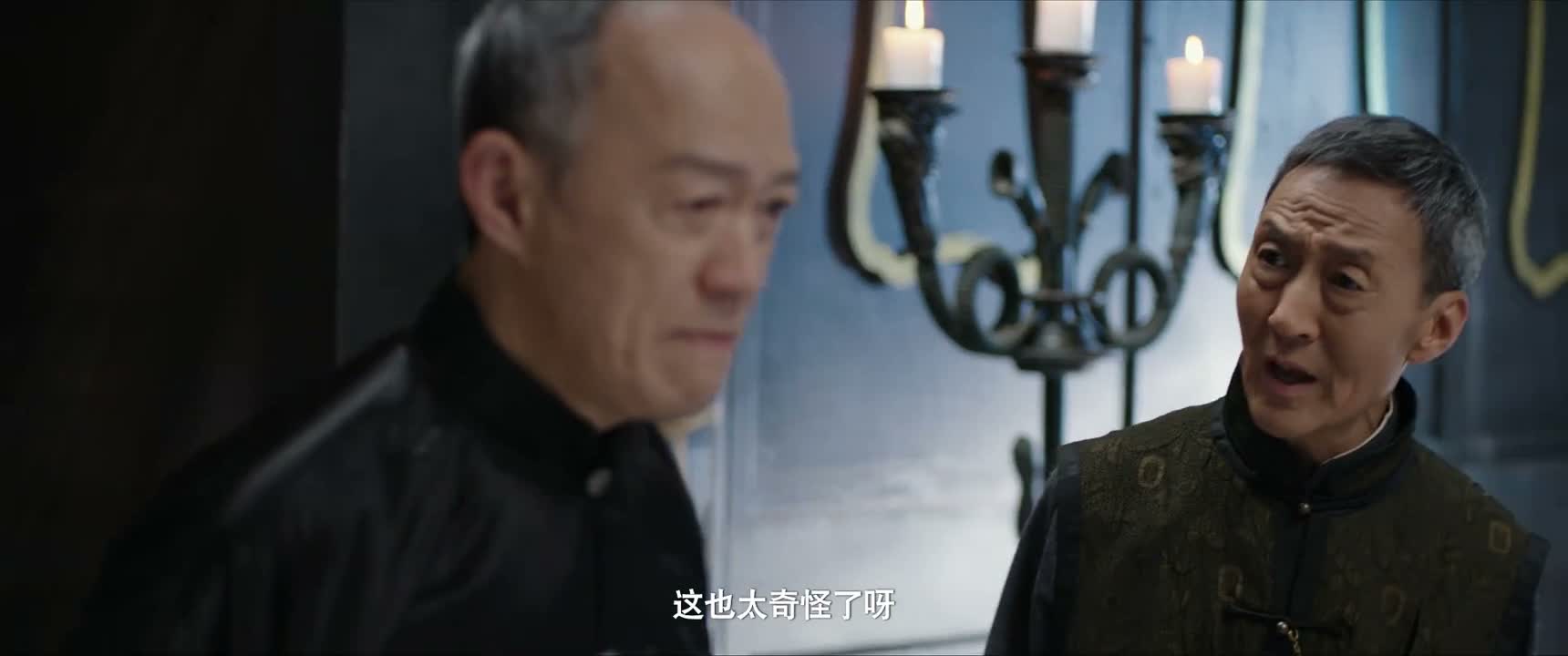
“that is just too strange.”

“It's just too strange.”

“Even for a close friend, that's pretty weird.”

“but this is a bit much.”

“you're really something else.”