吴达栽 栽赃嫁祸给我
“Wu Da framed me.”
THE DIALOGUE REEL
“If it weren't for your keen observation, could the case be solved?”
吴达栽 栽赃嫁祸 给我
“Wu Da framed me.”
“And you solved the case and brought justice for Xiaole.”
“Wu Da framed me, but thankfully you saw through it and proved my innocence.”
In Chinese legal culture and police procedural contexts, individuals who are falsely accused often feel deep respect and gratitude toward law enforcement officers who clear their names and 'uphold justice' for the victims.
LEARNING CHUNKS & PARTICLES
To frame someone or shift blame onto an innocent person.
A common four-character idiom used in both spoken and written Chinese. It often serves as a predicate or object, frequently paired with the preposition 'gei' (e.g., 'zai zang jia huo gei someone', meaning 'to frame someone').
VOCABULARY & EXPRESSIONS
Parallel Spoken Cinema Scenes (语义近邻切片)

“Wu Da really has no shame as a man.”

“Did Wu Da borrow money from you? Yes.”
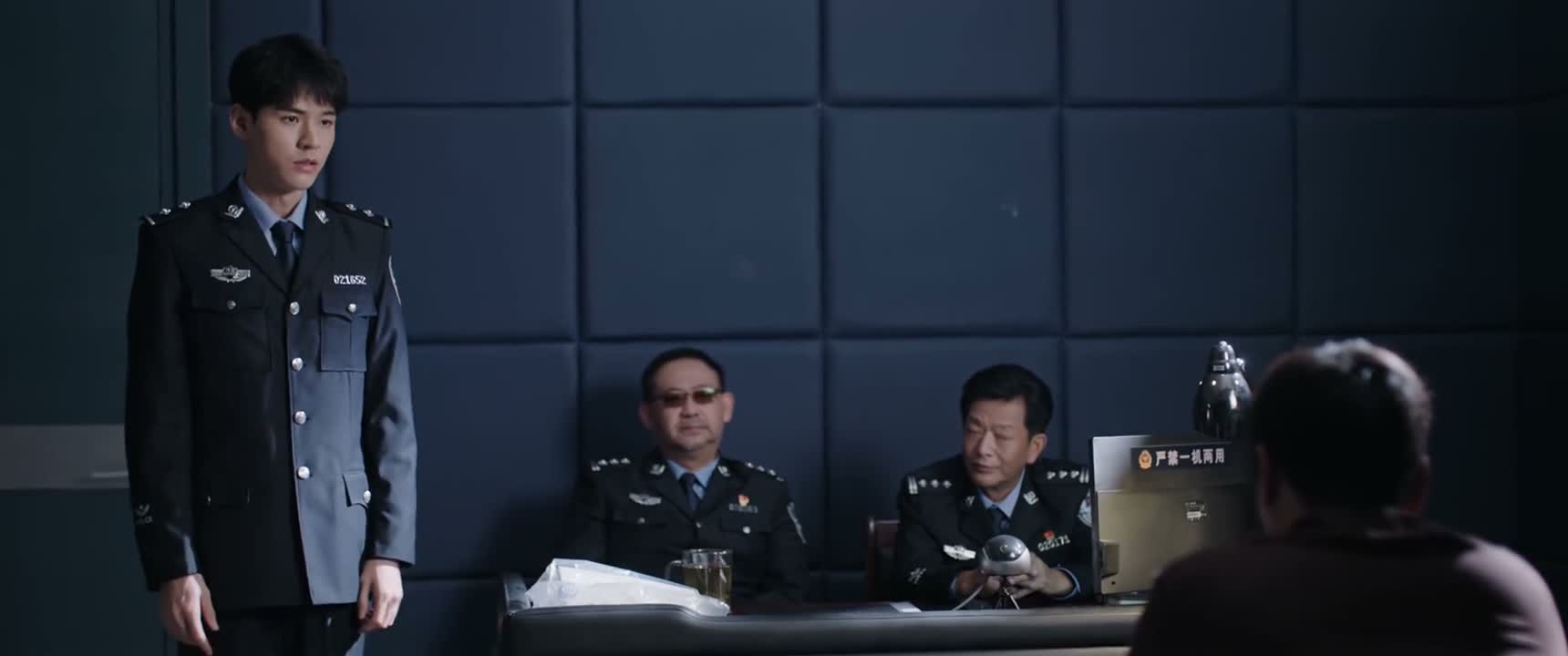
“You called Wu Da a deadbeat. What did you mean?”

“Why did I have to lend Wu Da the money to buy that apartment?”

“Sir? Kuo Ta-fu's wife died a year ago. Result of a miscarriage.”

“At first, Wu Da seemed like a decent boyfriend.”