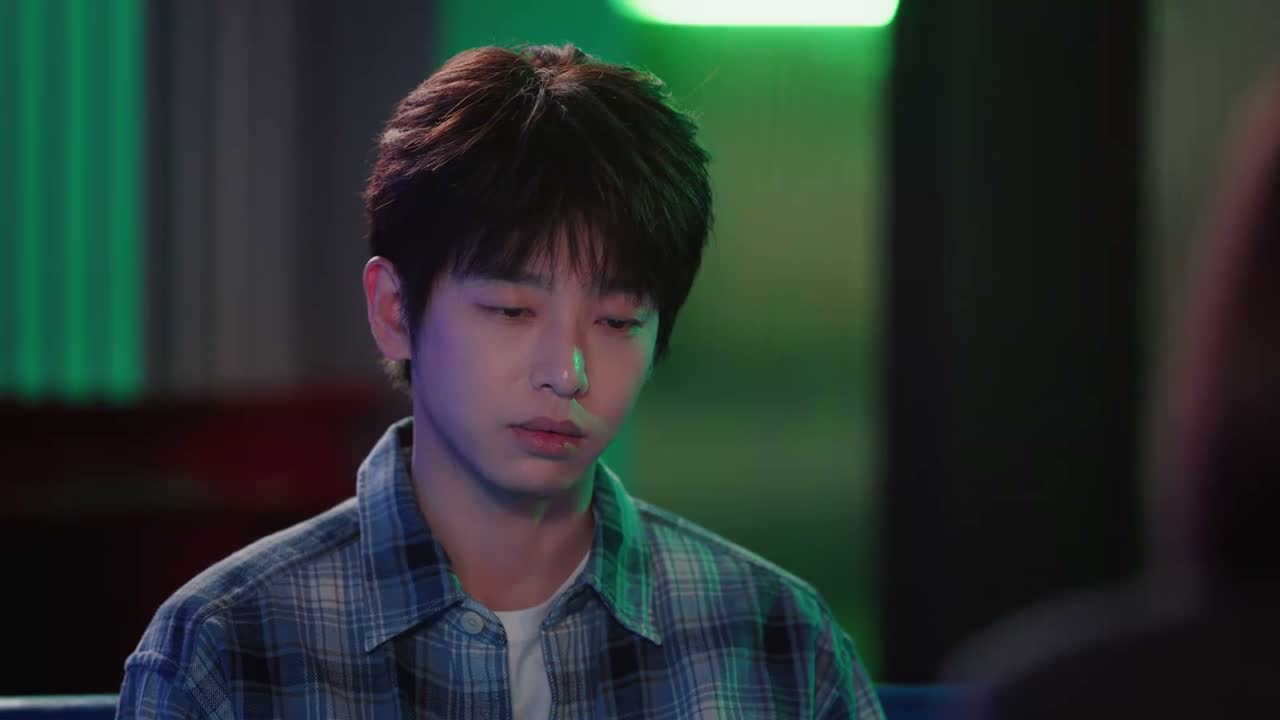
不是跌落悬崖后的咬牙坚持
“is not gritting your teeth after falling off a cliff, [But what I want most in the end] [is to win the championship with the guys] [Yu Ming]”
THE DIALOGUE REEL
人生最苦
“[Feng Suo] [Play football with the brothers] The greatest pain”
不是 跌落悬崖后的 咬牙坚持
“is not gritting your teeth after falling off a cliff, [But what I want most in the end] [is to win the championship with the guys] [Yu Ming]”
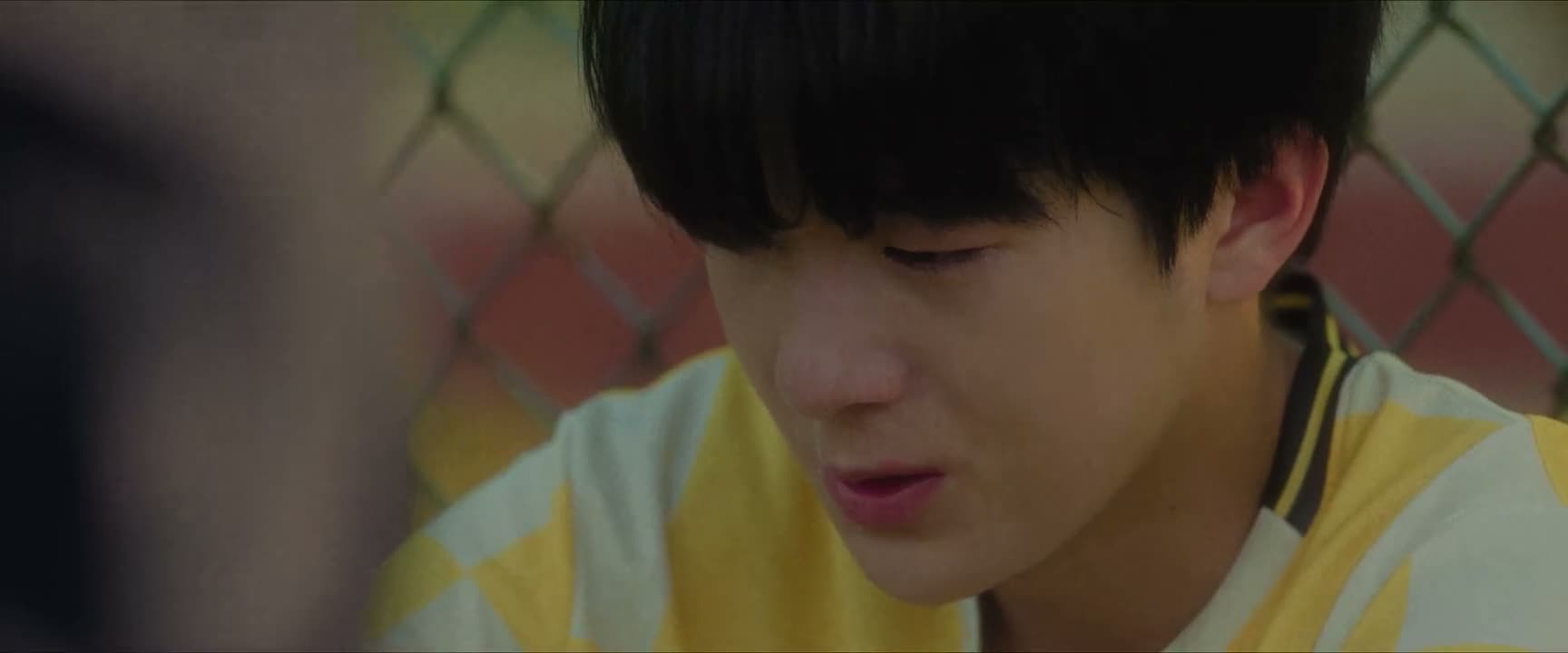
而是诘问自我后
“but facing yourself and [Win the championship] [Chen Jianghe]”
“Surviving rock bottom by sheer grit isn't what truly breaks a person; the real torment is what comes from questioning who you are deep down.”
Traditional Chinese culture emphasizes the endurance of 'chi de ku zhong ku' (enduring the bitterest hardships), but contemporary thought and literature lean more toward exploring internal existential crises and self-interrogation, regarding mental anguish and self-doubt as far more agonizing than mere physical suffering.
LEARNING CHUNKS & PARTICLES
to fall off a steep cliff; metaphorically, to plunge into extreme danger or hit rock bottom in life
Commonly used in written language or screen dialogue to describe suffering a devastating life blow.
to grit one's teeth and persevere; to endure immense pain or hardship and hold on desperately
A high-frequency idiomatic expression frequently used to encourage people to overcome adversity.
correlative conjunction pair meaning 'not... but rather...', used to negate the first point and affirm the second
A key sentence structure for intermediate-to-advanced learners, often used in logical reasoning and philosophical explanations.