继续让舆论帮你 让我难堪
“and used public opinion to help you and embarrass me?”
THE DIALOGUE REEL
钱菲 你很有手段啊 让人给你拍下视频
“Qian Fei, you've got quite some tactics, huh? You had someone film this video for you”
继续 让舆论帮你 让我难堪
“and used public opinion to help you and embarrass me?”
你很聪明
“You're very smart,”
“You think you can just weaponize public opinion to humiliate me and ruin my reputation.”
In contemporary Chinese online culture, posting videos to steer public opinion has become a common tactic for defending rights or exerting pressure during disputes. Meanwhile, making someone 'nan kan' (lose face / humiliated) strikes directly at 'mianzi' (face), which is deeply valued in Chinese culture, signifying a serious and hostile accusation.
LEARNING CHUNKS & PARTICLES
to embarrass someone; to put someone in an awkward position
A highly frequent causative structure in both spoken and written Chinese, often used to describe social awkwardness or hostile acts in interpersonal conflicts.
public opinion
Frequently paired with verbs in phrases such as 'li yong yu lun' (use public opinion), 'zhi zao yu lun' (manufacture public opinion), or 'yin fa she hui yu lun' (spark public discussion).
VOCABULARY & EXPRESSIONS
Parallel Spoken Cinema Scenes (语义近邻切片)

“How are you going to do with those trolls?”
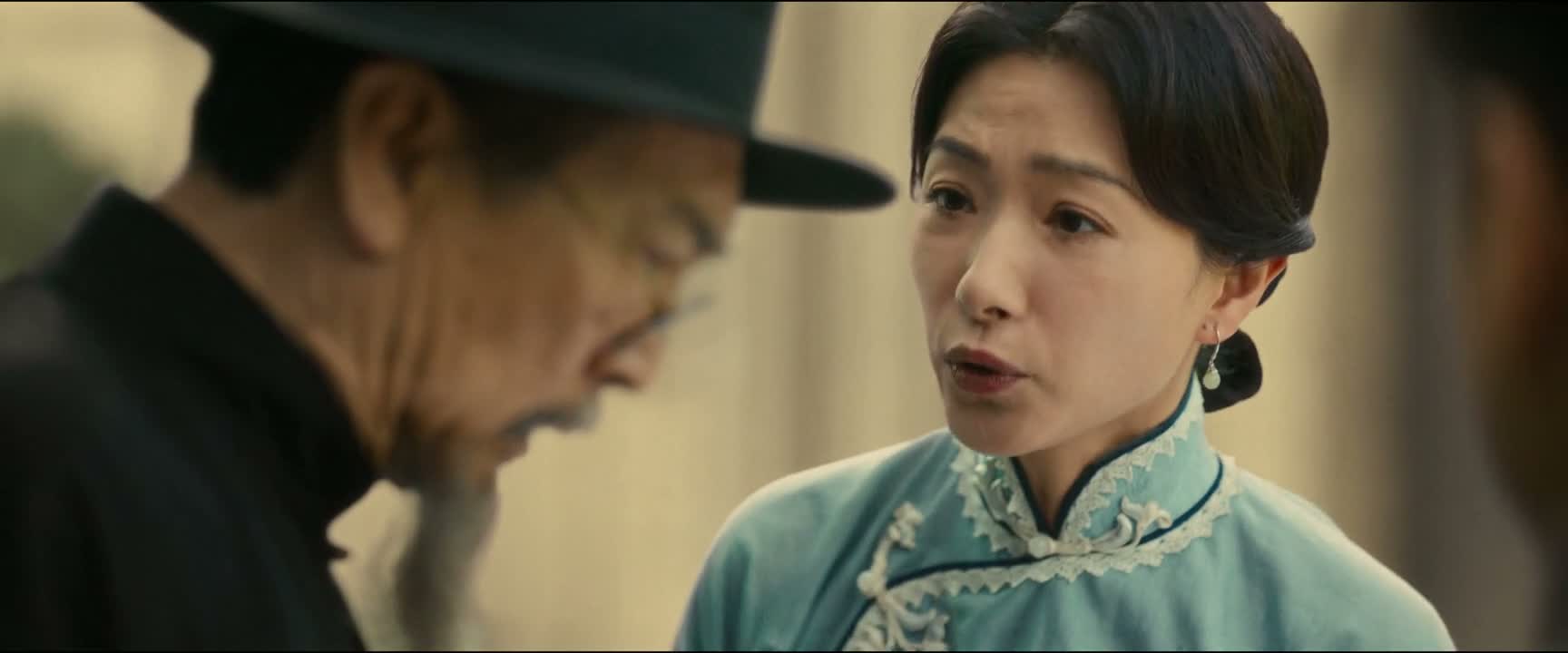
“Let's use the power of public opinion to clear Yunkui's name, okay? Yes.”

“But it got ruined by this wretched weather!”

“But if there's any more backlash, do not respond. Also, that part”

“Do you want us to keep shouting at each other?”

“Otherwise, once this public opinion storm dies down,”