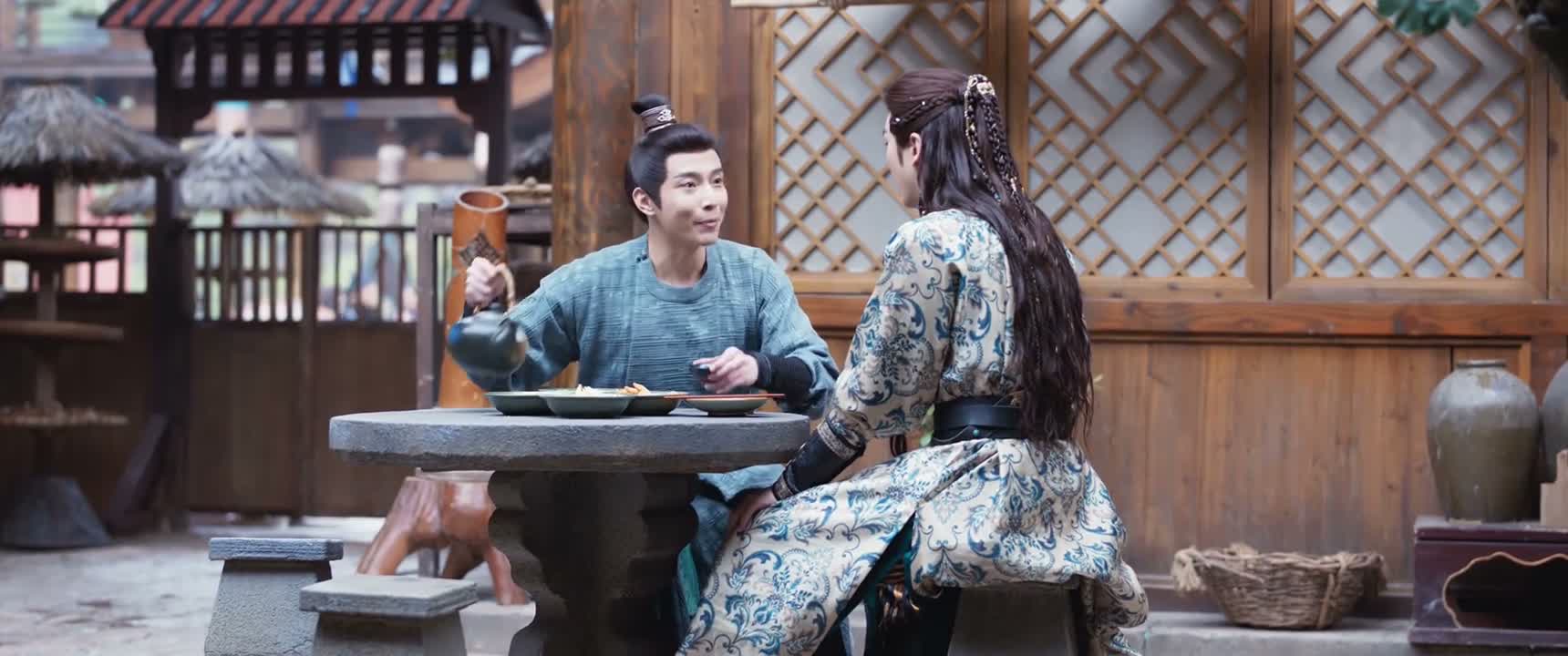
今天还没来得及好好谢谢你呢
“I haven't had a chance to properly thank you today.”
THE DIALOGUE REEL
对了
“Right.”
今天 还没来得及 好好谢谢你 呢
“I haven't had a chance to properly thank you today.”
谢我
“Thank me?”
“I really appreciate your help today, and I want to find a proper way to make it up to you.”
In Chinese social culture, verbally saying 'hao hao xie xie' (properly thank someone) usually implies more than just a simple 'thank you'; it typically conveys an intent to reciprocate later through concrete social gestures, such as treating the person to a meal or giving a small gift.
LEARNING CHUNKS & PARTICLES
indicates not having had the time or opportunity to do something yet due to being busy or rushed
A high-frequency spoken pattern commonly used for polite pleasantries, explanations, or supplementary remarks about things left undone.
to earnestly and formally express gratitude (often implying treating someone or giving a gift)
'hao hao' modifies verbs to indicate thoroughness or an earnest attitude, frequently used in polite interpersonal communication.
Used at the end of a sentence to provide a gentle reminder, convey an ongoing state, and add a warm, friendly tone that softens the statement.
VOCABULARY & EXPRESSIONS
Parallel Spoken Cinema Scenes (语义近邻切片)

“I must thank you instead.”
“I never properly thanked you.”

“I haven't had a chance to thank you yet.”