就放我这只野鹤归山吧
“Let me go for a free life.”
THE DIALOGUE REEL
在一个地方待久了 骨头都软了 师妹
“If I stay in one place too long, my bones get soft. Li.”
就放我这只 野鹤归山 吧
“Let me go for a free life.”
那师兄走后
“After you leave,”
“Please just let me go and live freely without any worldly ties.”
'Shixiong' and 'shimei' (senior martial brother / junior martial sister) reflect traditional master-disciple brotherhood relationships. In traditional Chinese culture, 'ye he' (wild crane) and 'gui shan' (returning to the mountains) often symbolize retreating from the martial world (jianghu) and renouncing fame and wealth, reflecting a Daoist cultural ethos of pursuing spiritual freedom and seclusion.
LEARNING CHUNKS & PARTICLES
To release someone or something back into nature or the mountains; metaphorically means setting someone free or letting them go.
Used in spoken or written language, adapted from idioms like 'fang hu gui shan' (release a tiger back to the hills) or 'xian yun ye he' (idle clouds and wild cranes); here it expresses a longing to return to an unconstrained, peaceful life.
A metaphor for an unconstrained hermit or a free, carefree person living detached from worldly affairs.
Often used in self-deprecation or to describe a mindset that yearns for peaceful reclusion, unwilling to be bound by conventional rules, fame, or fortune.
Placed at the end of an imperative sentence to soften the tone, conveying polite negotiation and pleading with the listener to grant one's request.
VOCABULARY & EXPRESSIONS
Parallel Spoken Cinema Scenes (语义近邻切片)
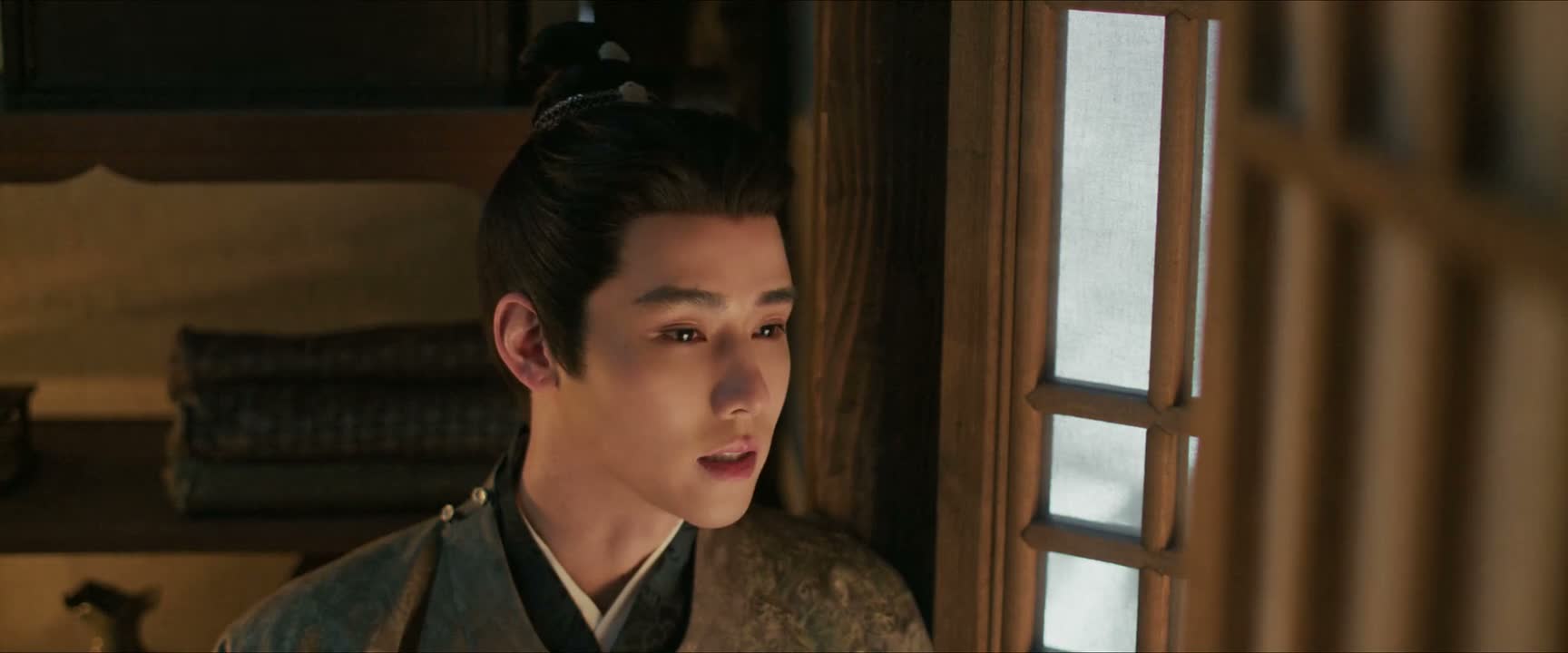
“carefree life like a drifting cloud.”

“yet here you are, living like a recluse.”

“Raised herding sheep, now she looks like one.”
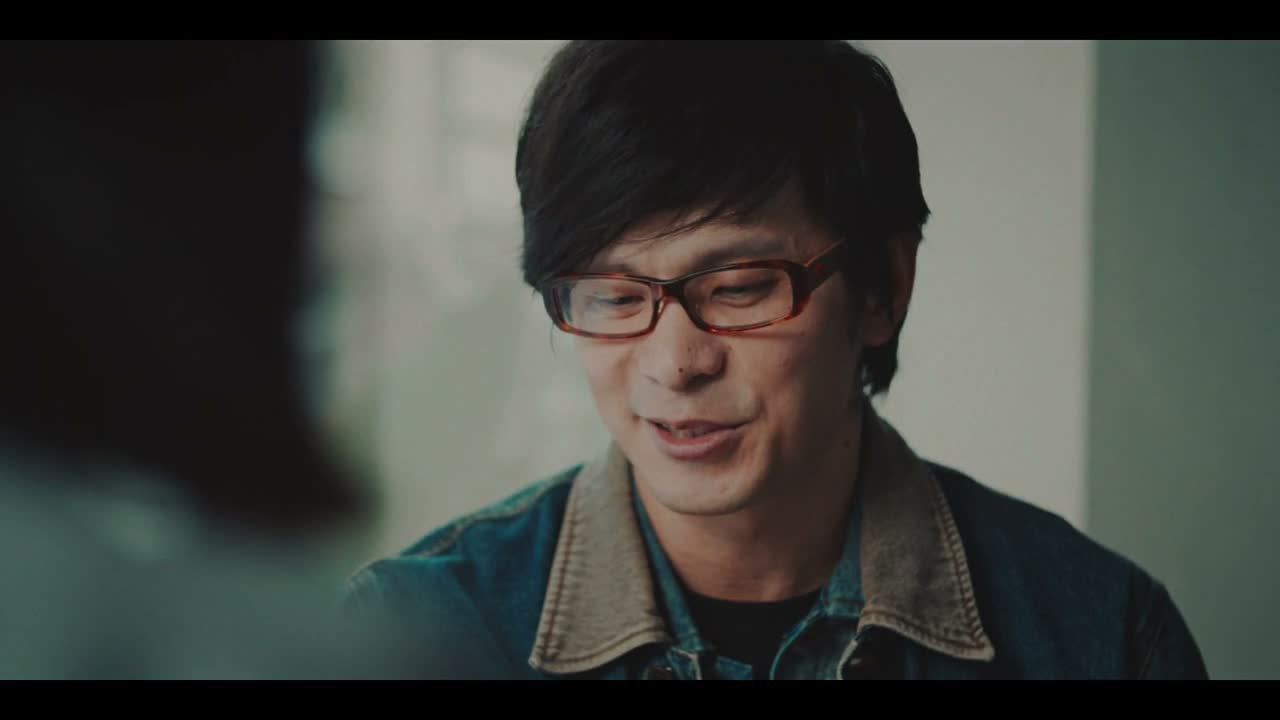
“getting stood up today”
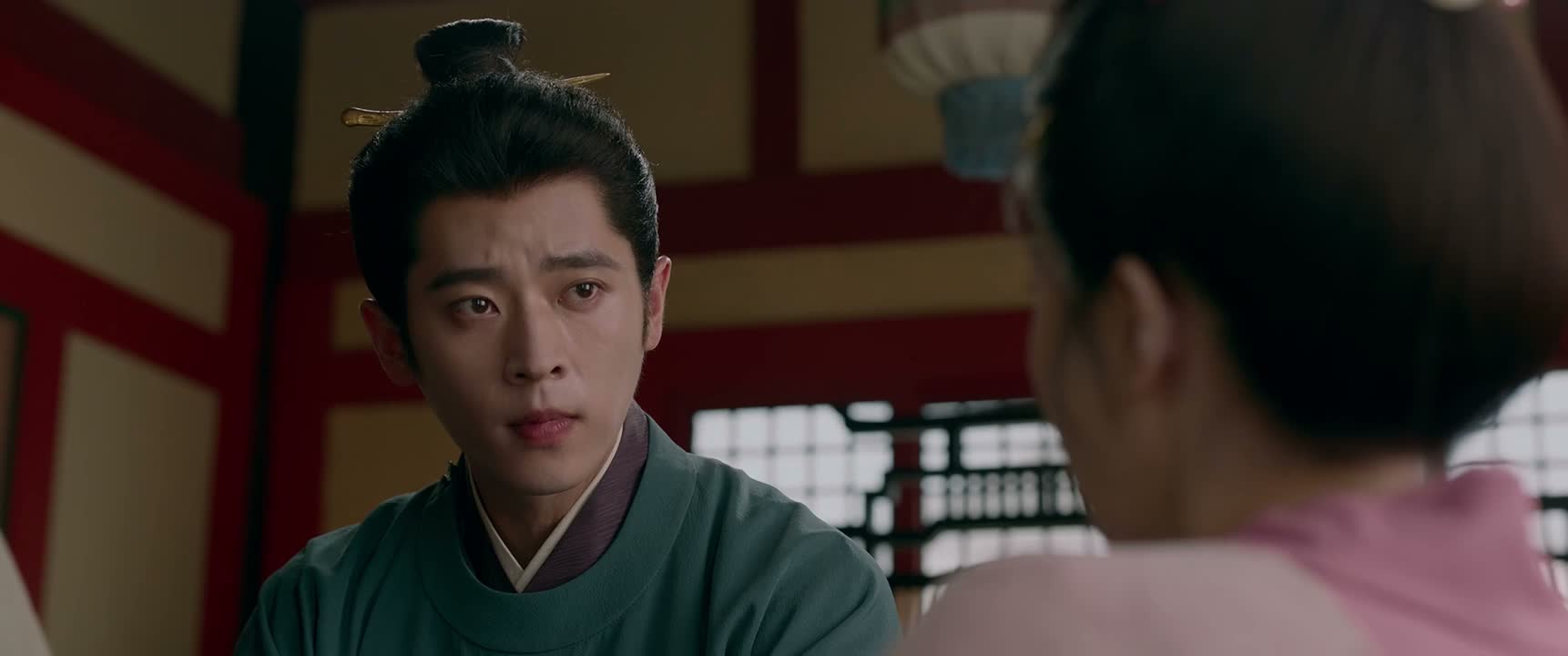
“Master Helai on Lishan Mountain is a renowned master physician.”
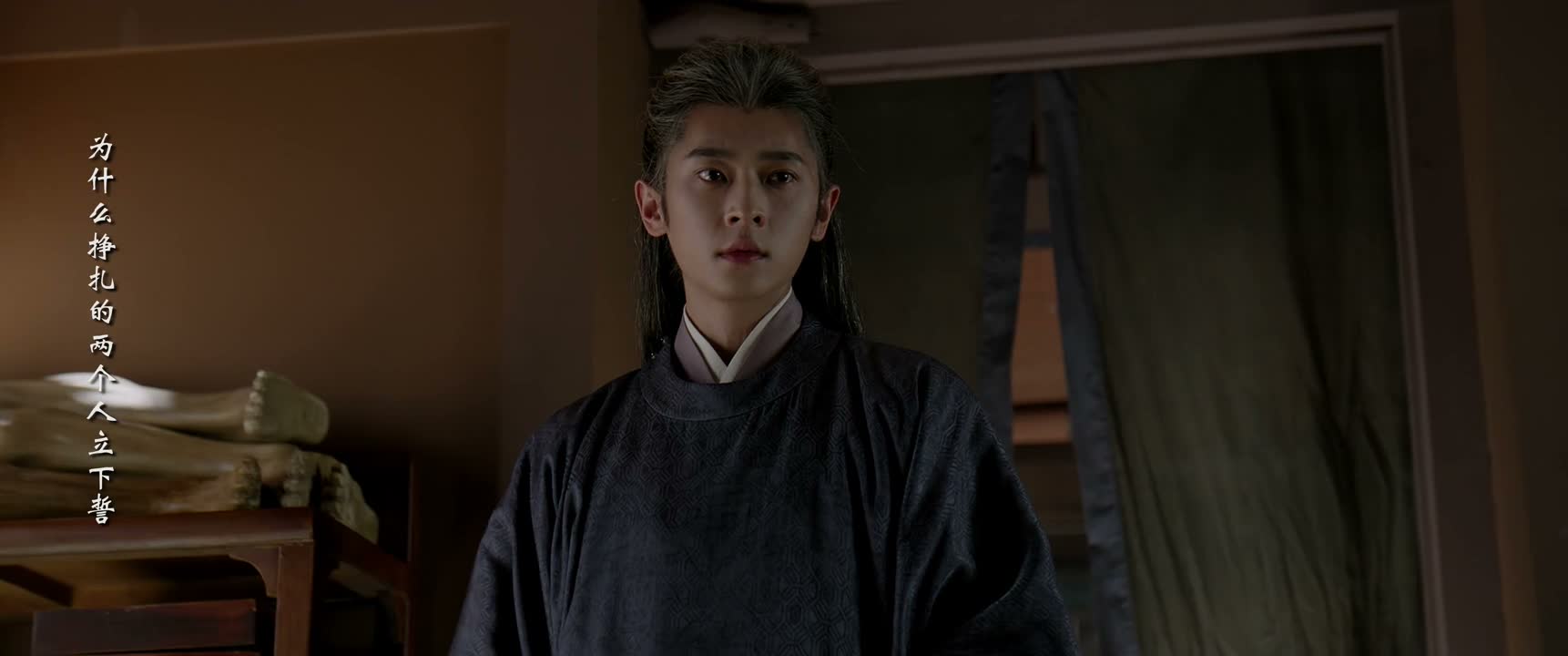
“(Master Helai from Lishan) (is a renowned master physician.)”