你有罪于天下苍生
“(I believe you're guilty to all the people.)”
THE DIALOGUE REEL
作为皇帝
“(As an emperor,)”
你 有罪于天下苍生
“(I believe you're guilty to all the people.)”
朕代表国法
“(I represent the law.)”
“You have committed unforgivable crimes against all the people of this land, and your doom is morally and legally sealed.”
Ancient Chinese political philosophy emphasized that 'the people are of supreme importance, the state comes next, and the ruler counts least' ('min wei gui, she ji ci zhi, jun wei qing'). The emperor was revered as the 'Son of Heaven', whose political legitimacy derived from adhering to the will of Heaven and protecting the populace. To be 'guilty toward all the people under heaven' signified a total forfeiture of the moral mandate to rule.
LEARNING CHUNKS & PARTICLES
all the common people throughout the realm; the masses
A highly formal literary term commonly heard in historical costume dramas, used by monarchs, ministers, or heroic figures to voice concern for the people's welfare or to make grave political accusations.
to be guilty toward...; to have committed crimes against...
A classical Chinese inverted prepositional construction preserved in solemn modern registers; it introduces the aggrieved party and conveys an earnest, grave tone.
VOCABULARY & EXPRESSIONS
Parallel Spoken Cinema Scenes (语义近邻切片)

“For the people of the world,”

“We respect what you've done for all living things,”
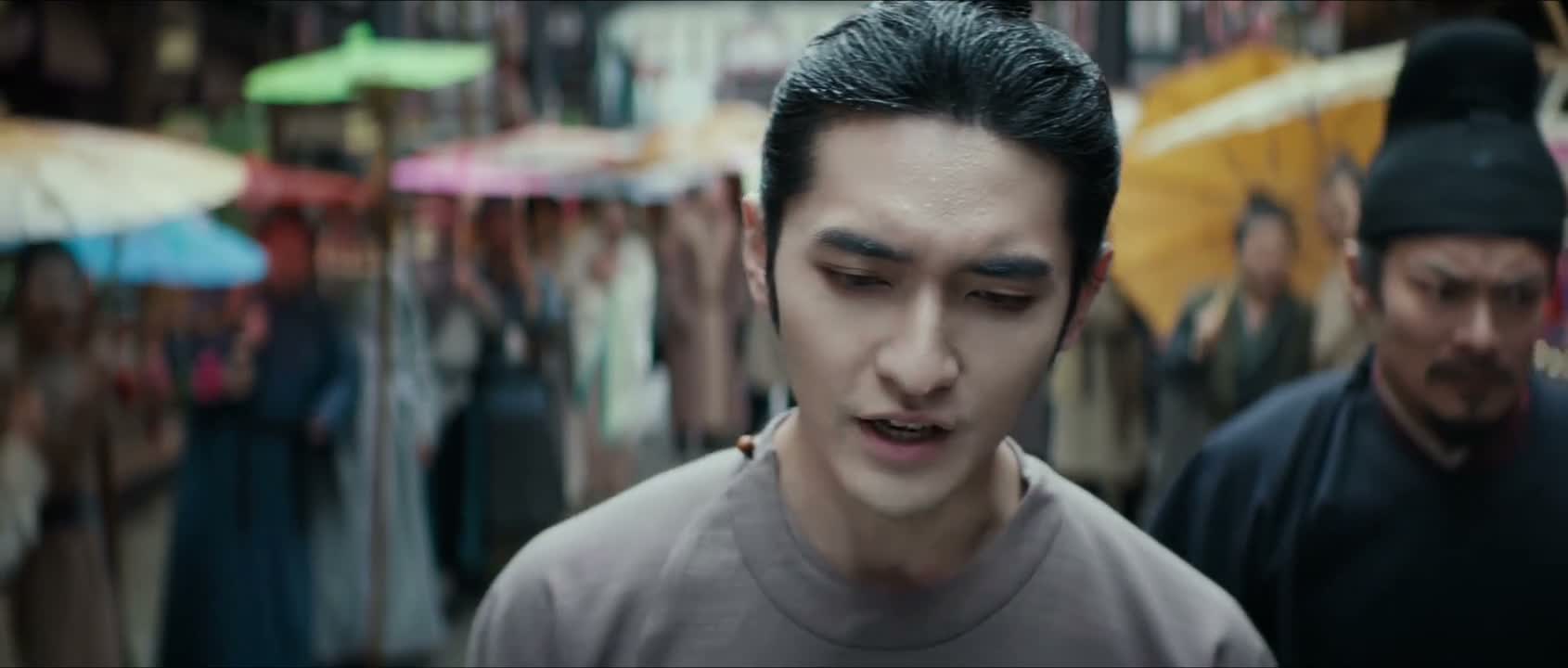
“my crimes are unforgivable.”

“I'm guilty.”
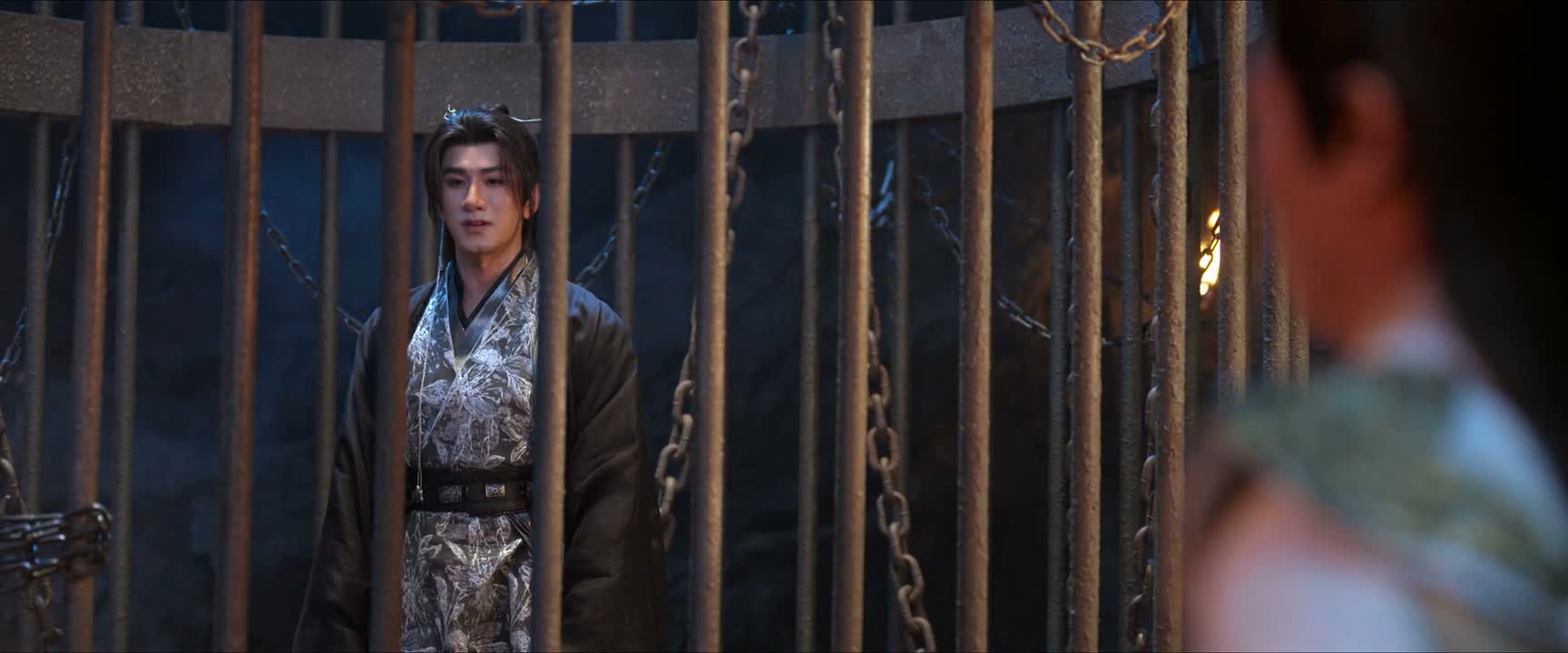
“they must protect all living beings under heaven.”
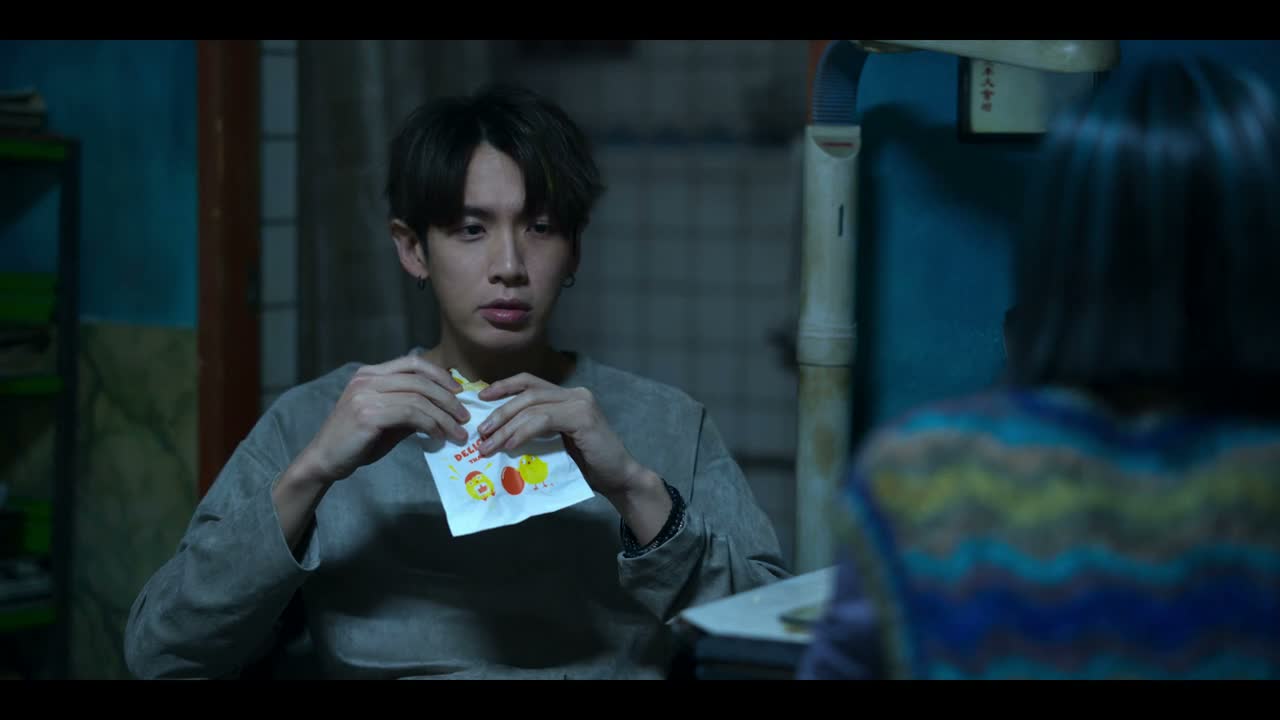
“so I may atone for my sins.”