MC
MandarinClips Cinema Corpus
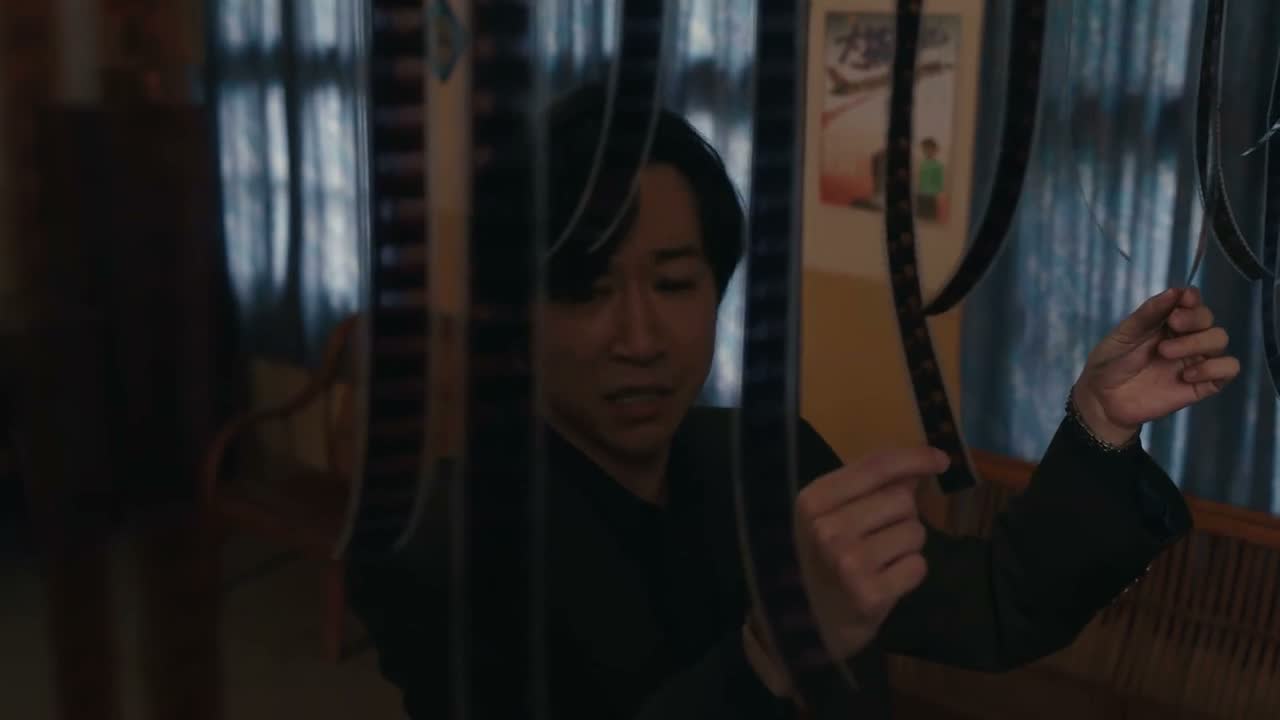
《The Lead》 S1·E18 (17:04) HSK 4
huó yìng qì diǎn xíng bù xíng

活硬气点 行不行

“Live with some backbone, okay?”

《The Lead》 S1·E18
TIMECODE: 17:04 · 1080P MASTER AUDIO

THE DIALOGUE REEL

1+1+1 SPOKEN CONTINUITY
[-1] PREVIOUS TURN bǎ yāo tǐng qǐ lái nǐ xué xué wǒ

“Straighten up. Learn from me.”

huó yìng qì diǎn xíng bù xíng CURRENT FOCUS

活硬气点 行不行

“Live with some backbone, okay?”

[+1] FOLLOW-UP TURN yí gè zhū jì rú yìng le yòu néng zǎ

“What can one tough Zhu Jiru do?”

Subtitles synced to millisecond timecode Browse Show Clips →
Scene: Social & Dating
Function: ENCOURAGING AND URGING
Tone: SINCERE
Emotion: ANGER
WHAT THEY REALLY MEAN (PRAGMATIC SUBTEXT)
“Show some backbone and stand up for yourself, will you?”
💡 Cultural Insight: standing tall / living with backbone

Chinese culture places immense value on 'guqi' (backbone/unyielding spirit) and personal dignity. When facing power or adversity, compromising is often viewed as weakness. Encouraging someone to be 'yingqi' (tough/unyielding) is a way close friends urge each other to stand tall and maintain self-respect.

INTENT TAGS: #encouragement #urging #backbone #resistance
🧩

LEARNING CHUNKS & PARTICLES

2 CHUNKS · 0 PARTICLES
硬气 SPOKEN CHUNK

having backbone, unyielding, tough, or confident and assertive

A common colloquial adjective often paired with verbs, such as 'shuo hua ying qi' (speak assertively) or 'huo de ying qi' (live with dignity), expressing self-respect and refusal to be intimidated.

行不行 SPOKEN CHUNK

can you; will you; okay?

A tag question placed at the end of a sentence, used here with an urging, pleading, or slightly impatient tone to prompt someone into action.
🏮

VOCABULARY & EXPRESSIONS

2 EXPR · 0 GRAMMAR
CROSS-CINEMA CORPUS BOARD · PARALLEL SCENES

Parallel Spoken Cinema Scenes (语义近邻切片)

EXPLORE BY SEMANTIC SIMILARITY
《The Lead》 S1·E18 (17:04) · Authentic Cinema Dialogue Corpus