把腰挺起来 你学学我
“Straighten up. Learn from me.”
THE DIALOGUE REEL
你就说 行不行吧
“Just tell me, yes or no?”
把腰挺起来 你学学我
“Straighten up. Learn from me.”
“Hold your head high and show some backbone, just like me.”
In traditional Chinese culture, 'ting yao' (straightening one's back) symbolizes having backbone, self-respect, and showing neither servility nor arrogance. Paired with 'huo ying qi dian' (living with backbone), it reflects the cultural value placed on personal dignity, resilience, and refusing to shrink back from difficulties.
LEARNING CHUNKS & PARTICLES
straighten one's back; figuratively, have backbone and be confident
Can refer literally to physical posture or colloquially as a metaphor for regaining confidence and self-respect.
learn from me; take me as an example
Used colloquially to urge others to emulate one's approach or attitude, often delivered with confidence or mild boastfulness.
VOCABULARY & EXPRESSIONS
Parallel Spoken Cinema Scenes (语义近邻切片)

“Stand straight in life.”

“I want to live with my head held high!”
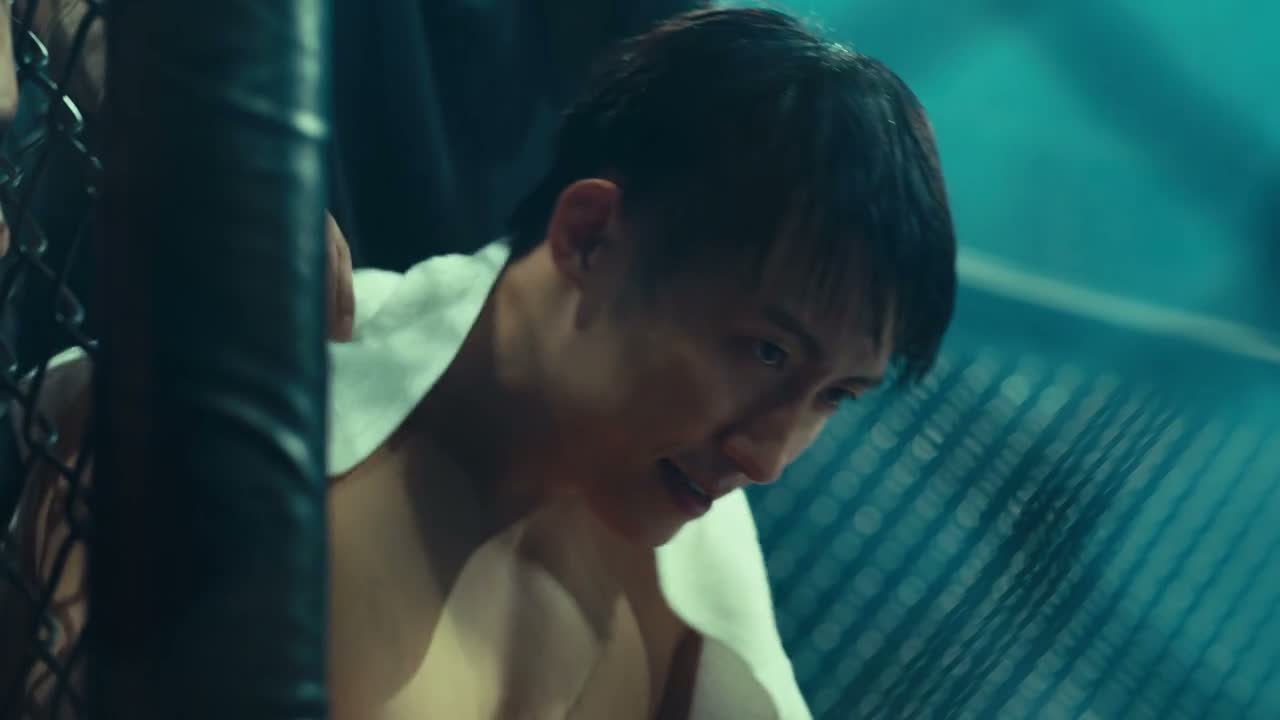
“and the chance to stand tall from now on.”
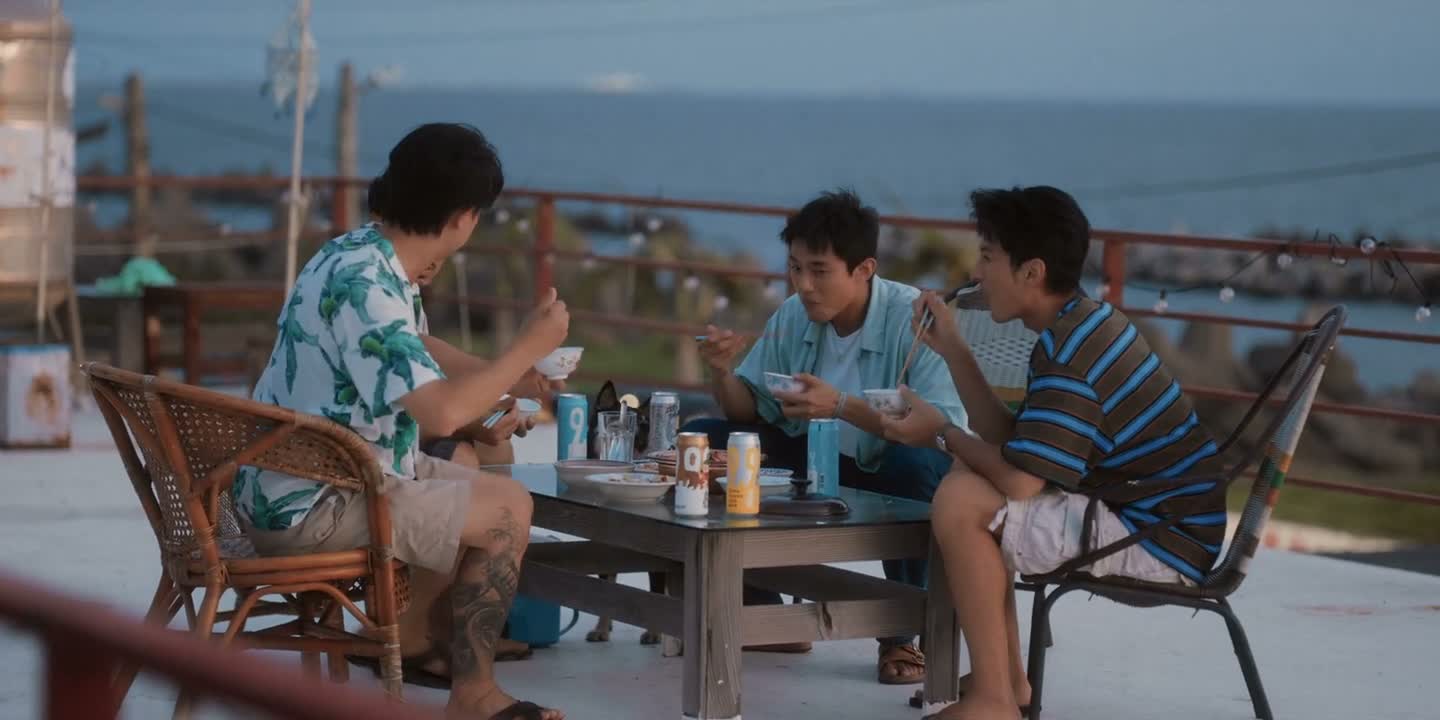
“How? Stand up and show me.”

“we'll never be able to hold our heads high. But... Don't be afraid.”
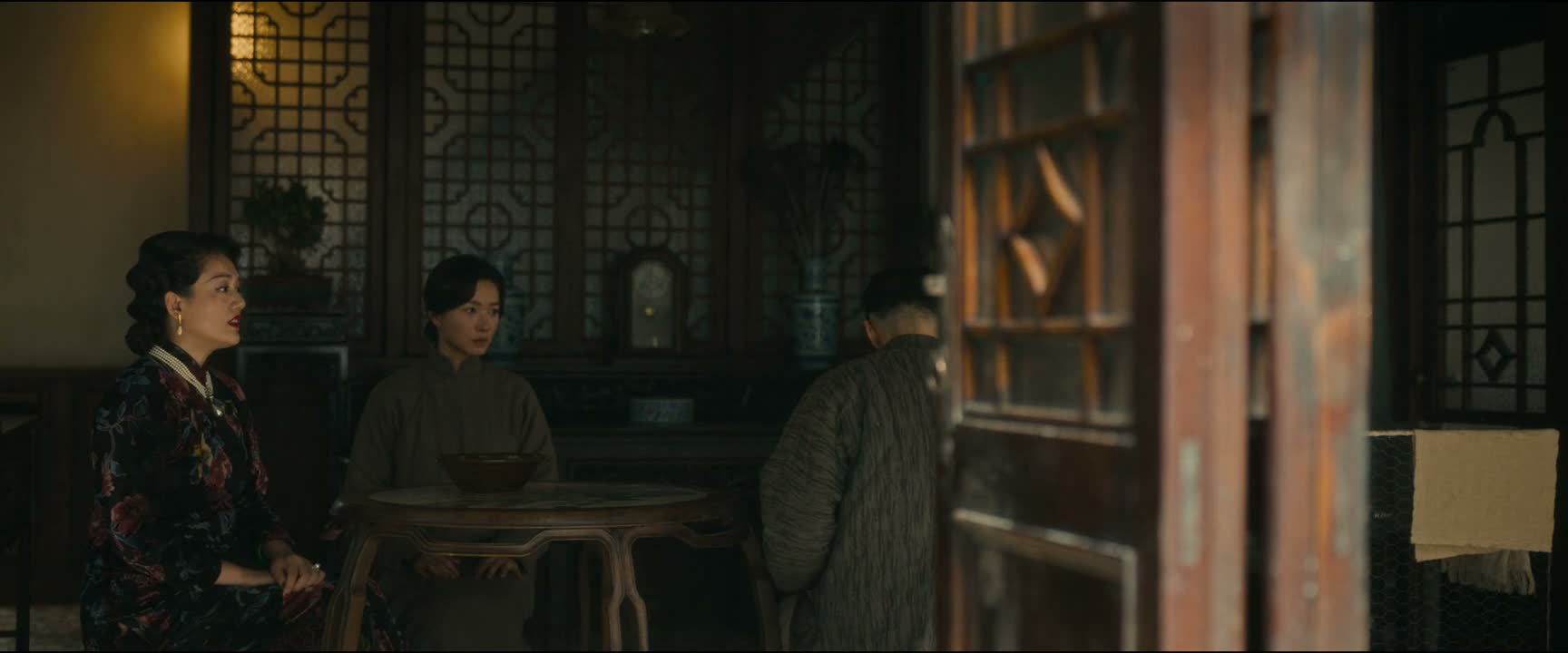
“Straighten your back, and act like a man.”