那到底 到底娃能不能唱嘛
“So, can the kid sing or not?”
THE DIALOGUE REEL
我觉得何大锤不相信娃能唱
“I think He Dachui doubts the kid can sing.”
那 到底 到底 娃 能不能 唱嘛
“So, can the kid sing or not?”
不是能不能
“It's not about whether she can.”
“Stop beating around the bush—just tell me, can the kid sing or not?”
An affectionate colloquial term for a child, kid, or offspring in northern, central, and western Chinese dialects, widely used in spoken language.
LEARNING CHUNKS & PARTICLES
in the end, can one or not / whether someone can actually do something
Combines the adverb 'daodi' (on earth / in the end) with an affirmative-negative question pattern, often used to urge the listener for a definitive answer with an impatient tone.
Used at the end of a sentence to indicate obviousness, urging, or justification; here it intensifies the urging and impatient tone of the question.
VOCABULARY & EXPRESSIONS
Parallel Spoken Cinema Scenes (语义近邻切片)

“how can the kid perform later?”

“Even if you really quit, so what?”

“That just shows he has a good heart.”

“can you sing all day?”
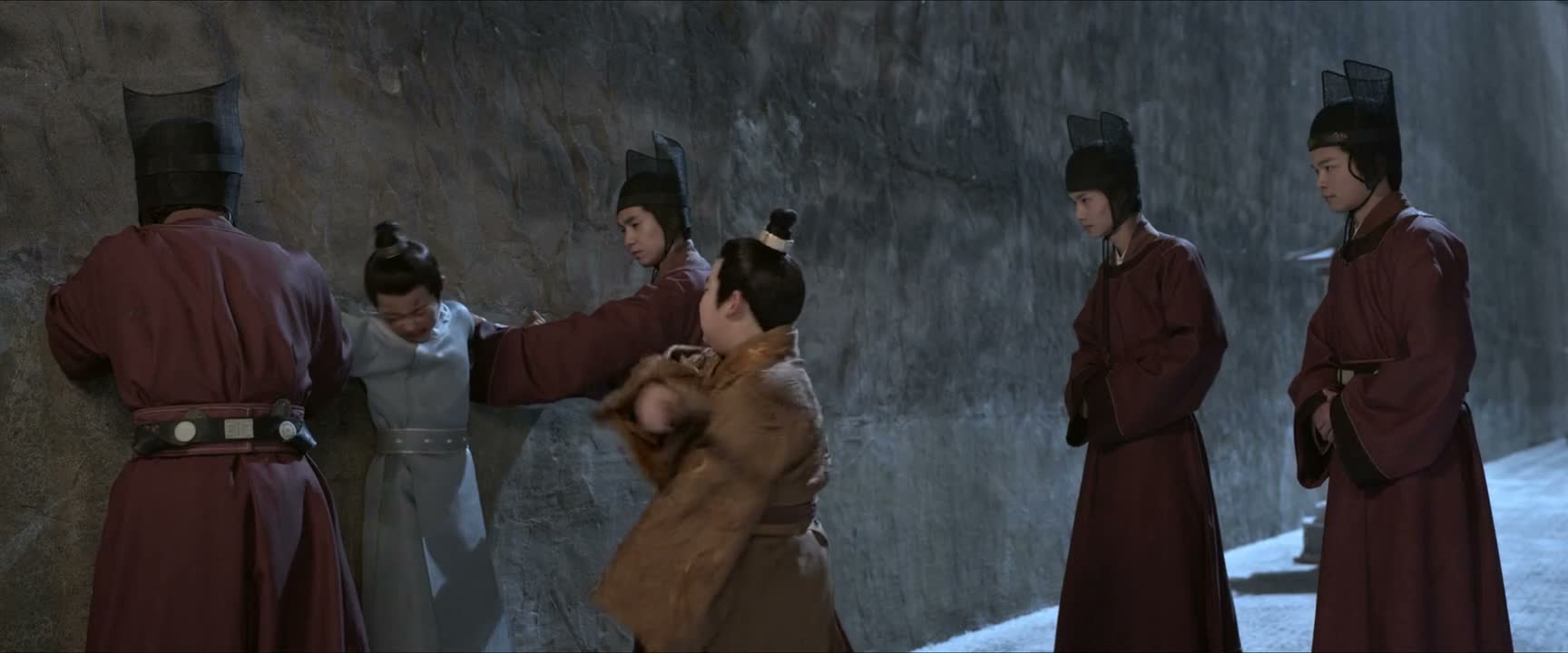
“Will you sing or not? Will you sing or not?”
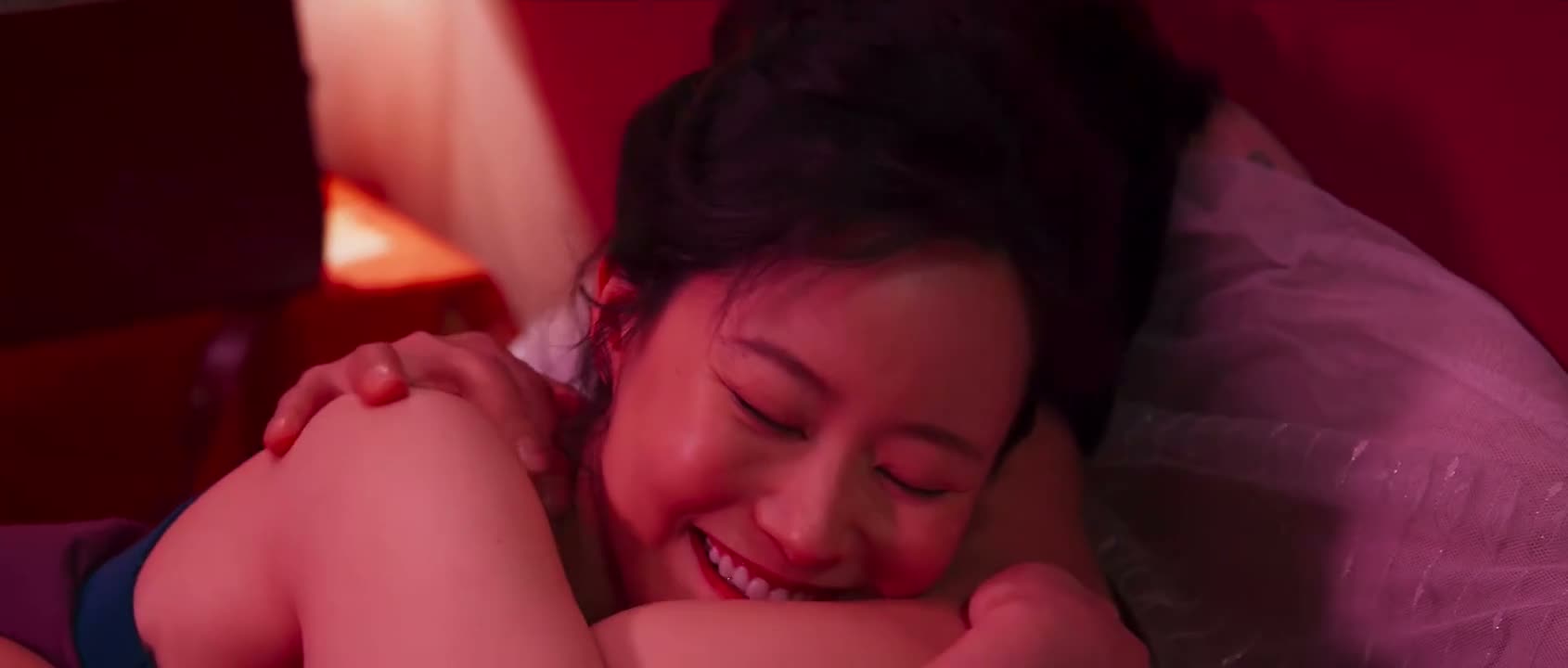
“I'm finally having a baby.”