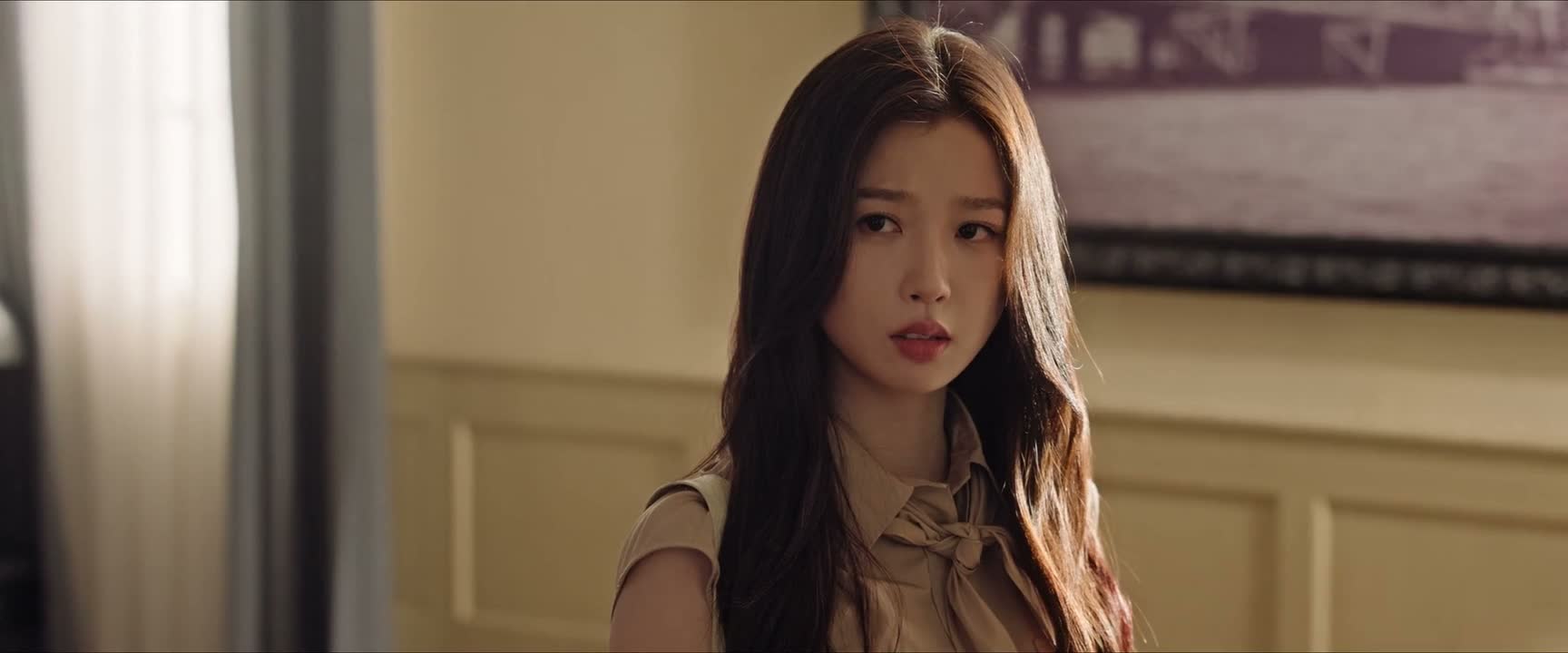
到底是谁的土地
“Whose land do you think you're standing on?”
THE DIALOGUE REEL
成本比较低 可你也要识实务 这到底是谁的家
“by accommodating you. But you should know when to adapt to circumstances. Whose house do you think this is?”
到底是谁的 土地
“Whose land do you think you're standing on?”
“Open your eyes and look around.”
“Figure out who really owns this place and who has the final say here.”
In Chinese contexts, particularly within crime, business rivalries, or demolition conflicts, emphasizing 'whose home' or 'whose land' typically signifies establishing spheres of influence and absolute control, functioning as aggressive rhetoric meant to intimidate.
LEARNING CHUNKS & PARTICLES
who it actually belongs to
Often used in questioning, arguing, or claiming ownership to intensify a confrontational and demanding tone.
to recognize current trends and be realistic
Derived from the idiom 'shi shi wu zhe wei jun jie' (meaning a wise person yields to circumstance), it is often used in spoken language to warn or urge someone to submit to the situation.