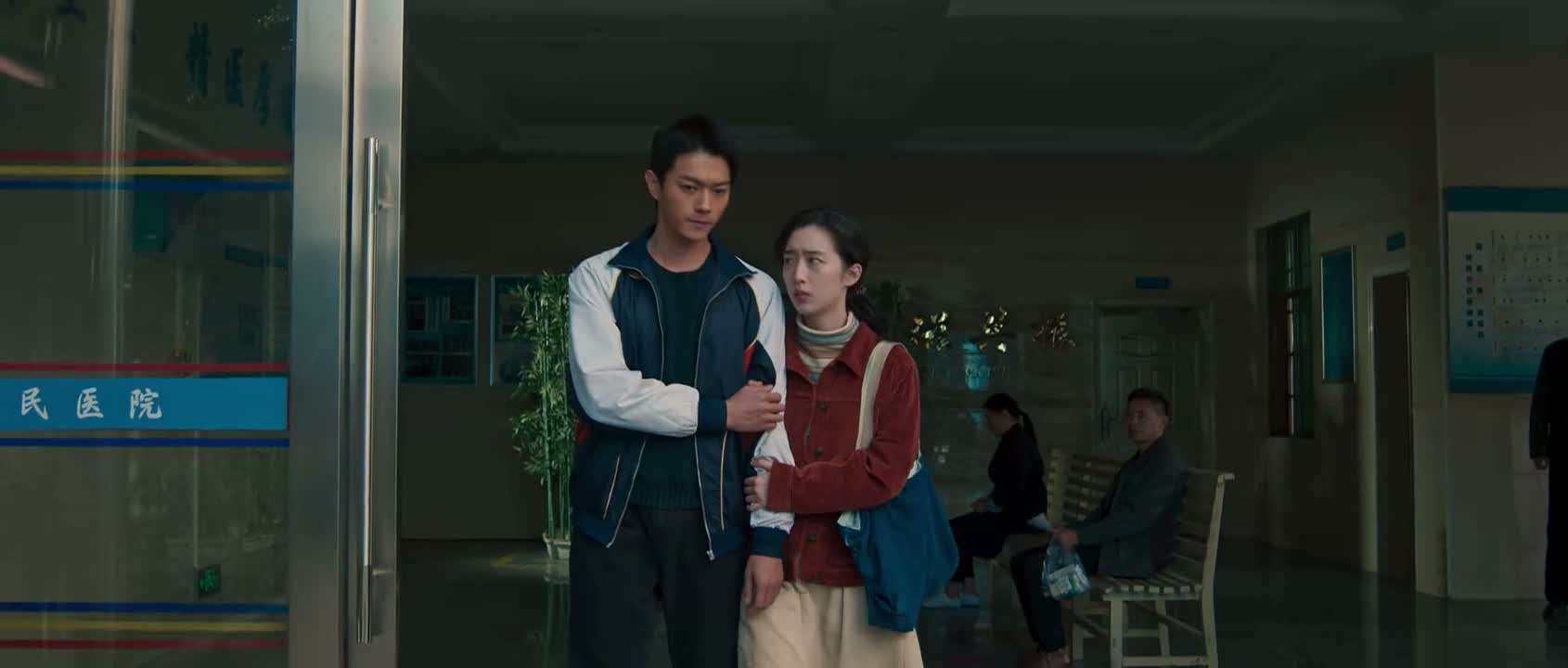
你应该提前跟我说一声的
“You should've given me a heads-up first.”
THE DIALOGUE REEL
那个 你别介意
“Please don't mind it.”
你应该 提前跟我说一声 的
“You should've given me a heads-up first.”
没关系啊
“It's fine, really.”
“You caught me off guard and I'm a bit annoyed you didn't give me a heads-up.”
In Chinese interpersonal etiquette, when dealing with shared matters or unexpected changes, giving a heads-up in advance shows respect and consideration for the other party's face and schedule. Failing to inform someone beforehand is often viewed as impolite or dismissive.
LEARNING CHUNKS & PARTICLES
to give a heads-up or notify in advance
A very common colloquial pattern used in interpersonal communication to request prior notice or a heads-up, such as 'tiqian shuo yisheng' (say something in advance) or 'tiqian da sheng zhaohu' (give a heads-up beforehand).
should have done something (implying it was not actually done)
Commonly used in hindsight to express regret, mild reproach, or to point out an expected obligation.
Placed at the end of a sentence to emphasize a fact, truth, or certainty, reinforcing the retrospective reproach that 'this is how it should have been'.
VOCABULARY & EXPRESSIONS
Parallel Spoken Cinema Scenes (语义近邻切片)

“at least tell me in advance.”
“You didn't even tell me in advance.”

“you should've at least told us beforehand.”