人家姑娘让你松手没听见啊
“Didn't you hear her? She said let go.”
THE DIALOGUE REEL
撒手呀你
“Let go of me!”
人家 姑娘 让 你 松手 没听见啊
“Didn't you hear her? She said let go.”
“Even being a jerk, you gotta wait your turn.”
“Back off and let her go right now, or you're gonna have a problem with me.”
'renjia' refers to a third party outside of the speaker and listener, carrying a protective nuance implying 'she is an innocent young woman'; in situations of standing up for justice, it emphasizes the impropriety of the man harassing the woman.
LEARNING CHUNKS & PARTICLES
Didn't you hear? (rhetorical question urging immediate action)
Used colloquially to question someone who is feigning ignorance or stalling, carrying a strong tone of reprimand and intimidation.
let go / release one's grip
An everyday action verb, frequently used as an imperative during physical struggles, harassment, or disputes.
Placed at the end of a sentence to intensify a rhetorical question, expressing confrontation and impatience.
VOCABULARY & EXPRESSIONS
Parallel Spoken Cinema Scenes (语义近邻切片)

“Listen. Mother isn't leaving. Let go, will you?”
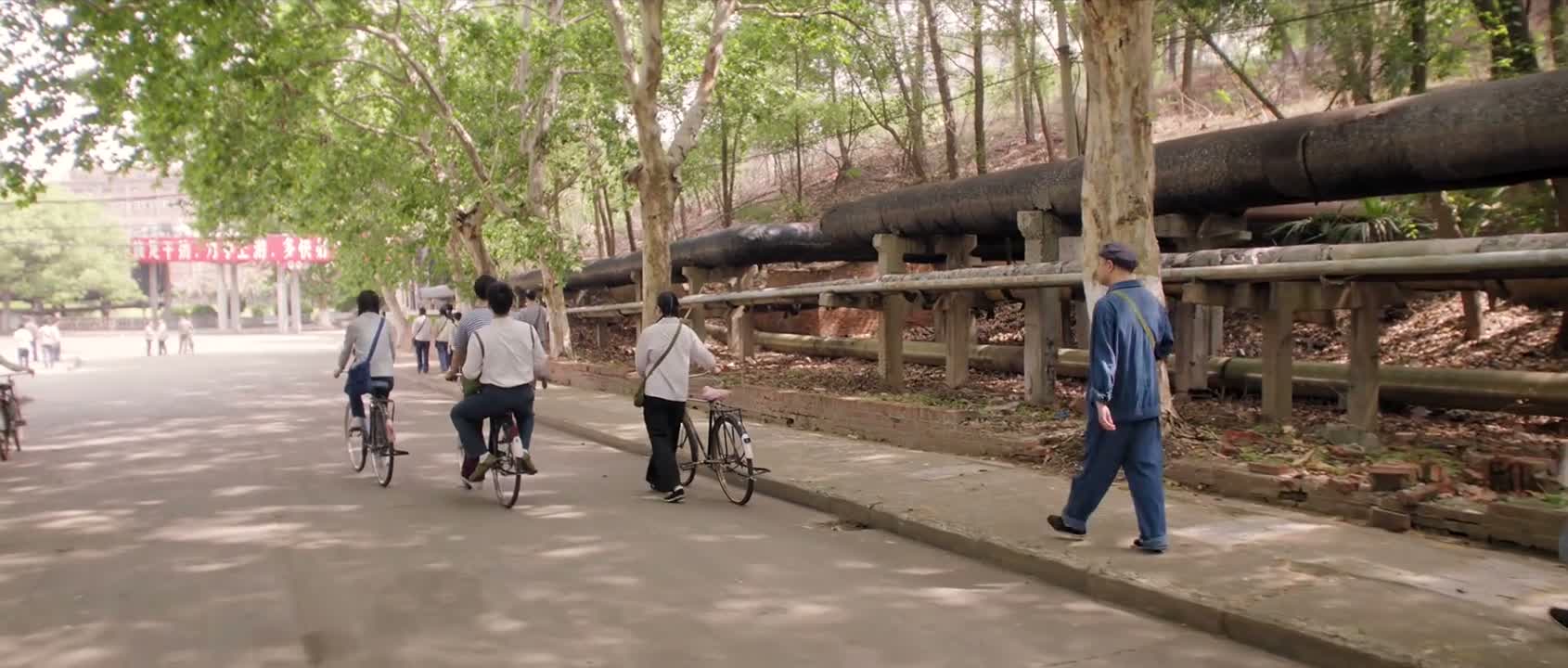
“If not, I'll let go of the handles.”

“Of course, she's overwhelmed.”
“What are you doing? Let go.”
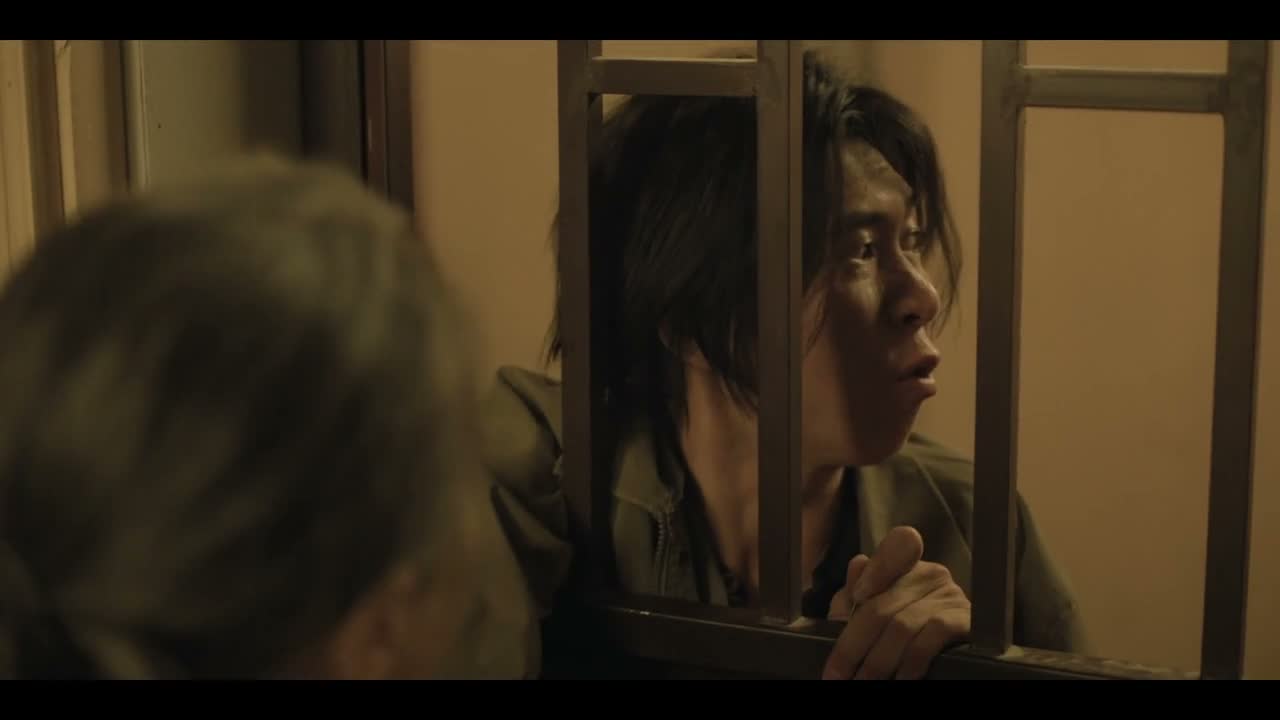
“Let go. Let go of my hand.”