您好 去哪里的 南京的 南京吗 几点到
“Hello, where to? Nanjing. Nanjing? What time?”
THE DIALOGUE REEL
慢点
“Take it easy.”
您好 去哪里的 南京的 南京吗 几点到
“Hello, where to? Nanjing. Nanjing? What time?”
去哪儿的
“Where to?”
Direct spoken expression in this communicative setting.
Around Chinese train and bus stations, taxi drivers, carpool operators, or locals frequently approach travelers to ask their destination (such as 'qu na er' [where are you going?] or 'qu Nanjing ma' [going to Nanjing?]), reflecting a common everyday travel scene in China.
LEARNING CHUNKS & PARTICLES
where are you heading
A very common spoken phrase used by drivers or touts when soliciting passengers or asking for someone's destination, with the particle 'de' emphasizing the destination.
what time will it arrive
Commonly used to ask about the arrival time of transportation such as trains, buses, or flights.
Used at the end of a sentence to form a yes-no question, here verifying whether the listener's destination is Nanjing.
VOCABULARY & EXPRESSIONS
Parallel Spoken Cinema Scenes (语义近邻切片)
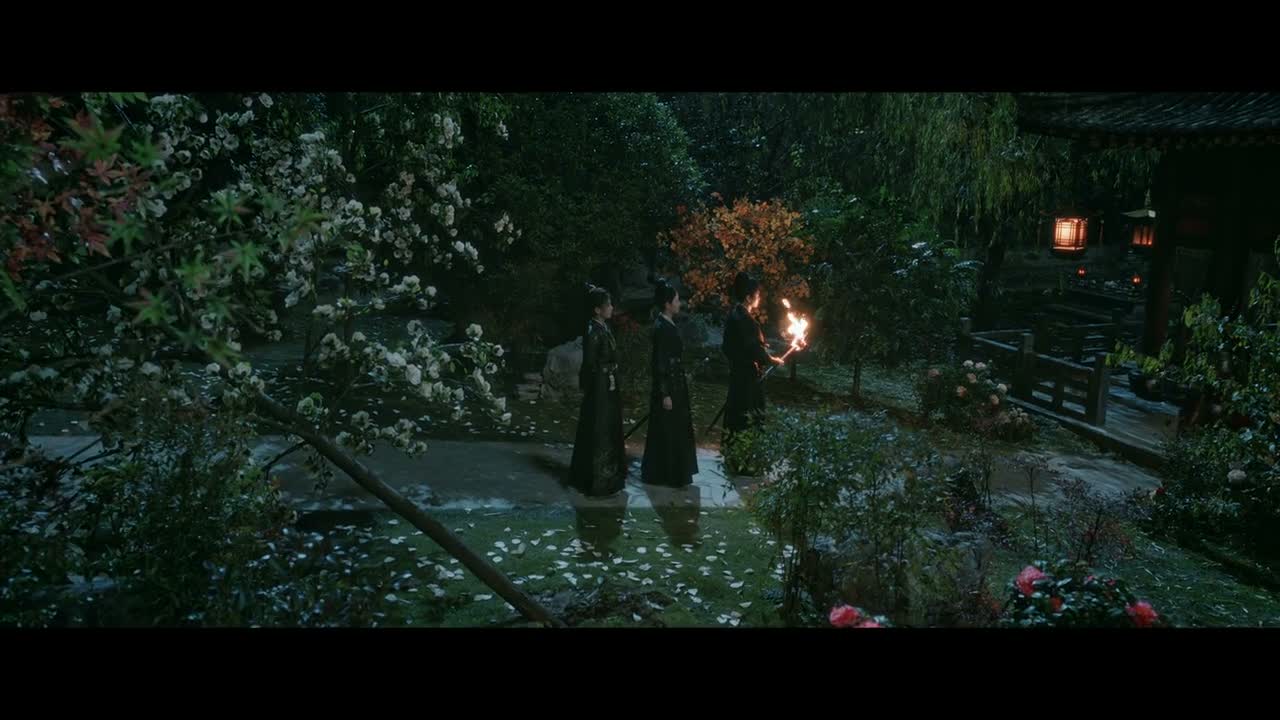
“Where are they? You'll see in a second.”

“[Po-lun] Did I say you can leave?”

“Where can we find one now?”
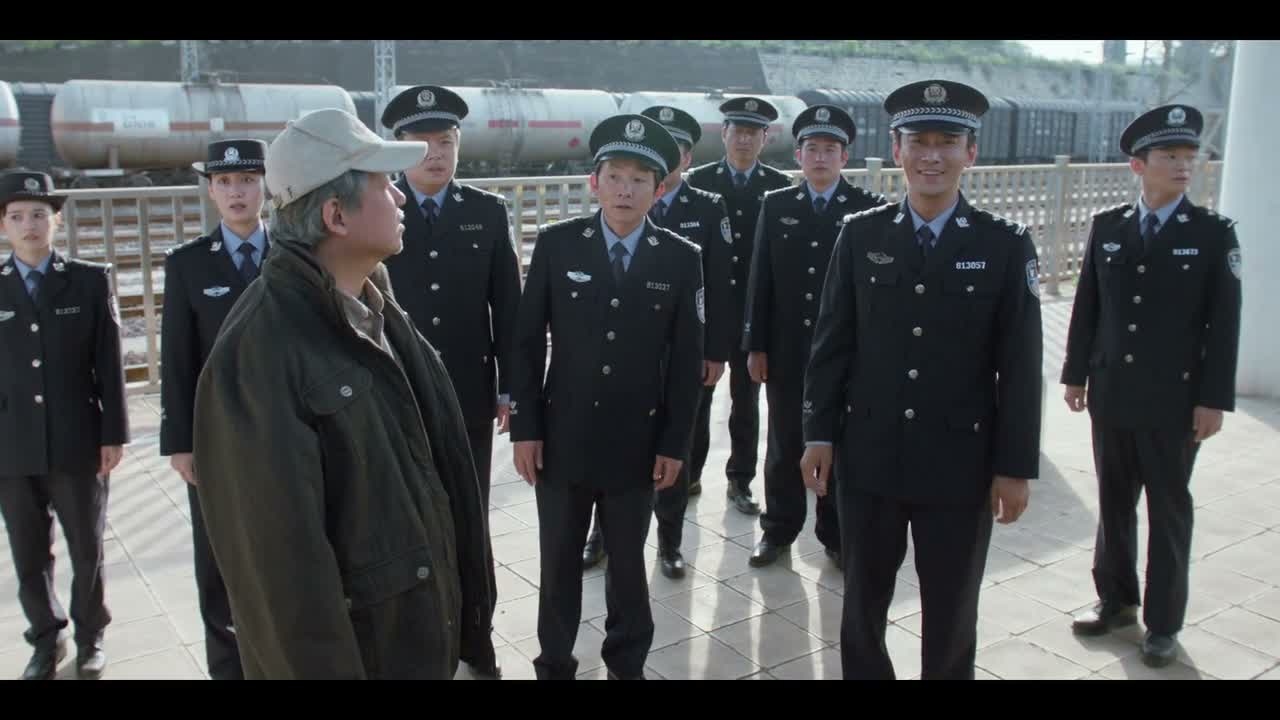
“Where are you looking? He's right here.”

“Where are you going?”