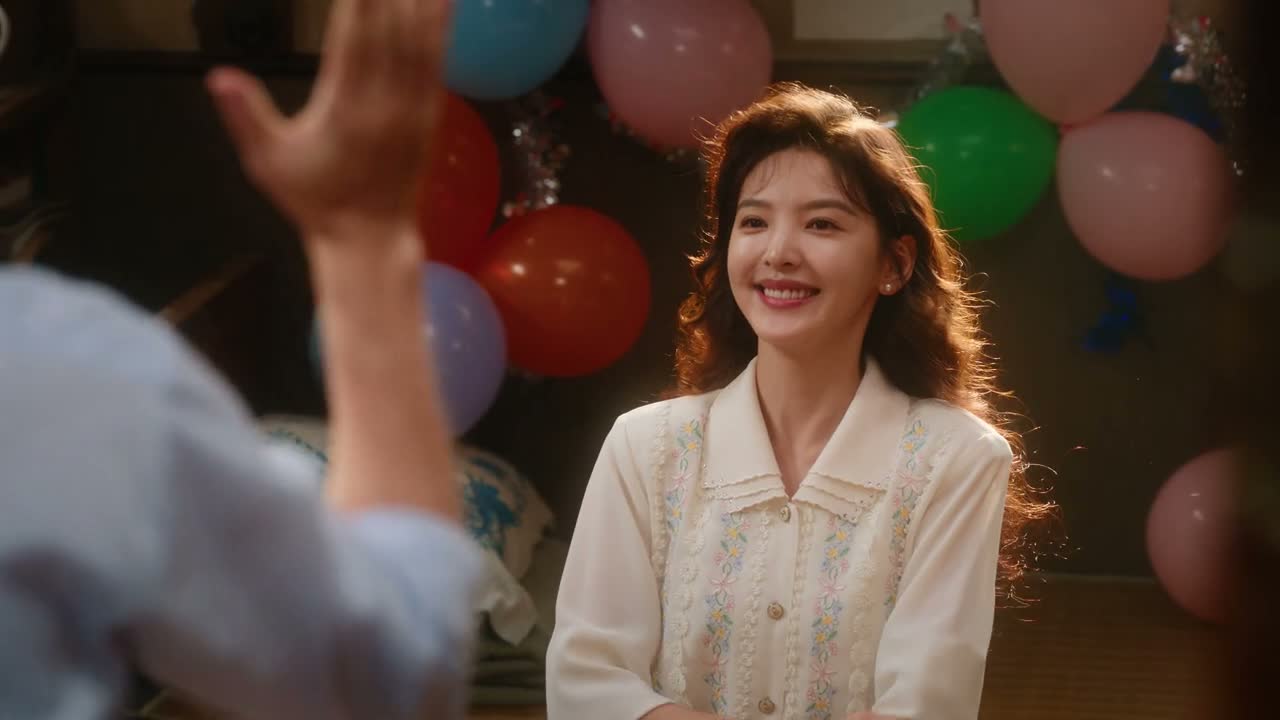
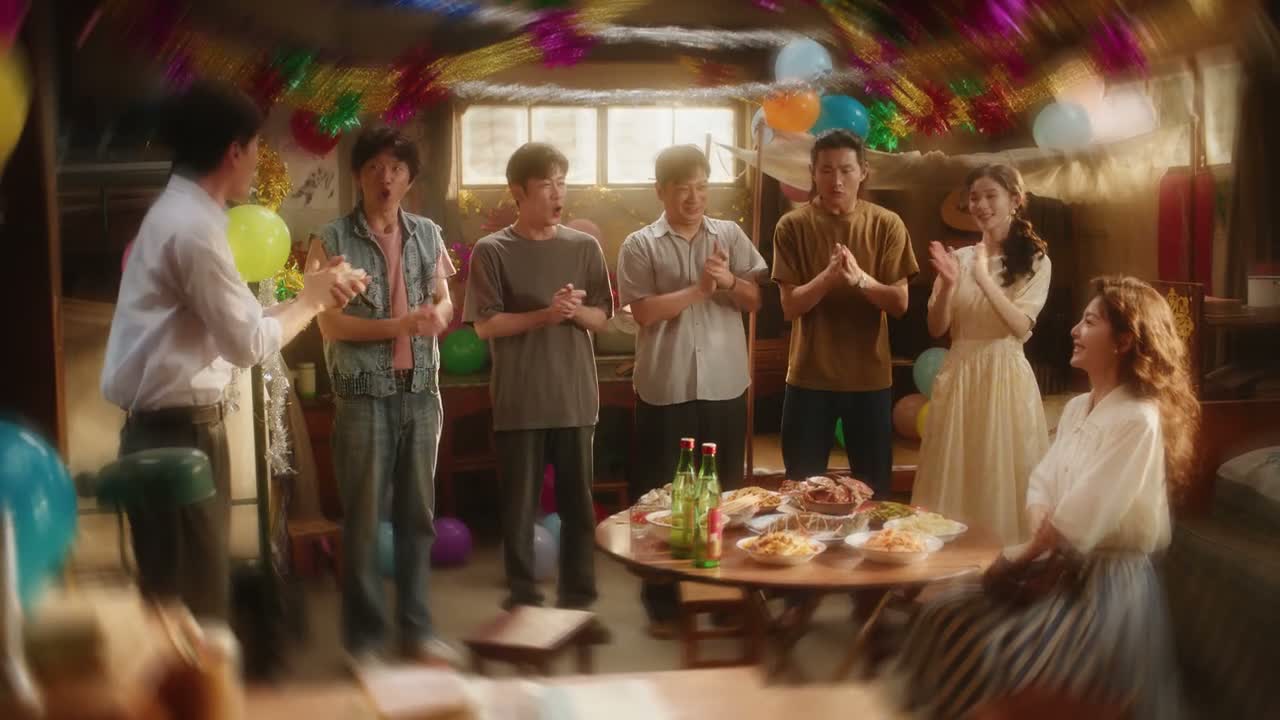
载歌载舞庆祝节日
“singing and dancing to celebrate the festival.”
THE DIALOGUE REEL
人们聚在一起
“People gather together,”
载歌载舞 庆祝 节日
“singing and dancing to celebrate the festival.”
Direct spoken expression in this communicative setting.
In traditional Chinese culture, festivals are typically occasions for community gatherings, ancestral rites, or prayers for good fortune. They are often accompanied by singing, dancing, and communal feasts (such as bonfire gatherings and folk pageants) to strengthen social cohesion and share joy.
LEARNING CHUNKS & PARTICLES
Singing and dancing at the same time; describes a scene of lively and unrestrained celebration.
An idiom used as a predicate or adverbial modifier in both spoken and written Chinese, often applied to festive occasions and joyous gatherings.
To celebrate a festival or holiday by holding activities or ceremonies.
A common verb-object collocation that can specify particular holidays, such as 'qing zhu chun jie' (celebrate Spring Festival) or 'qing zhu guo qing' (celebrate National Day).