MC
MandarinClips Cinema Corpus
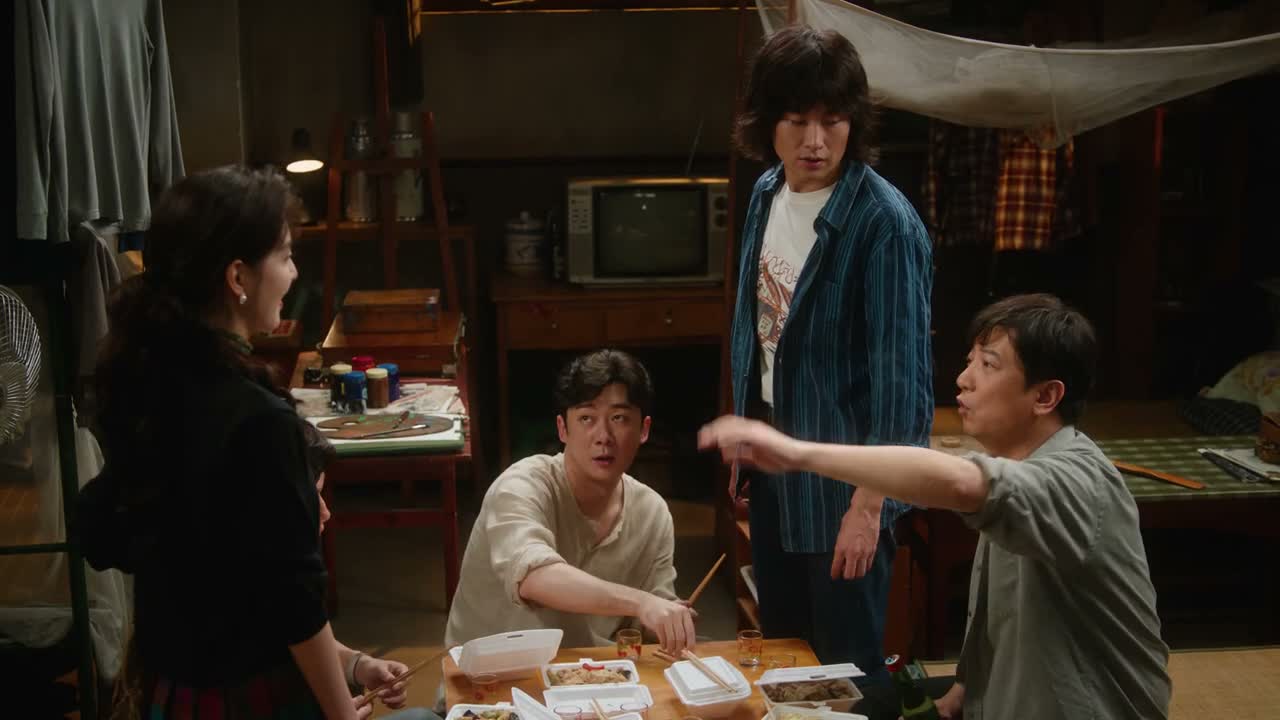
《Vanished Name》 S1·E8 (38:47) HSK 2
nǐ men dōu zǒu ba zǒu ba nǐ men dōu huí wū

你们都走吧 走吧 你们都回屋

“All of you, go! Go home.”

《Vanished Name》 S1·E8
TIMECODE: 38:47 · 1080P MASTER AUDIO

THE DIALOGUE REEL

1+1+1 SPOKEN CONTINUITY
[-1] PREVIOUS TURN bié guò lái bié guò lái

别过来 别过来

“Stay back. Don't come any closer.”

nǐ men dōu zǒu ba zǒu ba nǐ men dōu huí wū CURRENT FOCUS

你们 都走吧 走吧 你们都 回屋

“All of you, go! Go home.”

[+1] FOLLOW-UP TURN xiè xiè nǐ men bié zǒu guò lái

谢谢你们 别走过来

“- Thank you. - Stay back.”

Subtitles synced to millisecond timecode Browse Show Clips →
Scene: Crisis & Conflict
Function: URGING AND WARNING
Tone: DESPERATE
Emotion: FEAR
WHAT THEY REALLY MEAN (PRAGMATIC SUBTEXT)
“Just leave me alone and go back inside! Don't come near me!”
💡 Cultural Insight: Returning to one's room (hui wu)

In Chinese family contexts, this refers to retreating into one's private and safe personal space. It is often used during family conflicts or crises to separate bystanders or younger family members from the unfolding situation.

INTENT TAGS: #driving away #resisting contact #defensiveness #emotional breakdown
🧩

LEARNING CHUNKS & PARTICLES

2 CHUNKS · 1 PARTICLES
都……吧 SPOKEN CHUNK

all of you just... / everyone go ahead and...

Used to urge, advise, or dismiss a group of people, carrying a strong sense of insistence, resignation, or distress.

回屋 SPOKEN CHUNK

go back into the room

An extremely common colloquial expression in daily speech and Northern Mandarin, equivalent to 'go back to one's room' or 'step inside'.

Modal Particle「吧」 (ba) CHANGE OF STATE

Used repeatedly to convey urging, an imperative mood, and an earnest or desperate tone of dismissal.
🏮

VOCABULARY & EXPRESSIONS

2 EXPR · 0 GRAMMAR
CROSS-CINEMA CORPUS BOARD · PARALLEL SCENES

Parallel Spoken Cinema Scenes (语义近邻切片)

EXPLORE BY SEMANTIC SIMILARITY
《Vanished Name》 S1·E8 (38:47) · Authentic Cinema Dialogue Corpus