你咋不把他看好呢 怪谁呢
“Why didn't you keep an eye on him? You're blaming me? It's all because of you.”
THE DIALOGUE REEL
“I came as soon as I got your call. And I brought a lawyer.”
你咋不 把他 看好 呢 怪谁呢
“Why didn't you keep an eye on him? You're blaming me? It's all because of you.”
还不是为了你呀
“You're blaming me? It's all because of you.”
“Why didn't you keep an eye on him? You only have yourself to blame!”
When disputes or thorny crises arise, one party preemptively attacks and blames the other for failing to take precautions, in order to cover up their own fault or anxiety.
LEARNING CHUNKS & PARTICLES
who else can be blamed; it's entirely your own fault
A rhetorical question commonly used in spoken Chinese to express reproach, shirk responsibility, or accuse the other person of bringing trouble upon themselves.
to watch over; to keep a close eye on
In spoken Chinese, 'kan' is pronounced in the first tone to mean supervising, looking after, or preventing someone or something from getting lost or meeting with mishap.
Used at the end of a rhetorical question to heighten the tone of reproach, interrogation, and impatience.
VOCABULARY & EXPRESSIONS
Parallel Spoken Cinema Scenes (语义近邻切片)
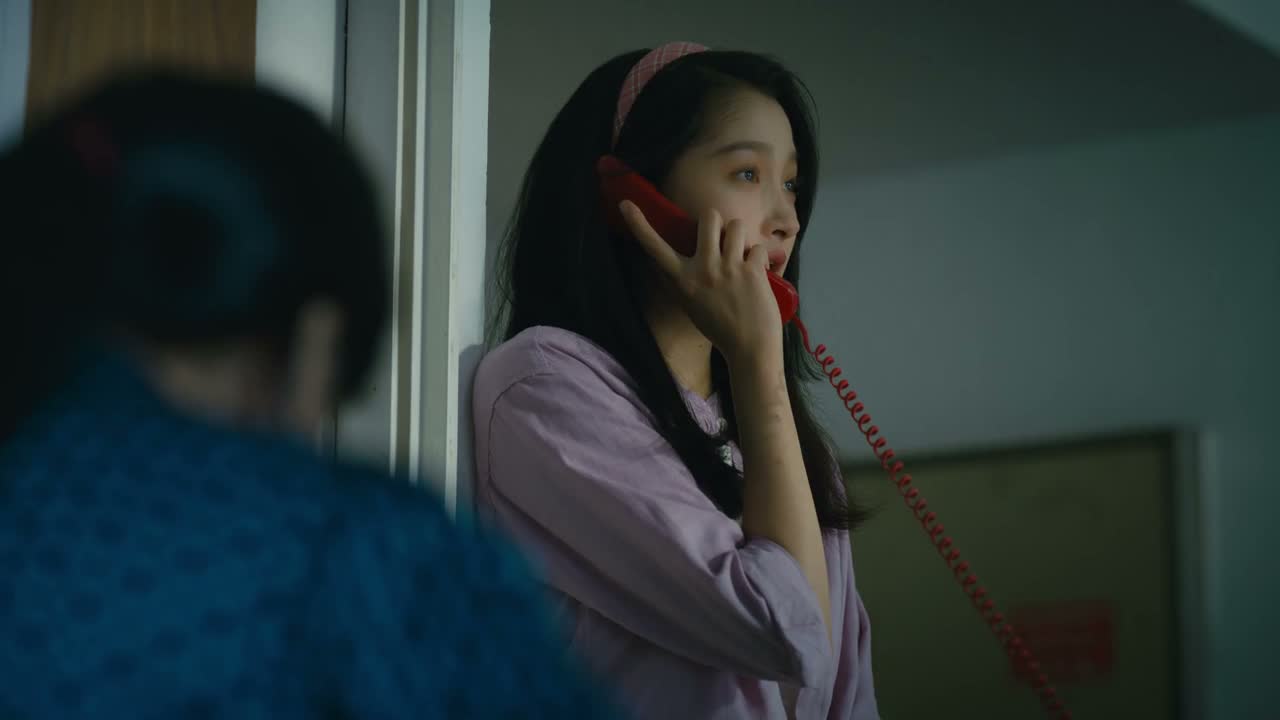
“What's wrong? You sound a bit off.”

“Why are you being so unreasonable?”
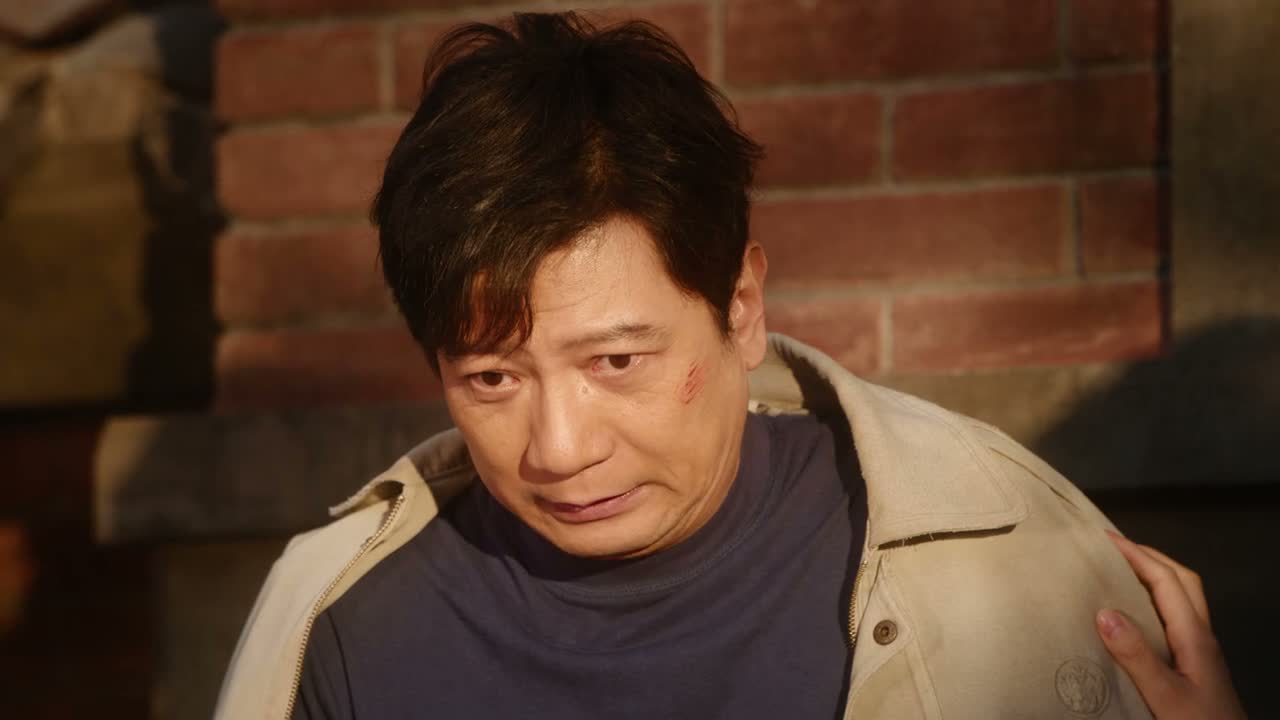
“How could he bully you like this?”

“Why don't you just die?”

“How can he be so ungrateful?”

“In that case, why not just take her home? What's wrong with you?”