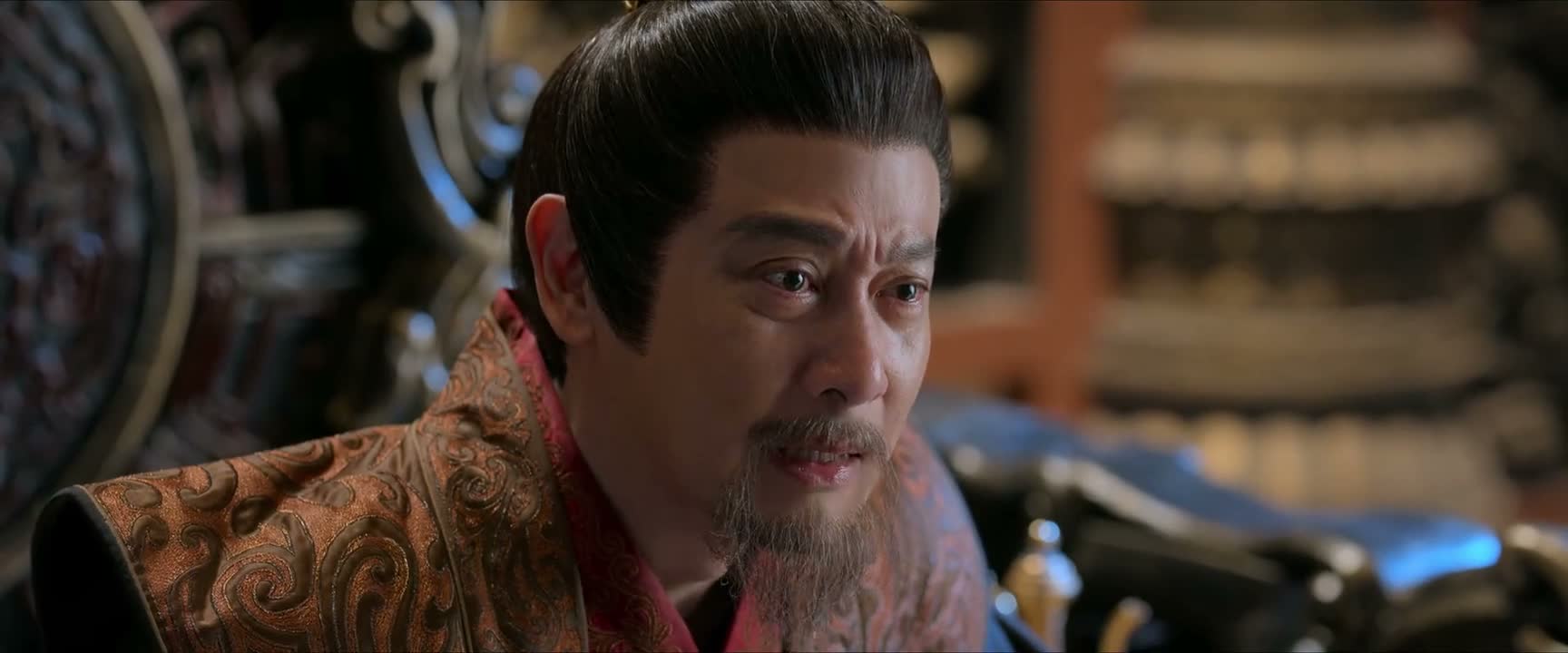
就捡回了他一个人
“He was the only one I found.”
THE DIALOGUE REEL
当年我在这个戈壁滩上找来找去
“Back then, I searched all over the Gobi Desert.”
就捡回了他一个人
“He was the only one I found.”
可以
“Good.”
“Out of everyone, he was the only one I managed to save—that's how deep our bond is.”
In Chinese culture, rescuing an orphan or a dying person from danger or the wilderness is colloquially described as 'jian hui lai de' (picked up and brought back). This vividly highlights the hardship and sheer serendipity of the rescue, while establishing a profound ethical and emotional bond between the savior and the person saved.
LEARNING CHUNKS & PARTICLES
to pick up and bring back; colloquially extended here to rescuing, sheltering, and bringing home someone near death
Typically used for picking up lost items or stray animals; when applied to people, it strongly implies saving someone's life through a serendipitous encounter and taking them in.
only / merely a single person
Used to emphasize absolute uniqueness or an extremely small number, often carrying a poignant or highlighting tone.
VOCABULARY & EXPRESSIONS
Parallel Spoken Cinema Scenes (语义近邻切片)

“♪ Wipe away the glistening tears in your eyes ♪ Did you come back alone this time?”

“and win it back again.”
“behind my back”

“and win it back again.”
“Bring him in for questioning and the truth will come out.”

“I would grab it myself.”