在那个大风雪里边走得早
“His parents passed away young during a terrible blizzard.”
THE DIALOGUE REEL
爹娘呢
“His parents passed away young during a terrible blizzard.”
在那个大风雪里边走得早
“His parents passed away young during a terrible blizzard.”
当年我在这个戈壁滩上找来找去
“Back then, I searched all over the Gobi Desert.”
“They passed away a long time ago in that terrible blizzard.”
In traditional Chinese culture, speaking directly of 'si' (death) regarding family members is generally taboo. Instead, euphemisms like 'zou le' (departed), 'bu zai le' (no longer here), or 'zou de zao' (passed away early) are used to express grief and respect.
LEARNING CHUNKS & PARTICLES
passed away early; left this world at an early age
A common Chinese euphemism for death used to avoid saying 'si' (die) directly; typically used when referring to deceased family members or relatives.
VOCABULARY & EXPRESSIONS
Parallel Spoken Cinema Scenes (语义近邻切片)

“behind my back”
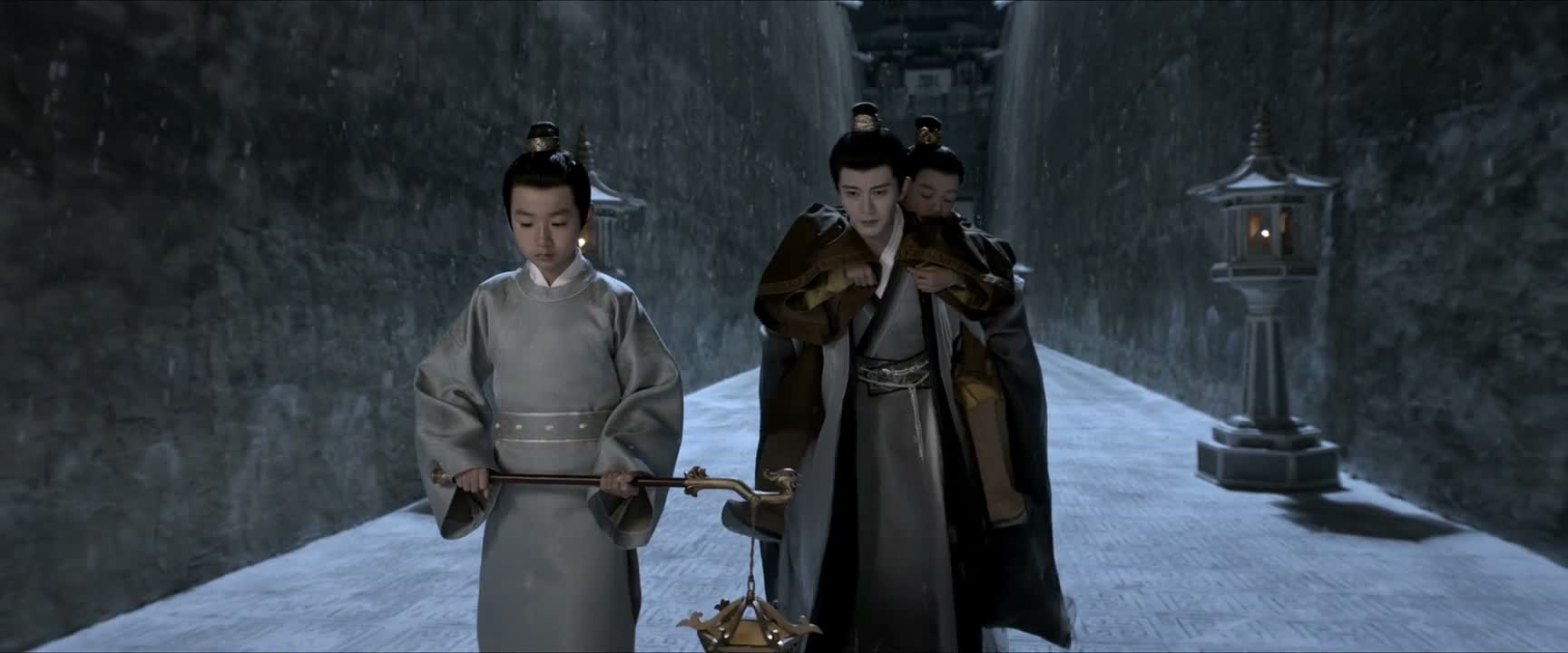
“trudging through wind and snow,”
“trudging through wind and snow,”

“it's cold and windy outside. You should go back in and rest.”

“And if they encounter heavy snow, the journey will be even more difficult.”

“That's over ten miles of mountain road.”