飚一句什么 不文明用语啊
“blurting out some profanity.”
THE DIALOGUE REEL
“Just don't get too into character,”
飚一句 什么 不文明用语 啊
“blurting out some profanity.”
我知道了 人家来我地盘捣乱 还唱什么红脸
“I see. If someone comes to my turf to cause trouble, I still have to play the nice guy?”
“Don't lose your temper and blurt out any swear words.”
Originating from traditional Chinese opera, this metaphor refers to playing the strict, harsh, or uncompromising role during a conflict or cooperation (often contrasted with 'chang bai lian', playing the good cop).
LEARNING CHUNKS & PARTICLES
too immersed in a role or situation to disengage
Commonly used in spoken Chinese to tease or remind someone not to take an act, role, or pretense too seriously.
foul language; profanity
A formal euphemism; when used in casual speech, it often carries a teasing, humorous, or sarcastic tone.
to suddenly blurt out a line (usually profanity, harsh words, or foreign slang)
'biao' vividly conveys blurting something out at high speed or during an emotional outburst in colloquial speech.
Used at the end of a sentence to convey a reminder, gentle warning, or a tentative inquiry with a hypothetical tone.
VOCABULARY & EXPRESSIONS
Parallel Spoken Cinema Scenes (语义近邻切片)
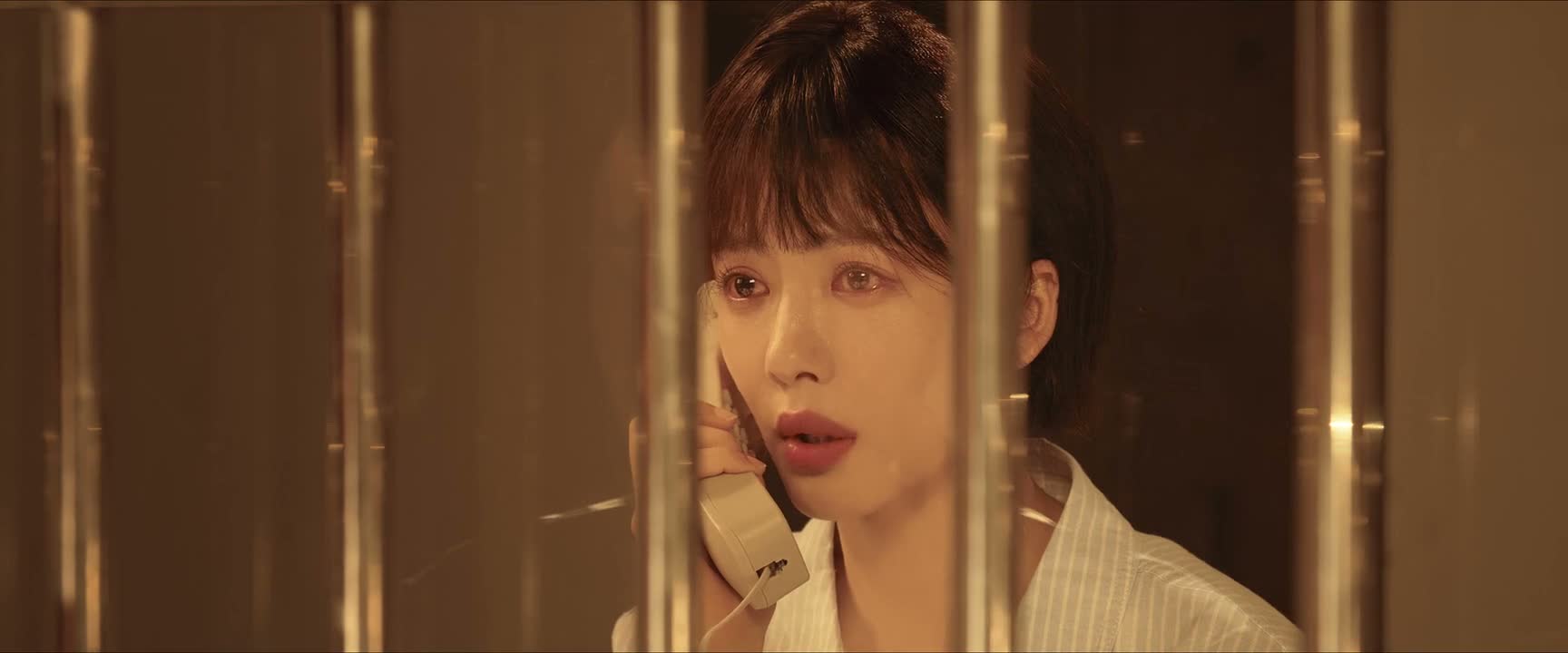
“Say something.”

“Just say the word whenever you want to ride,”

“Watch your mouth! That's rude!”
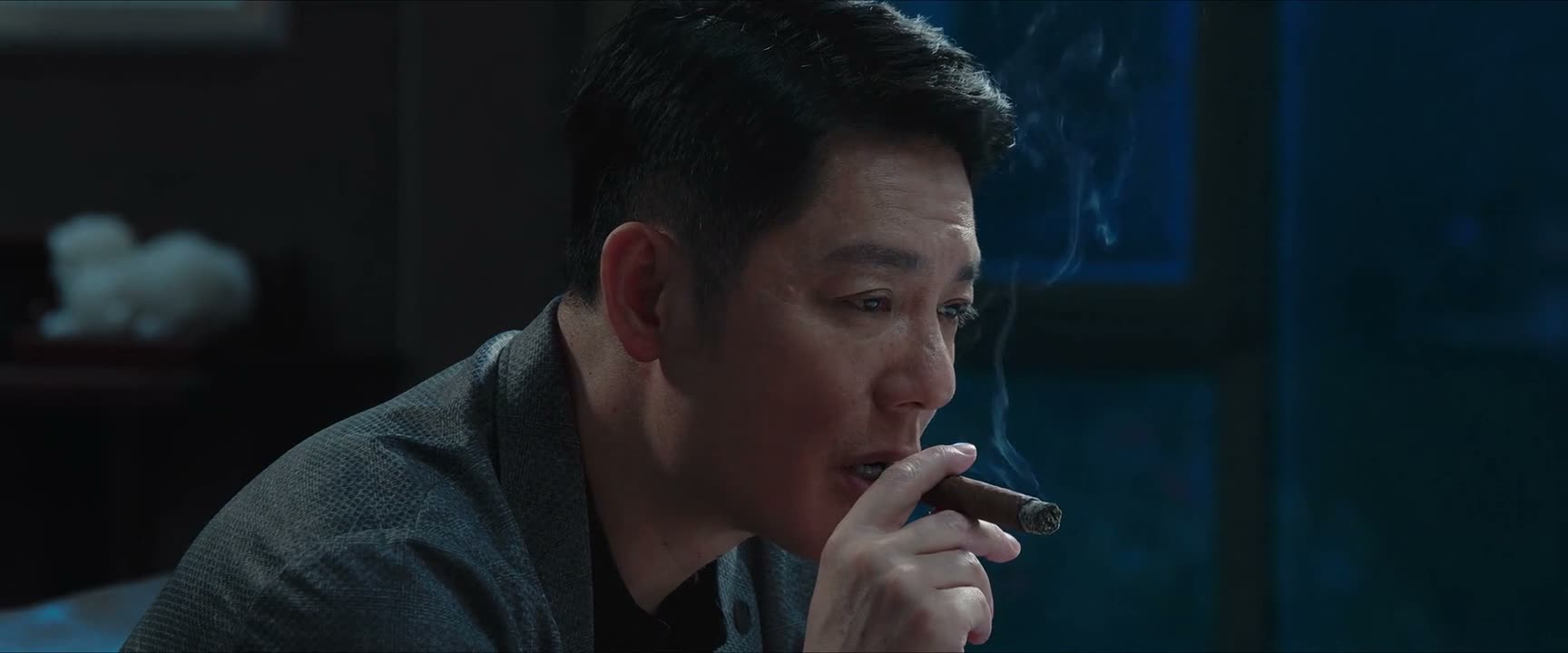
“What are you talking about?”

“Say what? Nothing. Not a word. Just eat.”

“that I can't even speak? You can speak.”