MC
MandarinClips Cinema Corpus
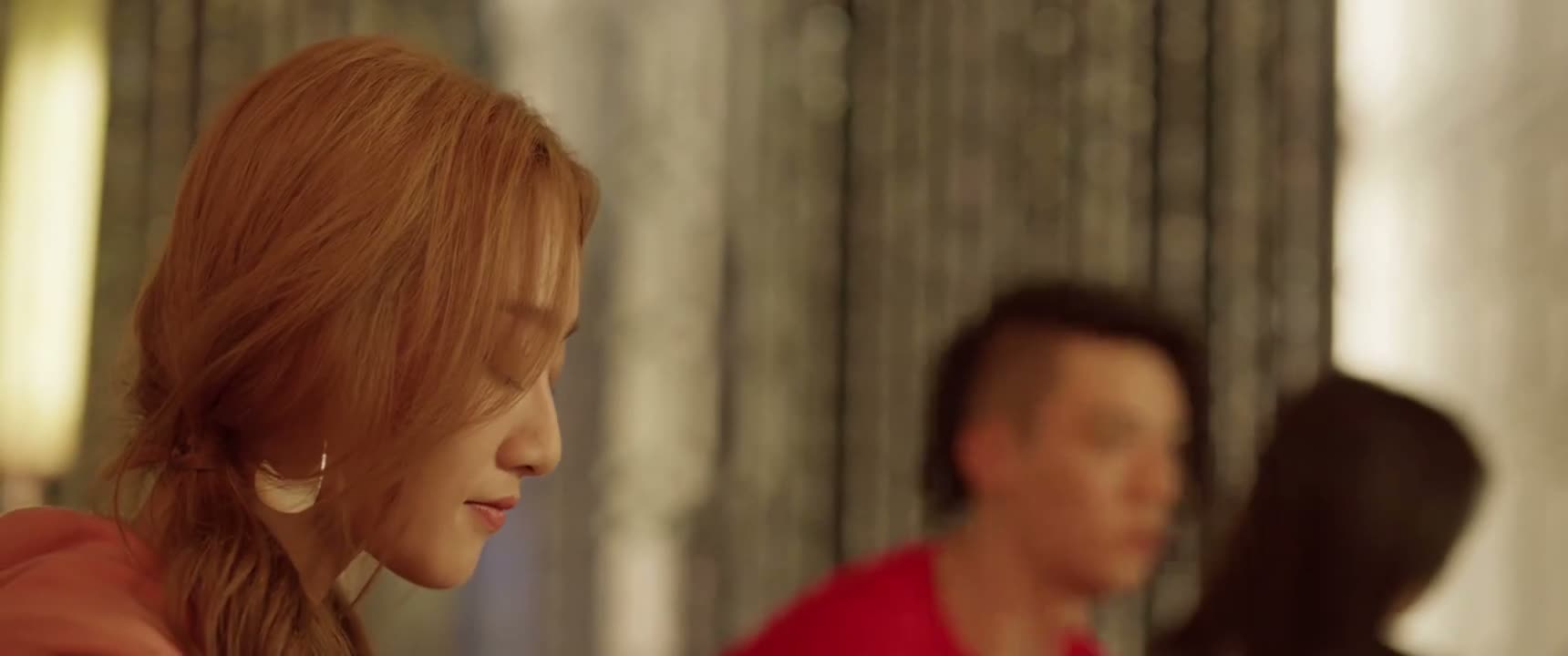
《Love Between Lines》 S1·E14 (16:32) HSK 7
nǐ bié lèng zhe le nǐ yě chī diǎn wǒ bù è

你别愣着了 你也吃点 我不饿

“Don't just sit there. Have some food, too. I'm not hungry.”

《Love Between Lines》 S1·E14
TIMECODE: 16:32 · 1080P MASTER AUDIO

THE DIALOGUE REEL

1+1+1 SPOKEN CONTINUITY
[-1] PREVIOUS TURN pà wǒ wèn duō le nǐ yǒu yā lì ma

“I was afraid that asking too much would add to your stress.”

nǐ bié lèng zhe le nǐ yě chī diǎn wǒ bù è CURRENT FOCUS

你 别愣着了 你也吃 点 我不饿

“Don't just sit there. Have some food, too. I'm not hungry.”

[+1] FOLLOW-UP TURN wǒ hái dé huí tàng gōng sī zhǎo zhǎn jié

“I need to go back to the office to meet with Zhan Jie.”

Subtitles synced to millisecond timecode Browse Show Clips →
Scene: Dining & Food
Function: ENCOURAGING
Tone: GENTLE
Emotion: CARING
WHAT THEY REALLY MEAN (PRAGMATIC SUBTEXT)
“Stop zoning out over our conversation and eat; don't worry about me.”
💡 Cultural Insight: Showing Care Through Food Urging

In Chinese relationships, urging someone to eat ('你也吃点') is a primary non-verbal and conversational gesture to show affection and defuse tension.

INTENT TAGS: #caregiving #deflection #encouragement #hospitality
🧩

LEARNING CHUNKS & PARTICLES

2 CHUNKS · 1 PARTICLES
别愣着了 SPOKEN CHUNK

don't just stand/sit there dazed; snap out of it

A very common colloquial imperative used to wake someone up from spacing out or hesitation.

吃点 SPOKEN CHUNK

eat a little / have some food

Softens the imperative to eat, making it warm, hospitable, and casual.

Modal Particle「了」 (le) CHANGE OF STATE

Signifies a change of state, urging the interlocutor to cease being spaced out.
🏮

VOCABULARY & EXPRESSIONS

3 EXPR · 0 GRAMMAR
CROSS-CINEMA CORPUS BOARD · PARALLEL SCENES

Parallel Spoken Cinema Scenes (语义近邻切片)

EXPLORE BY SEMANTIC SIMILARITY
《Love Between Lines》 S1·E14 (16:32) · Authentic Cinema Dialogue Corpus