他怎么就又死在船厂了呢
“But how did he end up dead at the shipyard?”
THE DIALOGUE REEL
“My motorcycle is missing, so Ma Kai must have taken it.”
他 怎么就 又死在船厂 了 呢
“But how did he end up dead at the shipyard?”
他死在哪
“Who cares where he died?”
“This makes no sense at all; why would he end up dead there of all places?”
Chinese speakers often bundle adverbs like '怎么就' and '又' with the final particle '呢' to emphasize emotional perplexity rather than asking for literal directions.
LEARNING CHUNKS & PARTICLES
how on earth / how could it be that
Use this spoken pattern to express intense surprise or bewilderment at an unexpected negative outcome.
died at / died in
A direct collocation indicating the specific location where someone died.
Marks the completion of an action or change of state.
Enhances the rhetorical and bewildered tone at the end of a question.
VOCABULARY & EXPRESSIONS
Parallel Spoken Cinema Scenes (语义近邻切片)

“died at the shipyard.”

“Why did she have to die so brutally?”

“atone for the people who died in the shipyard explosion?”

“Otherwise, I wouldn't even know how I died.”
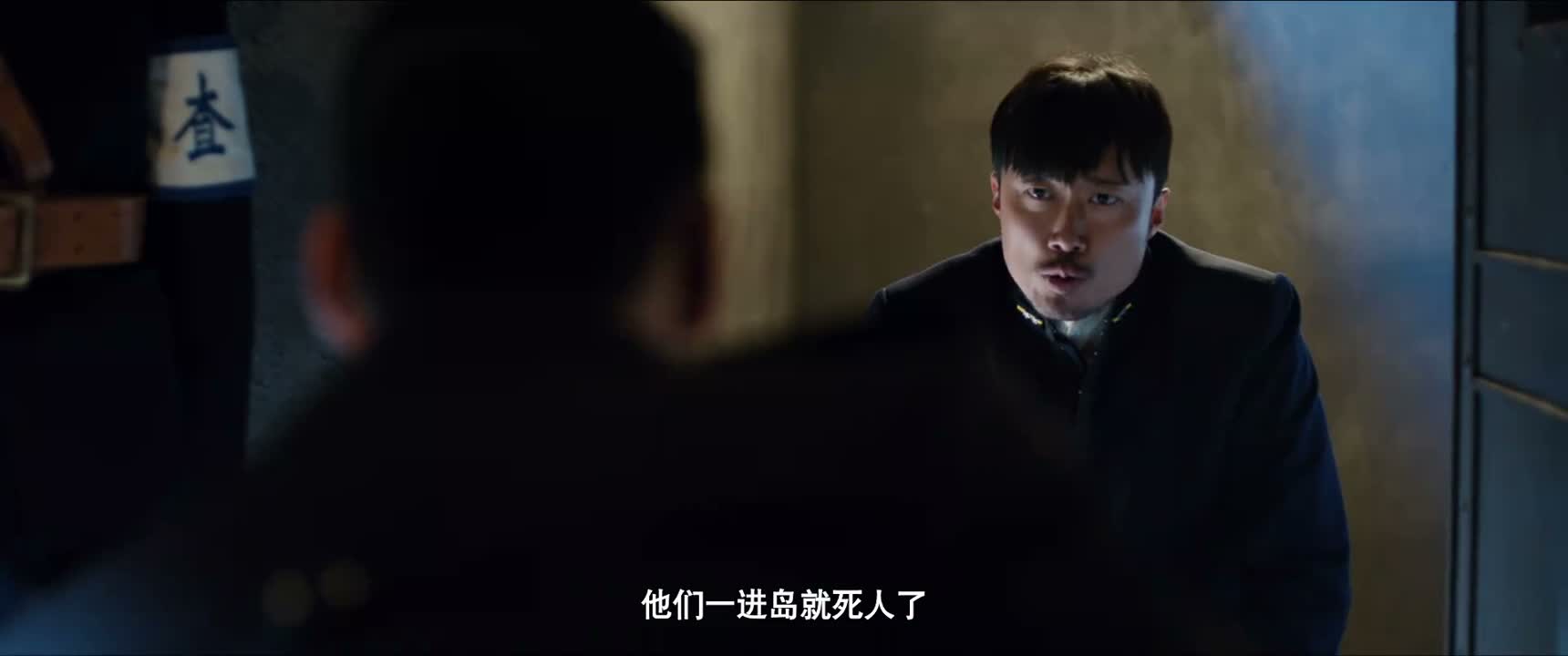
“As soon as they arrived, people started dying.”
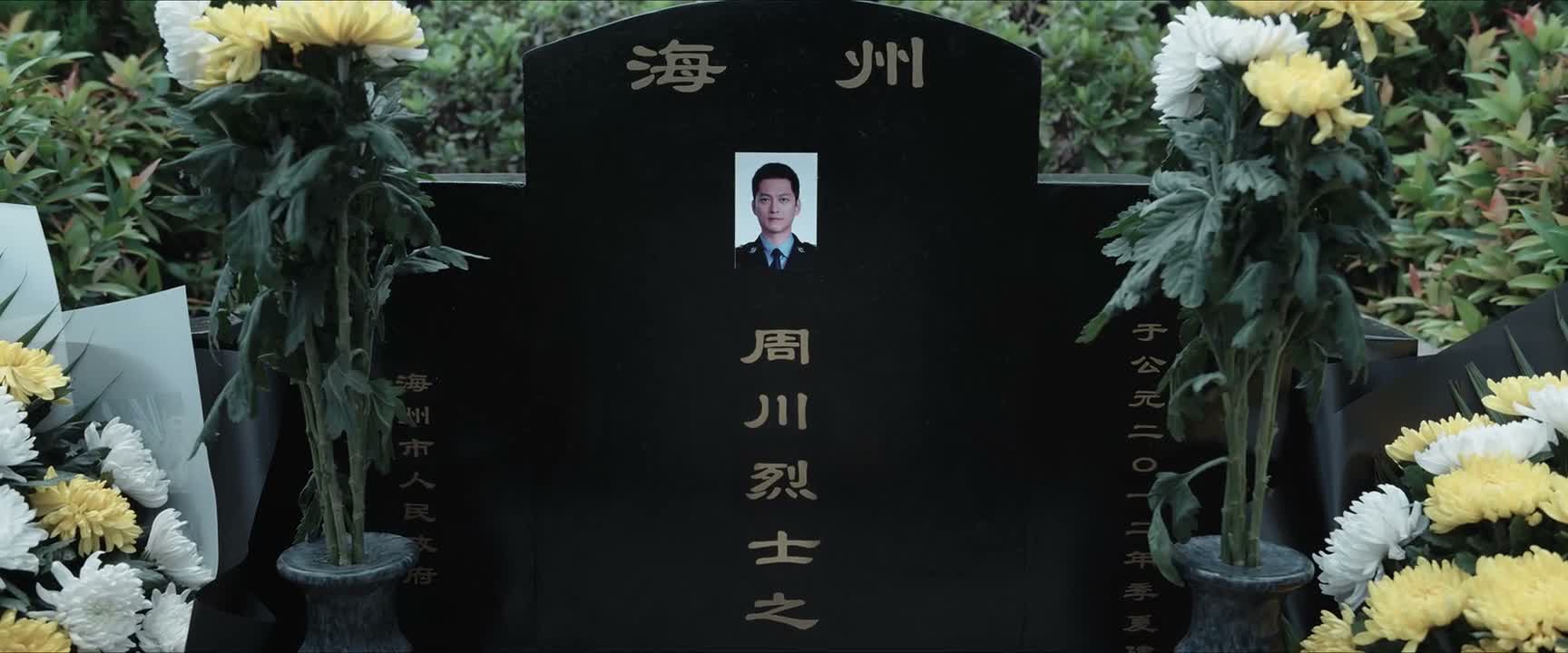
“[Tomb of Martyr Zhou Chuan] How come he died and you came back alive?"”