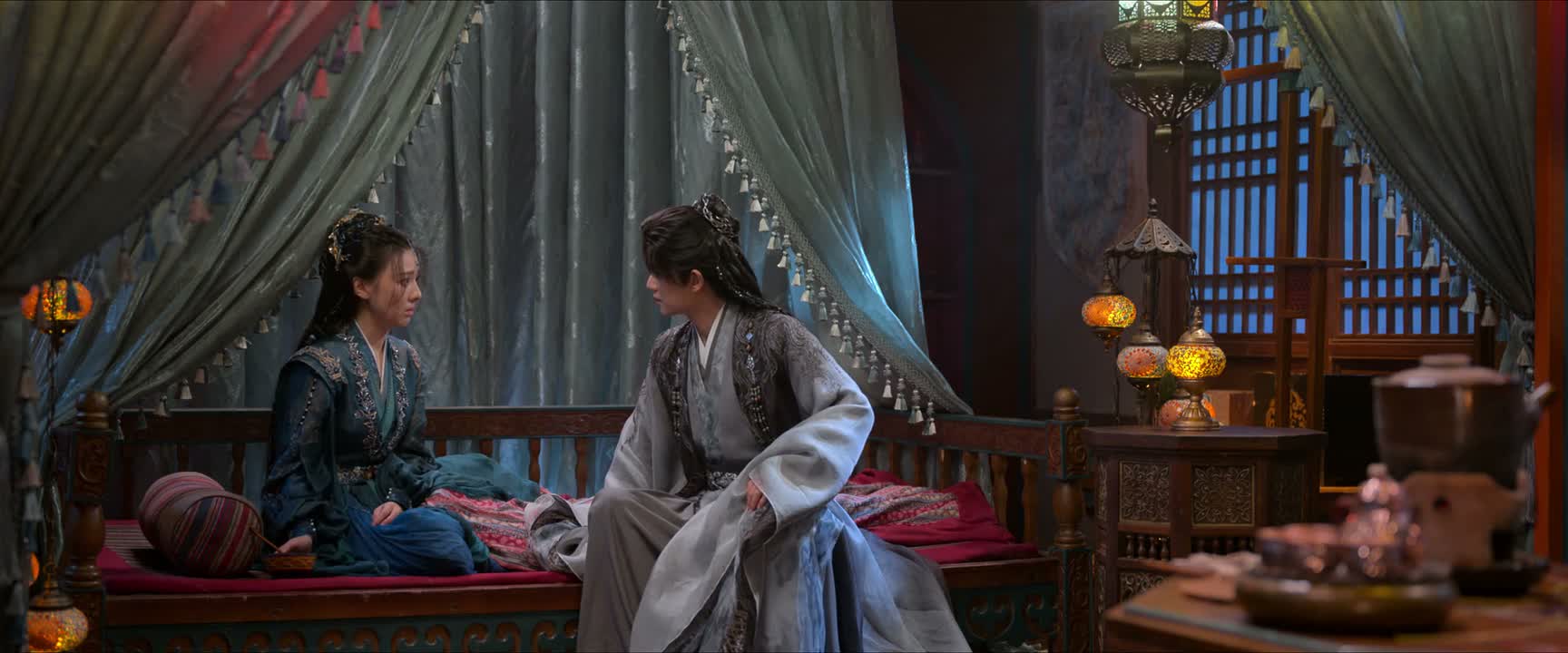
为何会死得如此之惨
“Why did she have to die so brutally?”
THE DIALOGUE REEL
也就罢了
“that would have been fine.”
为何会死得如此之惨
“Why did she have to die so brutally?”
Direct spoken expression in this communicative setting.
Chinese costume and historical crime dramas frequently use literary markers like '为何' and '如此之' to heighten solemnity and historical authenticity.
LEARNING CHUNKS & PARTICLES
so; to such a degree (classical/formal modifier)
A literary structure equivalent to '如此' or '这么', used in formal or historical registers before monosyllabic adjectives.
to die a tragic/gruesome death
Commonly used when recounting gruesome homicides or untimely, brutal ends.
VOCABULARY & EXPRESSIONS
Parallel Spoken Cinema Scenes (语义近邻切片)

“what exactly caused the old man's death,”
“If I die like this,”

“Why must they die?”
“Why would he kill himself? It wasn't suicide.”
“[Next Episode] If I die like this,”

“Why did they die tragically at the hands of villains,”
“How exactly did he die?”

“would fall down over such things.”
“How did they die?”