MC
MandarinClips Cinema Corpus
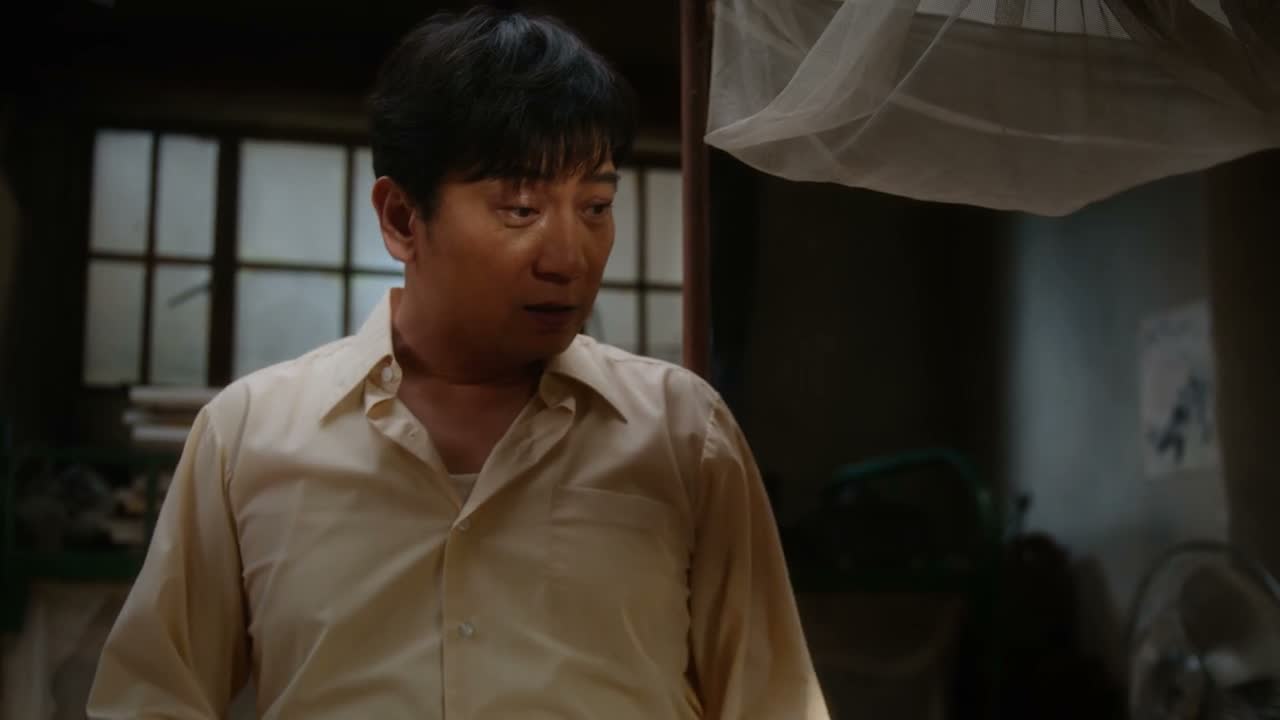
《The Guilty》 S1·E4 (20:33) HSK 5
zǎ le zhè me méi jīng shén

咋了 这么没精神

“What's wrong? You look out of it.”

《The Guilty》 S1·E4
TIMECODE: 20:33 · 1080P MASTER AUDIO

THE DIALOGUE REEL

1+1+1 SPOKEN CONTINUITY
[-1] PREVIOUS TURN nǐ zǎ cái lái ne

你咋才来呢

“what took you so long?”

zǎ le zhè me méi jīng shén CURRENT FOCUS

咋了 这么没 精神

“What's wrong? You look out of it.”

[+1] FOLLOW-UP TURN méi shuì hǎo

没睡好

“I didn't sleep well.”

Subtitles synced to millisecond timecode Browse Show Clips →
Scene: Daily Life
Function: SHOWING CONCERN
Tone: CONCERNED
Emotion: CARING
WHAT THEY REALLY MEAN (PRAGMATIC SUBTEXT)

Direct spoken expression in this communicative setting.

💡 Cultural Insight: Casual Guanxin (Care/Concern)

In Chinese interpersonal dynamics, observing and directly commenting on someone's physical tiredness is a standard gesture of warmth and everyday care.

INTENT TAGS: #concern #inquiry #casual_greeting #observation
🧩

LEARNING CHUNKS & PARTICLES

2 CHUNKS · 1 PARTICLES
咋了 SPOKEN CHUNK

what's up; what happened

Highly informal, Northern spoken variant of '怎么了', used between friends or familiar peers.

没精神 SPOKEN CHUNK

lacking energy; looking listless or sluggish

Commonly used to point out that someone looks tired, sick, or emotionally drained.

Modal Particle「了」 (le) CHANGE OF STATE

Combined with '咋' to mark a perceived change in condition or state triggering the question.
🏮

VOCABULARY & EXPRESSIONS

2 EXPR · 0 GRAMMAR
CROSS-CINEMA CORPUS BOARD · PARALLEL SCENES

Parallel Spoken Cinema Scenes (语义近邻切片)

EXPLORE BY SEMANTIC SIMILARITY
《The Guilty》 S1·E4 (20:33) · Authentic Cinema Dialogue Corpus