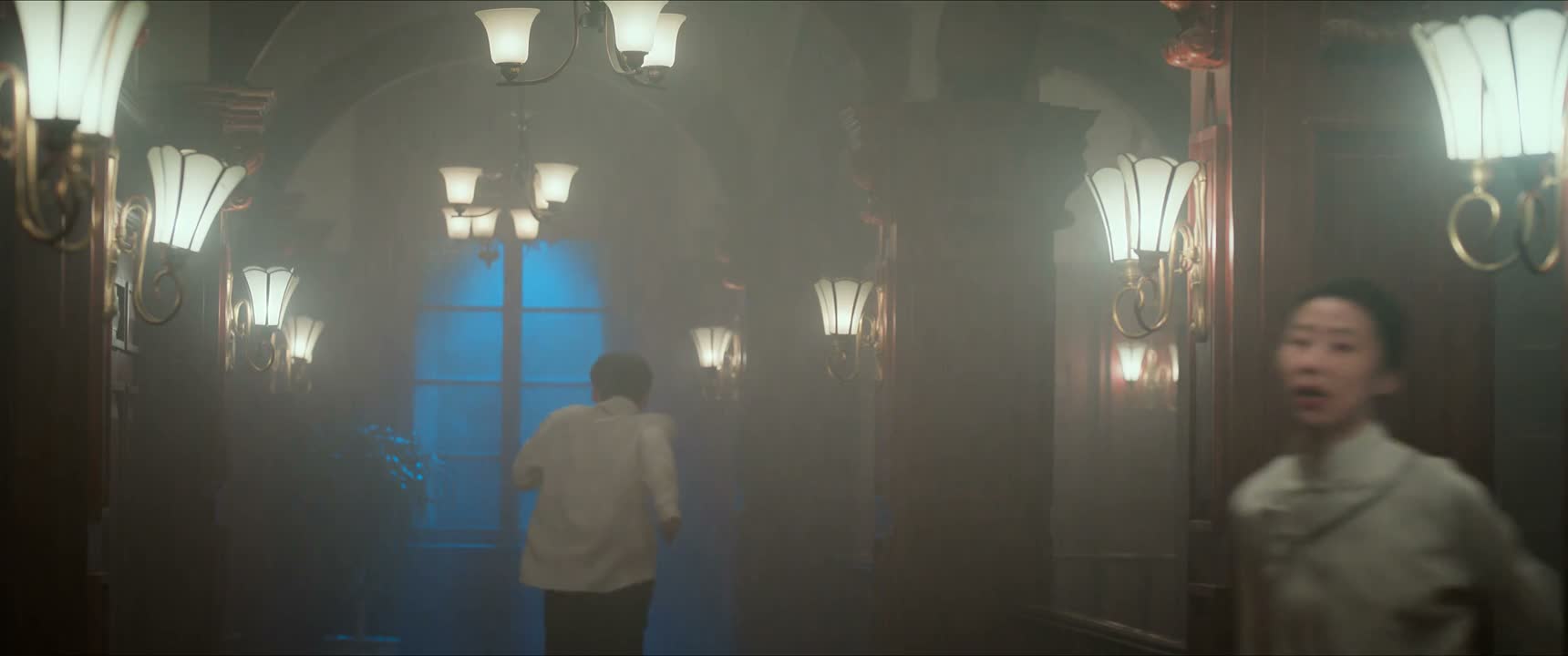
《The Guilty》 S1·E4 (12:53)
HSK 4
zháo huǒ le jiù huǒ le
着火了 救火了
“Fire! Help!”
《The Guilty》
S1·E4
TIMECODE: 12:53
·
1080P MASTER AUDIO
THE DIALOGUE REEL
[-1] PREVIOUS TURN
xià xuě xià xuě xià xuě
夏雪 夏雪 夏雪
“Xia Xue! Xia Xue.”
zháo huǒ le jiù huǒ le
CURRENT FOCUS
着火了 救火 了
“Fire! Help!”
[+1] FOLLOW-UP TURN
zháo huǒ le jiù huǒ le
着火了 救火了
“Fire! Help!”
Subtitles synced to millisecond timecode
Browse Show Clips →
Scene:
Crisis & Conflict
Function:
RAISING ALARM
Tone:
ALARMED
Emotion:
PANIC
WHAT THEY REALLY MEAN (PRAGMATIC SUBTEXT)
Direct spoken expression in this communicative setting.
💡 Cultural Insight: Emergency Shouting Patterns
In high-stress situations, Chinese speakers use short verb-particle formulas repeated rapidly to maximize volume and signal critical danger.
INTENT TAGS:
#warning
#alarm
#emergency
#calling_for_help
🧩
2 CHUNKS · 1 PARTICLES
LEARNING CHUNKS & PARTICLES
着火了
SPOKEN CHUNK
A fire has started / It's on fire
A standard, urgent cry used immediately when spotting an unwanted fire.
救火
SPOKEN CHUNK
fight a fire / extinguish a fire
Commonly used in shouting for help or referring to fire-extinguishing actions.
Modal Particle「了」 (le)
CHANGE OF STATE
Marks a sudden change of state, stressing the immediate emergency that just occurred.
🏮
2 EXPR · 0 GRAMMAR
VOCABULARY & EXPRESSIONS
COLLOQUIAL EXPRESSIONS:
CROSS-CINEMA CORPUS BOARD · PARALLEL SCENES
EXPLORE BY SEMANTIC SIMILARITY
Parallel Spoken Cinema Scenes (语义近邻切片)


《The Guilty》 S1·E4 (12:53) · Authentic Cinema Dialogue Corpus