他已经了却此生 再无牵挂
“His life has come to an end. He has no more worldly ties,”
THE DIALOGUE REEL
该是他哭你才是
“He should be the one crying for you.”
他已经 了却此生 再无牵挂
“His life has come to an end. He has no more worldly ties,”
留你一个小家伙 在这边关乱世
“leaving you, a little kid, in this chaotic borderland”
“Do not weep for him; death has freed him from suffering, but you are the one facing a brutal reality.”
Traditional Chinese perspectives often view death in wartime as an escape from earthly suffering (苦海), reframing dying without attachments (了却牵挂) as a form of peace.
LEARNING CHUNKS & PARTICLES
to end this mortal life / to finish one's earthly existence
A poetic, somber idiom describing dying or completing one's worldly journey, often carrying philosophical closure.
to have no further worries or attachments
Used to describe someone who is completely free of lingering emotional baggage or worldly ties, often upon passing away.
VOCABULARY & EXPRESSIONS
Parallel Spoken Cinema Scenes (语义近邻切片)

“would be the end of my life.”
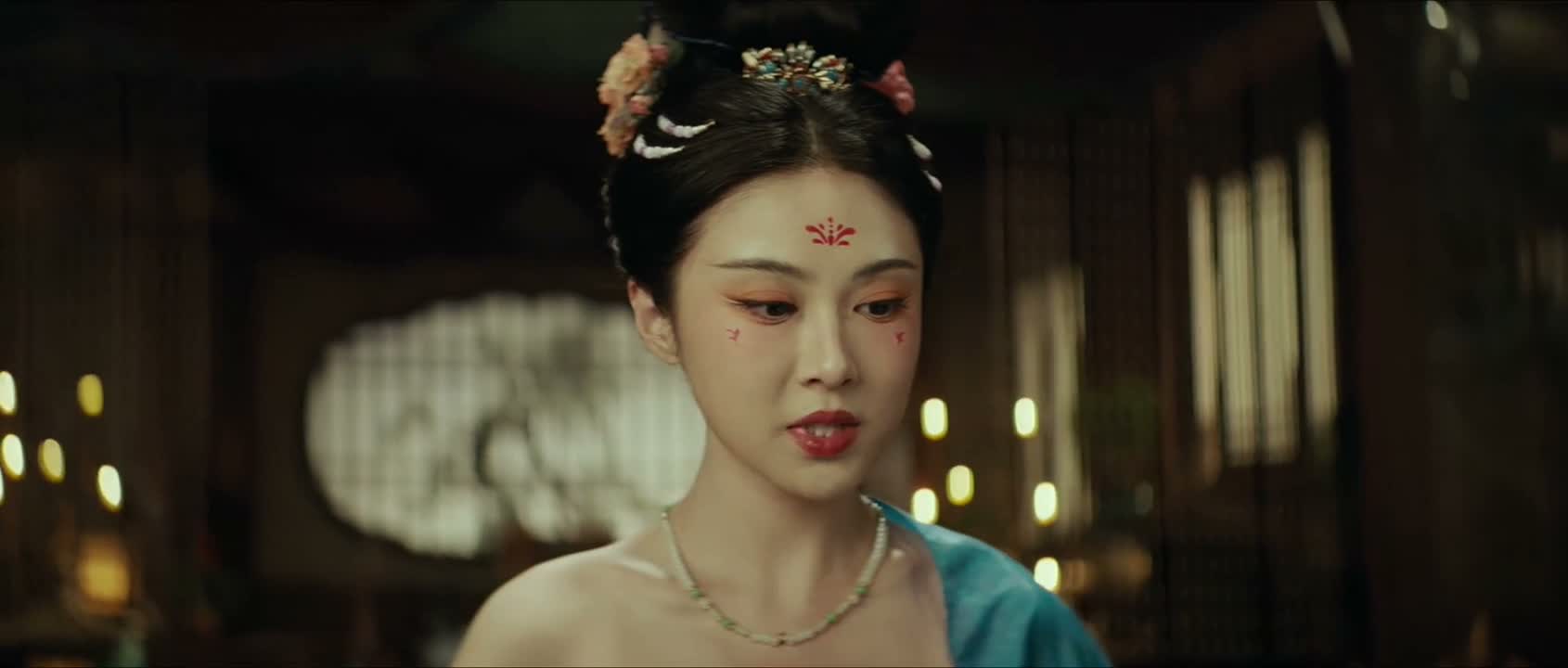
“I would never cross paths with them again.”

“Things changed later, and we lost touch.”

“Things changed later, and we lost touch.”

“We've lived out this life.”
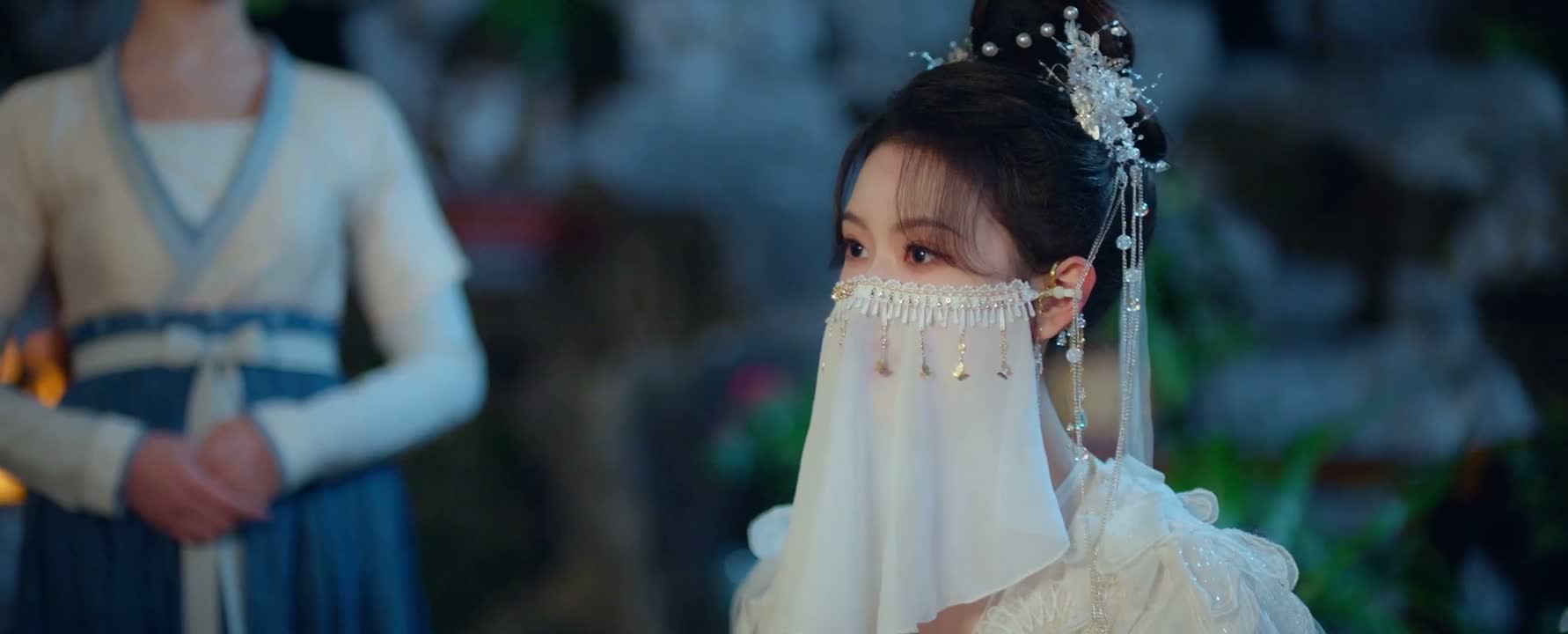
“that my heart belongs to someone else”