MC
MandarinClips Cinema Corpus
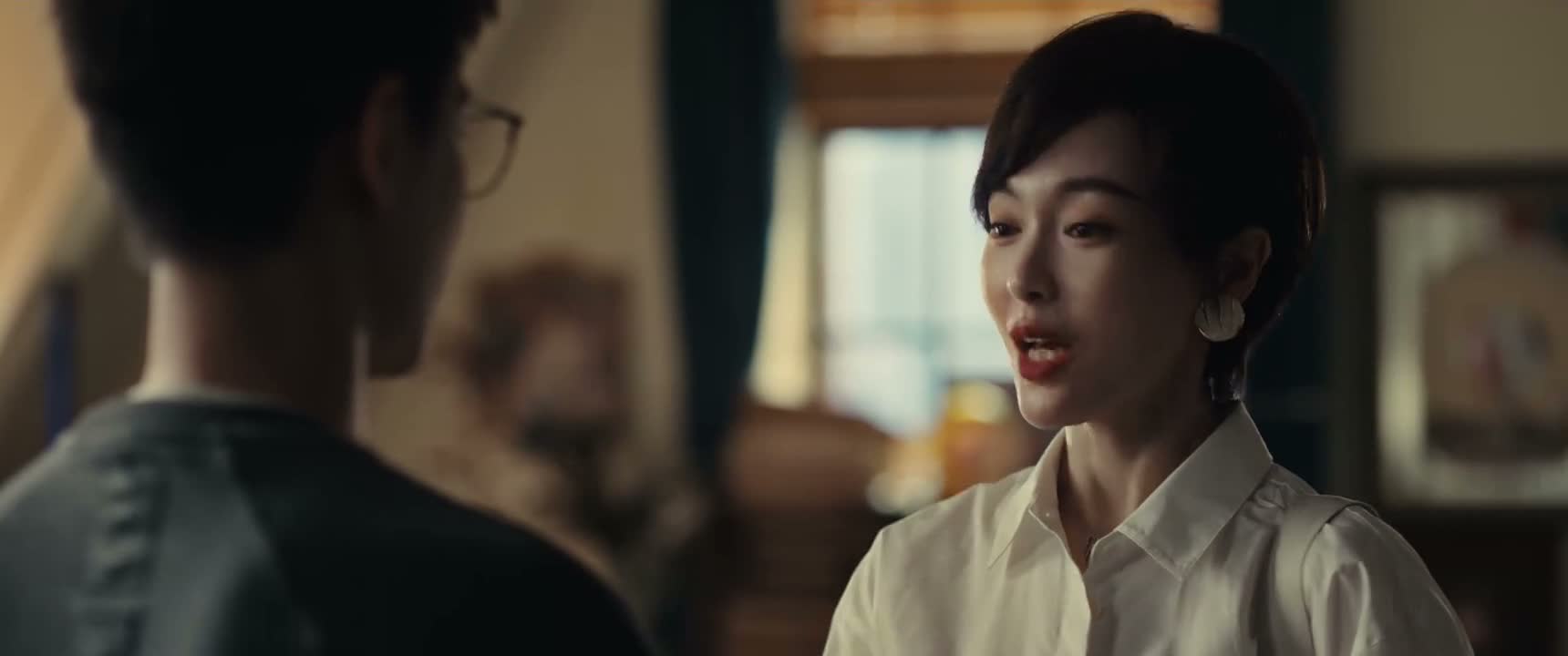
《Love Story in the 1970s》 S1·E14 (09:21) HSK 3
nǐ míng tiān hái shàng bān ne nǐ zǎo diǎn huí qù shuì ba bù xíng

你明天还上班呢 你早点回去睡吧 不行

“You have work tomorrow. Go back and sleep. No.”

《Love Story in the 1970s》 S1·E14
TIMECODE: 09:21 · 1080P MASTER AUDIO

THE DIALOGUE REEL

1+1+1 SPOKEN CONTINUITY
[-1] PREVIOUS TURN bù yòng

不用

“No need.”

nǐ míng tiān hái shàng bān ne nǐ zǎo diǎn huí qù shuì ba bù xíng CURRENT FOCUS

你 明天还上班呢 你早点 回去睡吧 不行

“You have work tomorrow. Go back and sleep. No.”

[+1] FOLLOW-UP TURN zán liǎ shì liǎng kǒu zi yào yì qǐ chéng dān

“We're husband and wife. We should share the burden.”

Subtitles synced to millisecond timecode Browse Show Clips →
Scene: Family & Home
Function: CARING INSISTENCE
Tone: TENDER
Emotion: CARING
WHAT THEY REALLY MEAN (PRAGMATIC SUBTEXT)

Direct spoken expression in this communicative setting.

💡 Cultural Insight: Mutual Spousal Care

Chinese couples often express love indirectly through practical consideration, such as worrying about the other partner's sleep schedule and workload.

INTENT TAGS: #caring #urging_rest #consideration #insistence
🧩

LEARNING CHUNKS & PARTICLES

2 CHUNKS · 2 PARTICLES
早点回去 SPOKEN CHUNK

go back earlier

A very common colloquial expression used to show care towards friends, family, or partners.

还上班呢 SPOKEN CHUNK

still have to work

Used as a justification for why someone needs to rest, leave early, or avoid staying up late.

Modal Particle「呢」 (ne) CHANGE OF STATE

Highlights an ongoing circumstance or duty to strengthen the speaker's reasoning.

Modal Particle「吧」 (ba) CHANGE OF STATE

Softens the imperative into a gentle suggestion or caring urge.

🏮

VOCABULARY & EXPRESSIONS

3 EXPR · 1 GRAMMAR
CROSS-CINEMA CORPUS BOARD · PARALLEL SCENES

Parallel Spoken Cinema Scenes (语义近邻切片)

EXPLORE BY SEMANTIC SIMILARITY
《Love Story in the 1970s》 S1·E14 (09:21) · Authentic Cinema Dialogue Corpus