MC
MandarinClips Cinema Corpus
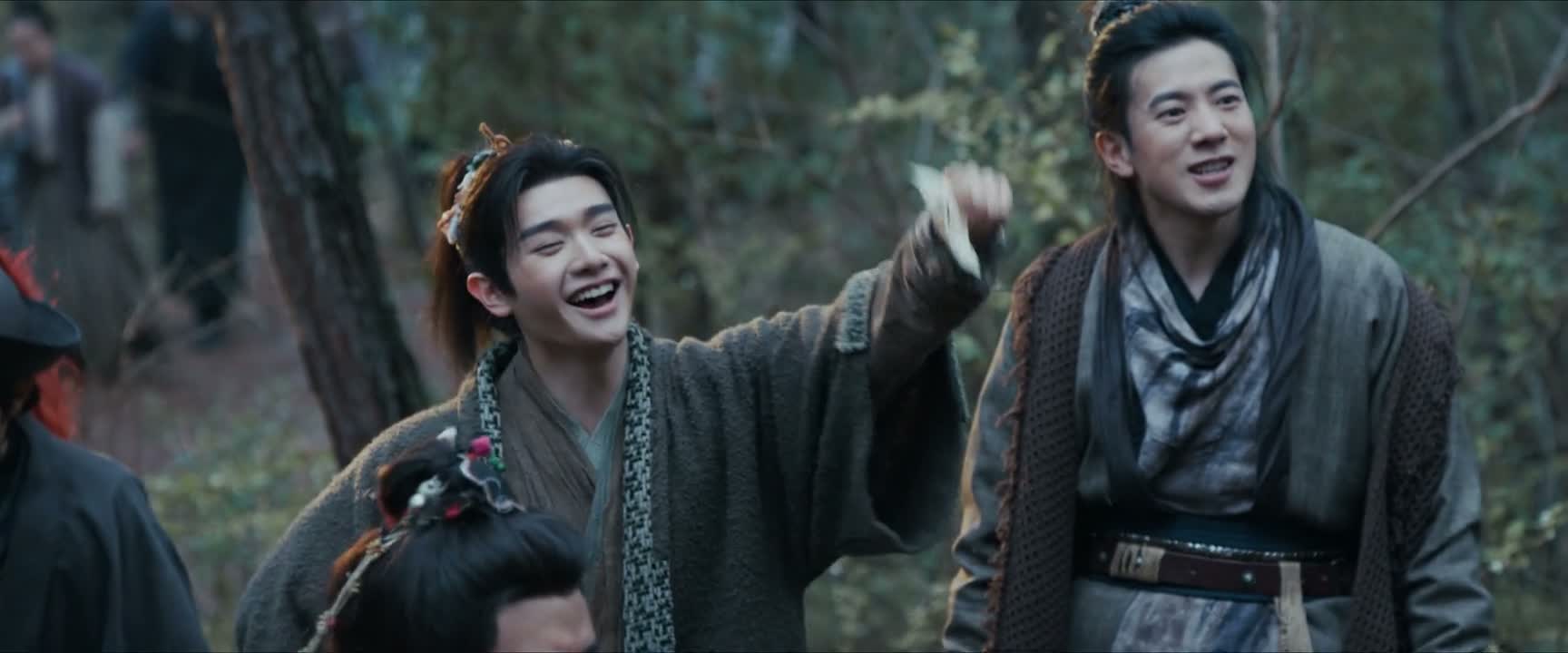
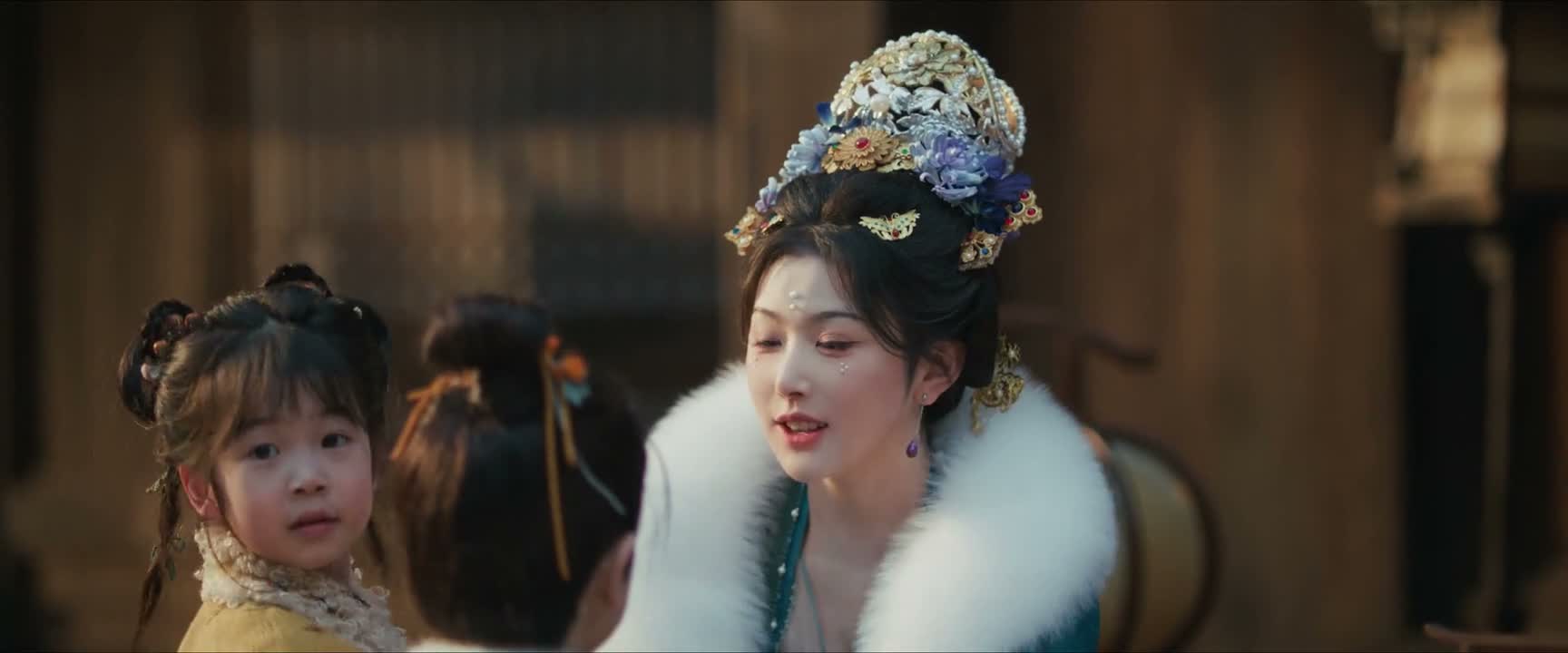
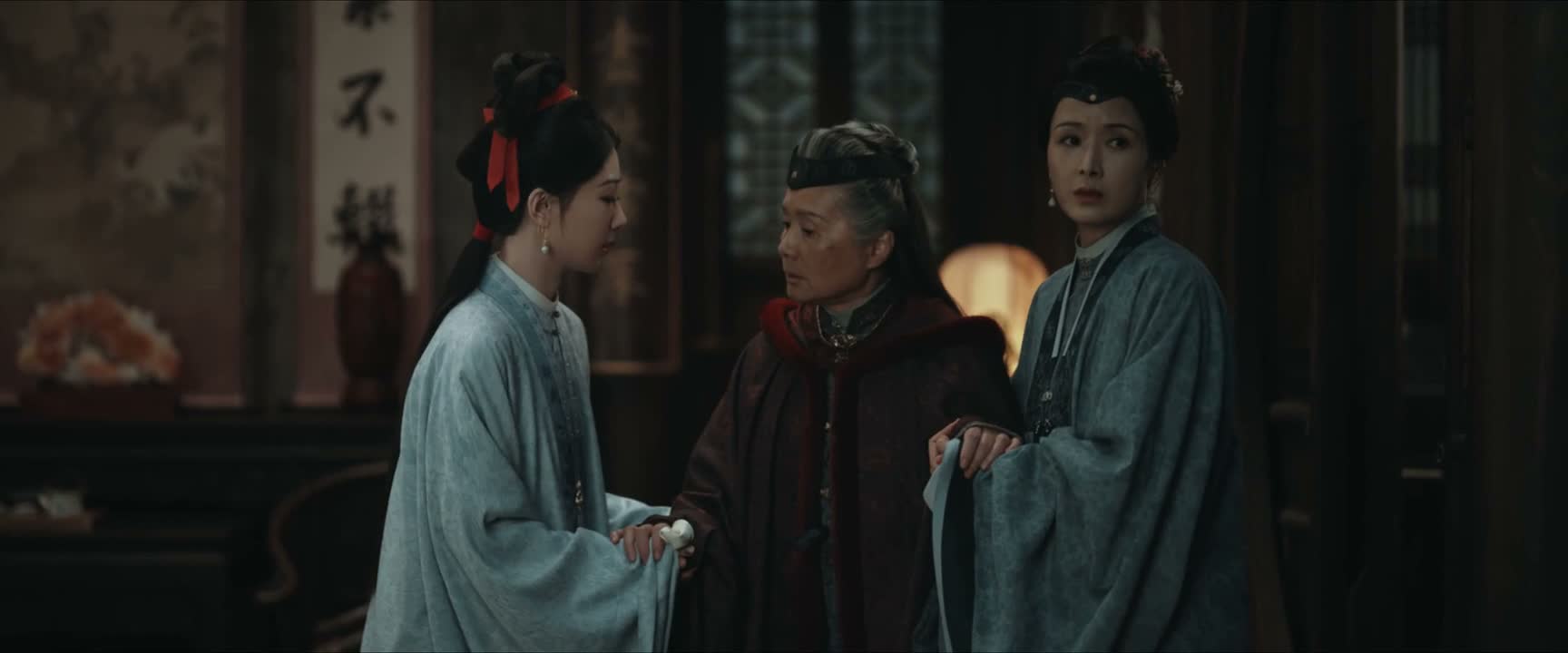
《Love Story in the 1970s》 S1·E14 (02:11) HSK 3
xíng yì qǐ qù yì qǐ qù yì qǐ qù qù wán qù ba

行 一起去 一起去 一起去 去 玩去吧

“- Sure. You can come together. - Me too. You can all come together. Go and play.”

《Love Story in the 1970s》 S1·E14
TIMECODE: 02:11 · 1080P MASTER AUDIO

THE DIALOGUE REEL

1+1+1 SPOKEN CONTINUITY
[-1] PREVIOUS TURN huān yíng huān yíng wāng ā yí wāng ā yí wǒ yě xiǎng qù nǐ jiā kàn diàn shì

“Everyone's welcome. Ms. Wang, I want to watch TV at your place, too.”

xíng yì qǐ qù yì qǐ qù yì qǐ qù qù wán qù ba CURRENT FOCUS

行 一起去 一起去 一起去 去 玩去吧

“- Sure. You can come together. - Me too. You can all come together. Go and play.”

[+1] FOLLOW-UP TURN xīn mǎi de fèi ní a

新买的 费霓啊

“You bought a new cabinet? Fei Ni.”

Subtitles synced to millisecond timecode Browse Show Clips →
Scene: Daily Life
Function: GRANTING PERMISSION
Tone: INDULGENT AND CORDIAL
Emotion: JOY
WHAT THEY REALLY MEAN (PRAGMATIC SUBTEXT)

Direct spoken expression in this communicative setting.

💡 Cultural Insight: Danwei Community Kinship

In Chinese work-unit compounds, adults commonly treated neighbors' children like extended family, addressing elders as auntie (A-yi) and granting easy access to household fun.

INTENT TAGS: #permission #inclusion #warmth #hospitality
🧩

LEARNING CHUNKS & PARTICLES

2 CHUNKS · 1 PARTICLES
一起去 SPOKEN CHUNK

Let's go together

A friendly phrase used to include others in an activity or destination.

玩去吧 SPOKEN CHUNK

Go have fun / Go play

A common colloquial phrase used by adults to affectionately dismiss children so they can enjoy themselves.

Modal Particle「吧」 (ba) CHANGE OF STATE

Softens the command into a gentle, encouraging permission.
🏮

VOCABULARY & EXPRESSIONS

2 EXPR · 0 GRAMMAR
CROSS-CINEMA CORPUS BOARD · PARALLEL SCENES

Parallel Spoken Cinema Scenes (语义近邻切片)

EXPLORE BY SEMANTIC SIMILARITY
《Love Story in the 1970s》 S1·E14 (02:11) · Authentic Cinema Dialogue Corpus