我不爱欺负人
“I don't like to bully people.”
THE DIALOGUE REEL
我跟你说啊
“let me tell you,”
我不爱 欺负人
“I don't like to bully people.”
我看你那个委屈样
“Seeing how aggrieved you look”
“Stop acting like a victim; you know I'm actually going easy on you.”
In close Chinese relationships, playfully claiming moral superiority or accusing the other of playing the victim is a common form of affectionate teasing.
LEARNING CHUNKS & PARTICLES
dislike doing; not prone to
A colloquial northern spoken phrasing meaning 'not fond of doing something' or 'not habitually inclined to'.
bully or pick on someone
Commonly used in both serious complaints of unfair treatment and playful, flirtatious teasing.
VOCABULARY & EXPRESSIONS
Parallel Spoken Cinema Scenes (语义近邻切片)

“I don't like people hurting me.”
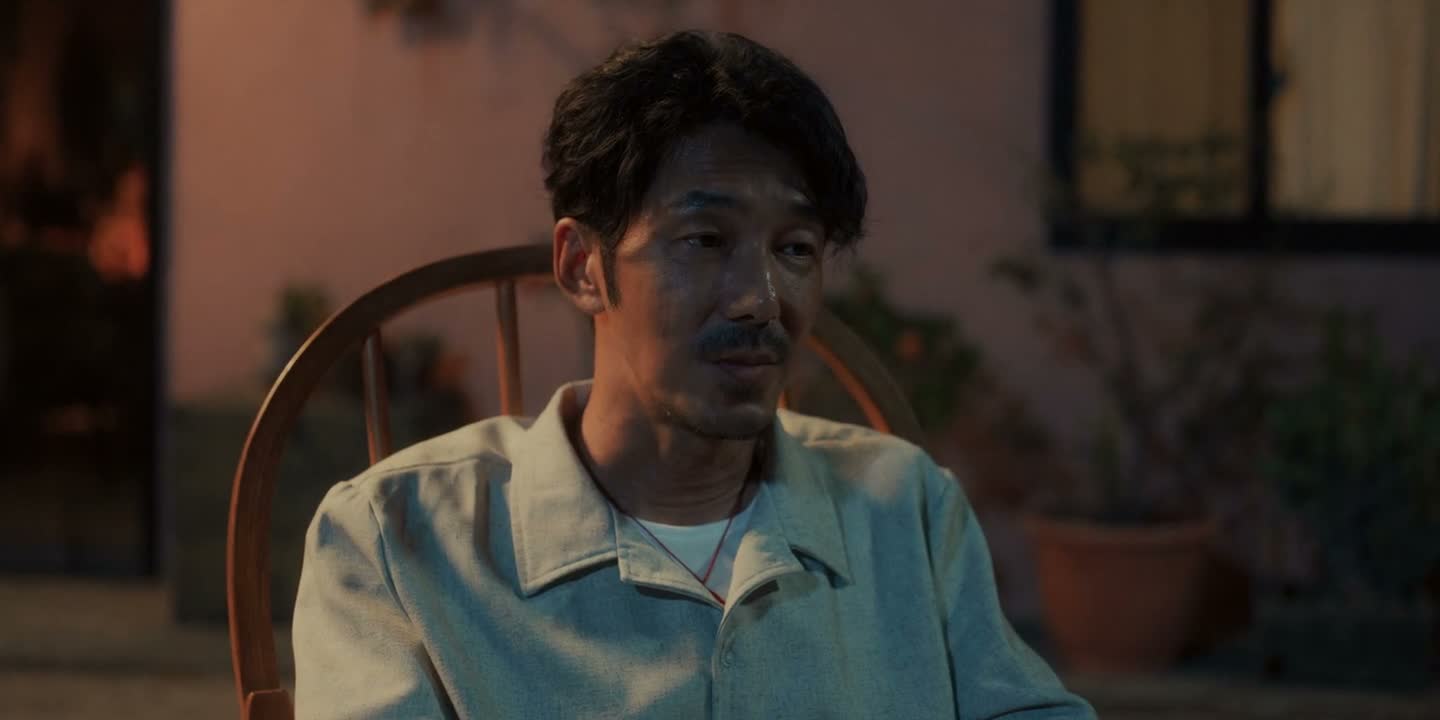
“He's never liked being forced to do things since he was a kid.”

“Hey, just because you don't like it, doesn't mean you can bully it. Look at you, being all kind.”

“I just don't like being used.”
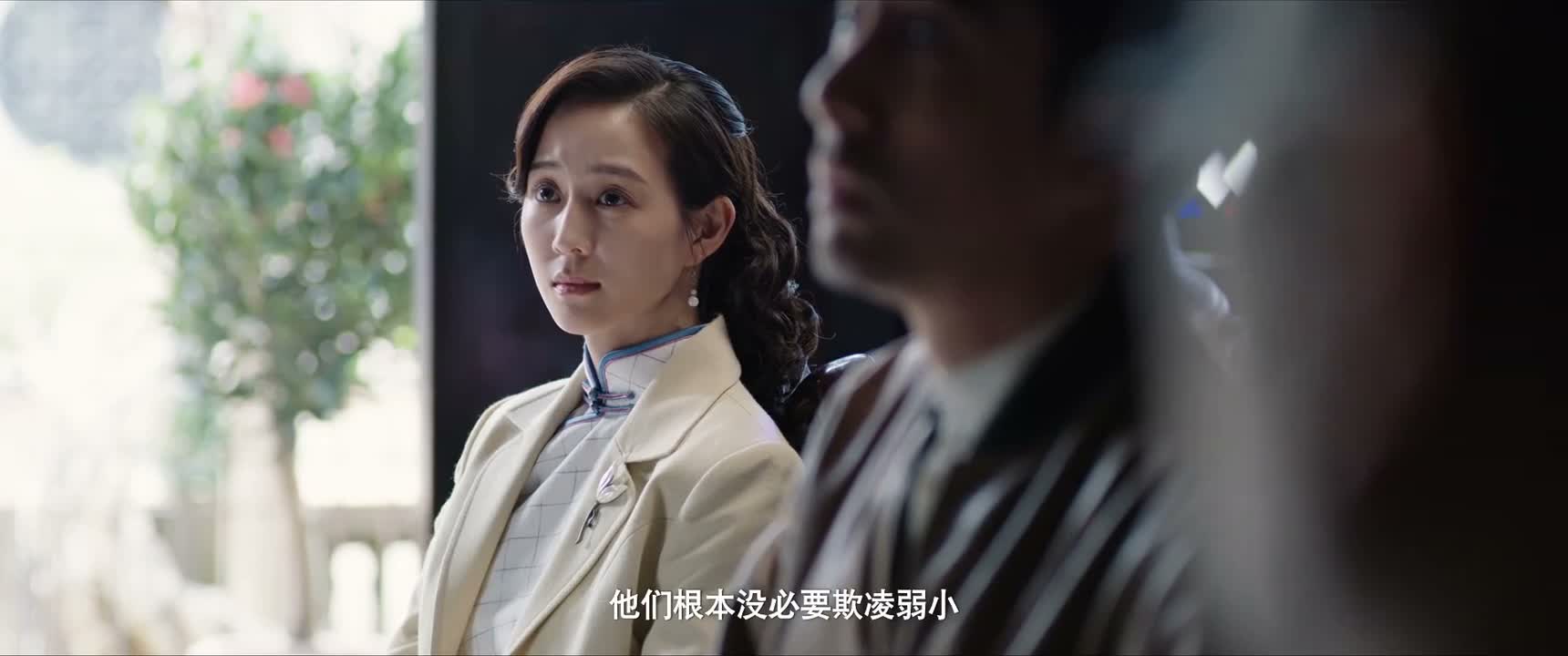
“They have no need to bully the weak.”

“I don't like people touching my things.”