我哪知道谁拍的呀
“How would I know who took it?”
THE DIALOGUE REEL
“Wait, are you still suffering memory loss? How many times do I have to say it?”
我哪知道 谁拍的呀
“How would I know who took it?”
反正不管谁拍的 造我们的谣一点意义都没有
“Anyway, no matter who did, there's no point in spreading rumors about us.”
“Stop interrogating me, I am just as clueless and frustrated as you are!”
Using '哪' to form rhetorical questions is a prevalent spoken Chinese strategy to deny accusations emphatically while expressing emotional exasperation.
LEARNING CHUNKS & PARTICLES
How would I know? / I have no clue
A very common colloquial rhetorical phrase used to deny knowledge while showing slight irritation.
Softens the rhetorical question slightly while amplifying the sense of helplessness and exasperation.
VOCABULARY & EXPRESSIONS
Parallel Spoken Cinema Scenes (语义近邻切片)

“But who took this photo? I...”

“So, why do you have it?”

“[Hsin-ping] Where did you get it from?”
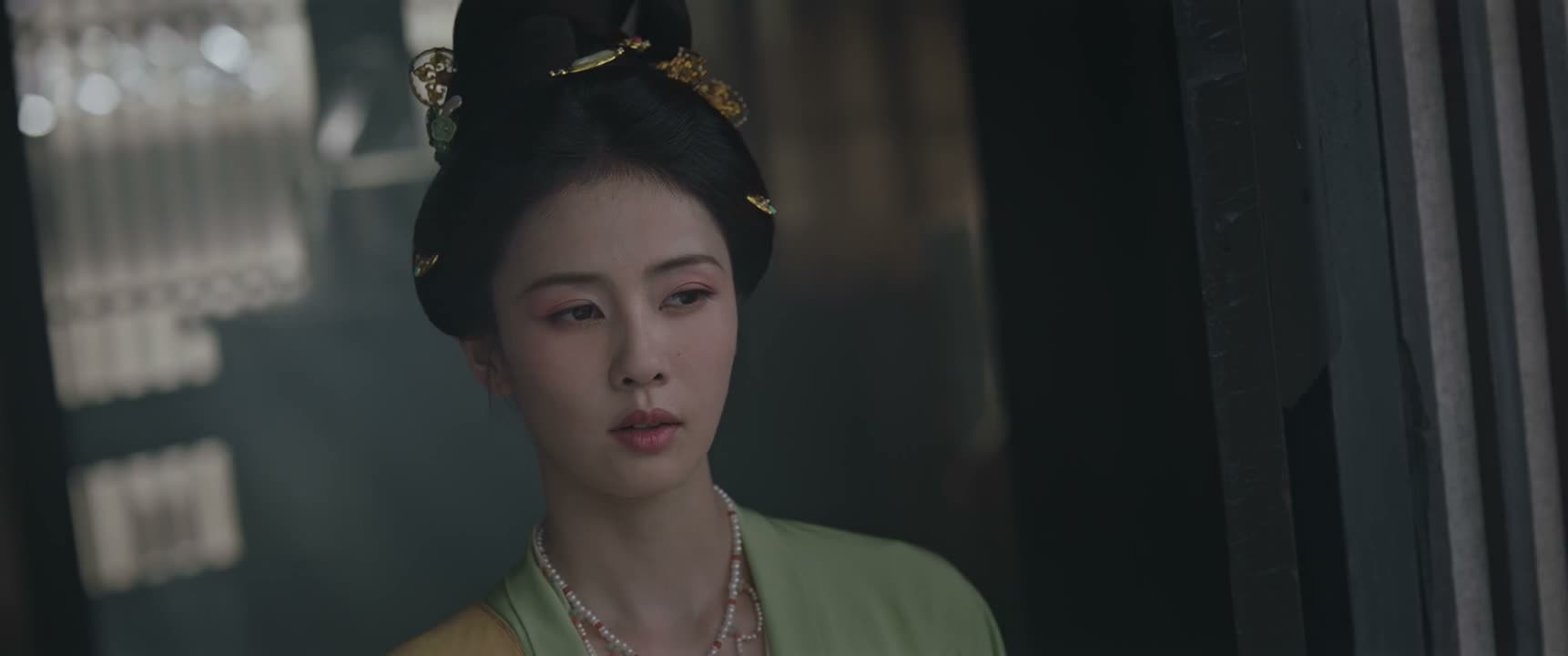
“I have a rough idea who it is.”
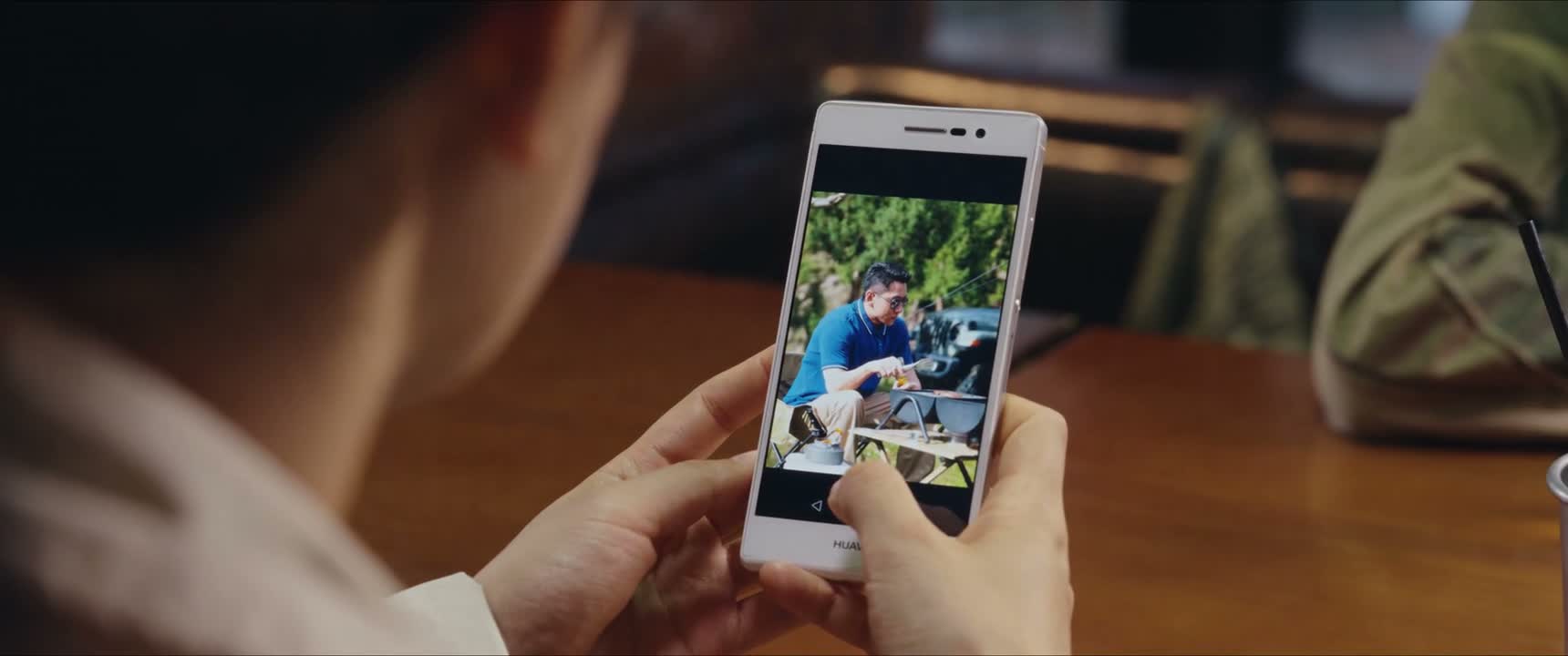
“Who is he? Do I know him?”
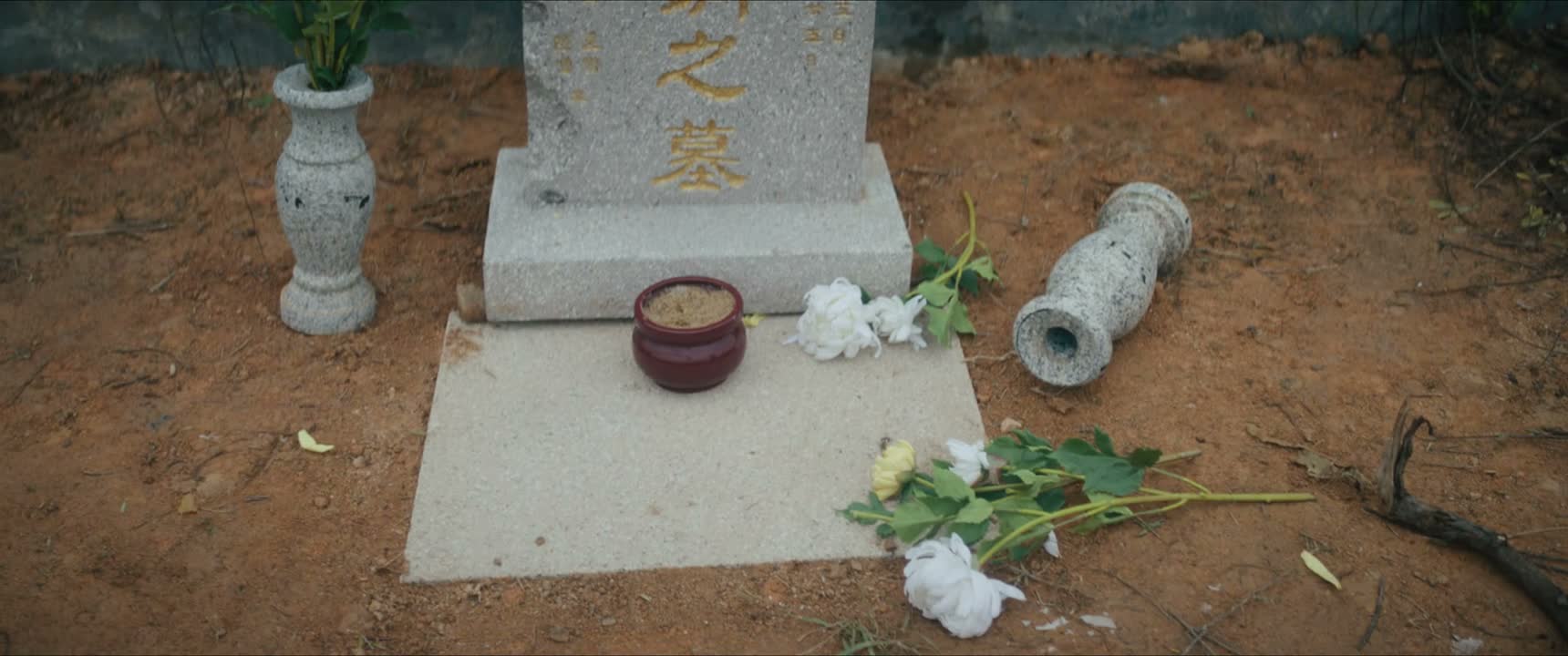
“[Tomb of Xia Gang, a loving father] Who did this?”