这谁干的呀
“[Tomb of Xia Gang, a loving father] Who did this?”
THE DIALOGUE REEL
这墓碑怎么
“[Tomb of Xia Gang, a loving father] What happened to the tombstone?”
这 谁干的 呀
“[Tomb of Xia Gang, a loving father] Who did this?”
缺德
“It's messed up.”
“Who could do something so wicked and shameless?”
In Chinese culture, desecrating or damaging a tombstone is considered deeply taboo and unfilial, often described as 'lacking moral virtue' (que de).
LEARNING CHUNKS & PARTICLES
who did this
A highly frequent colloquial expression used to express exasperation, disbelief, or anger upon discovering damage or a mess.
Softens the acoustic onset after a vowel while amplifying emotional shock and disbelief in an exclamation or rhetorical question.
VOCABULARY & EXPRESSIONS
Parallel Spoken Cinema Scenes (语义近邻切片)

“Who did it? Did you see?”
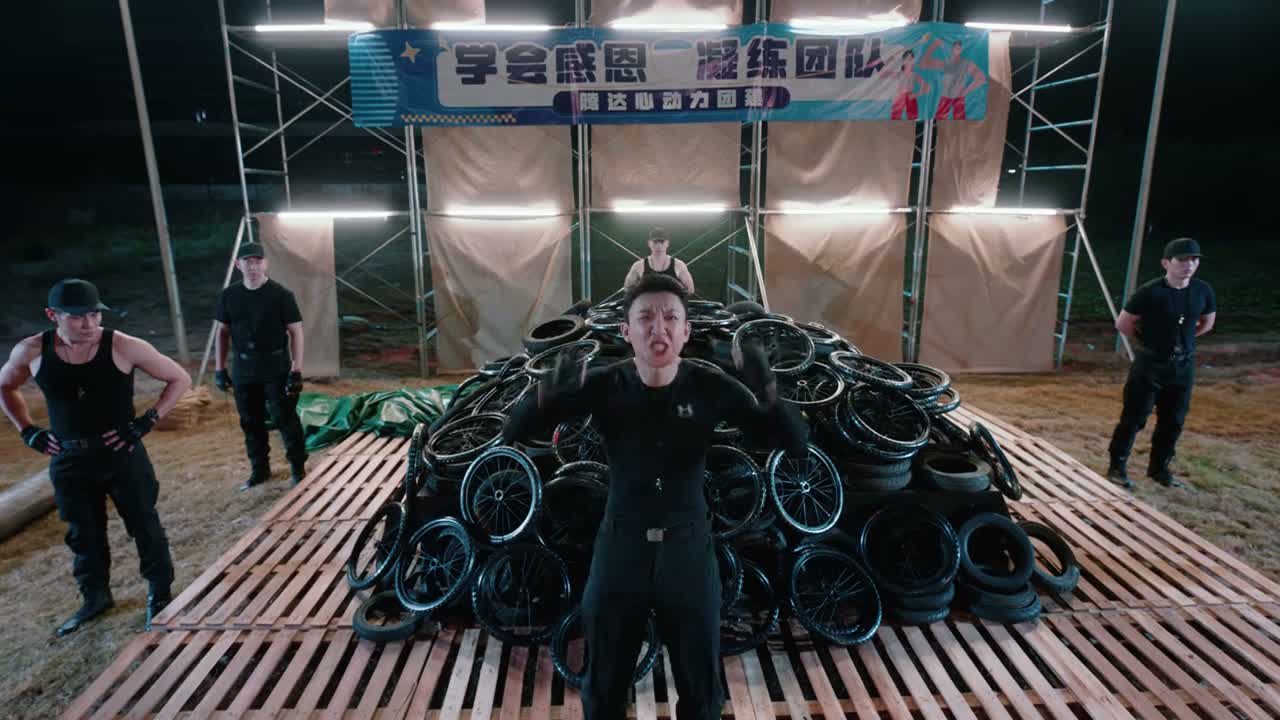
“Who did this?”

“Who was the last person in Sanjiangkou to mess with me?”

“Who threw this banana peel?”

“and jars? I bought every single one.”