下什么楼啊 我给你做饭 一句话的事
“Why go downstairs? I can cook for you. It's no trouble.”
THE DIALOGUE REEL
别呀
“Don't.”
下 什么 楼啊 我给你做 饭 一句话的事
“Why go downstairs? I can cook for you. It's no trouble.”
“You don't need to do anything. I'll bring it to your room when it's ready.”
“Don't bother going out—I'll take care of you, it's no trouble at all.”
In Chinese domestic relationships, actively offering to cook and deliver food is a primary emotional expression of nurturing and devotion.
LEARNING CHUNKS & PARTICLES
why go downstairs / don't bother going downstairs
The rhetorical construction '[Verb] + 什么 + [Noun]' emphatically rejects the necessity of doing the action.
as easy as asking / a piece of cake / no trouble at all
Used idiomatically to show that granting a favor requires minimal effort and is gladly done.
Reinforces the rhetorical rejection while keeping the mood warm and casual.
VOCABULARY & EXPRESSIONS
Parallel Spoken Cinema Scenes (语义近邻切片)

“Let's go upstairs. Stay for dinner. No, no.”

“Where's the kitchen? I'll take you there.”
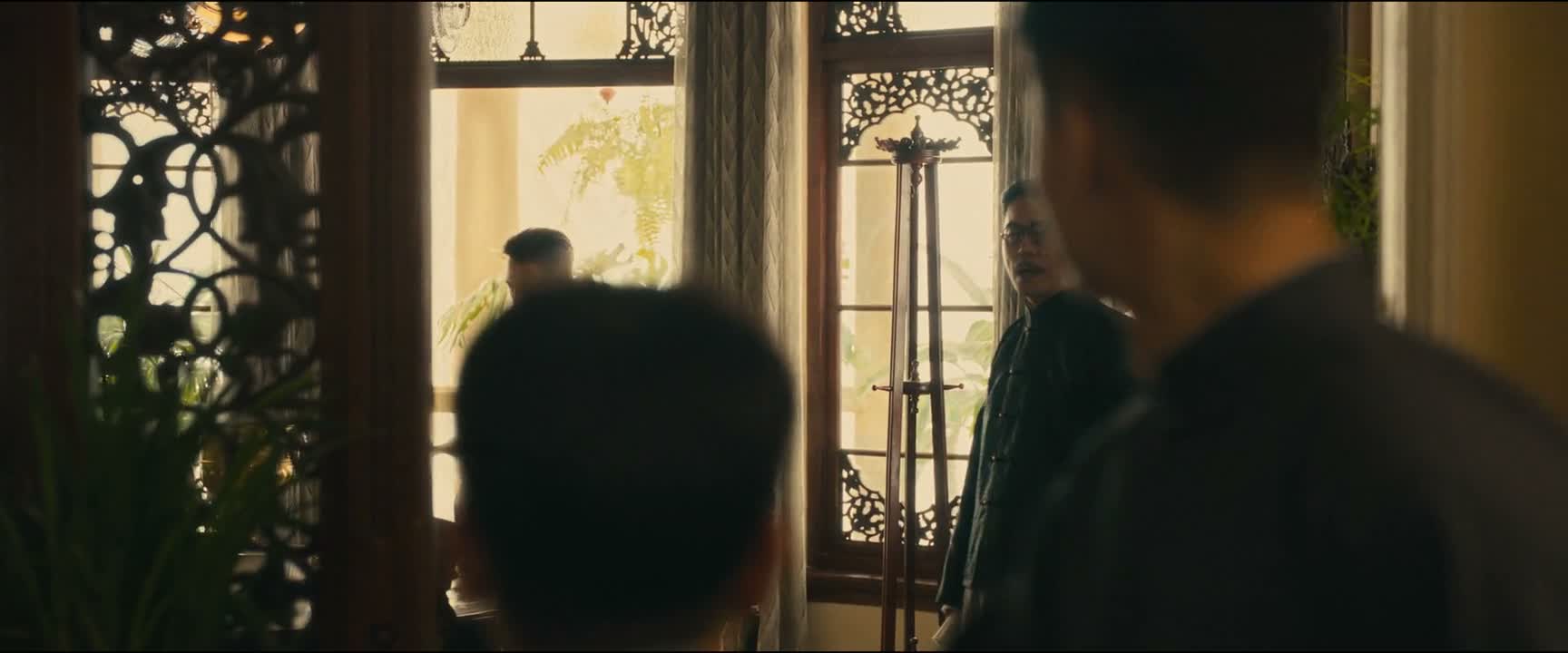
“Nonsense. Isn't there a row of small houses are all for the servants.”

“What? Did you buy this building?”

“Who cares, you're losing anyway.”

“But the rooms upstairs are full.”