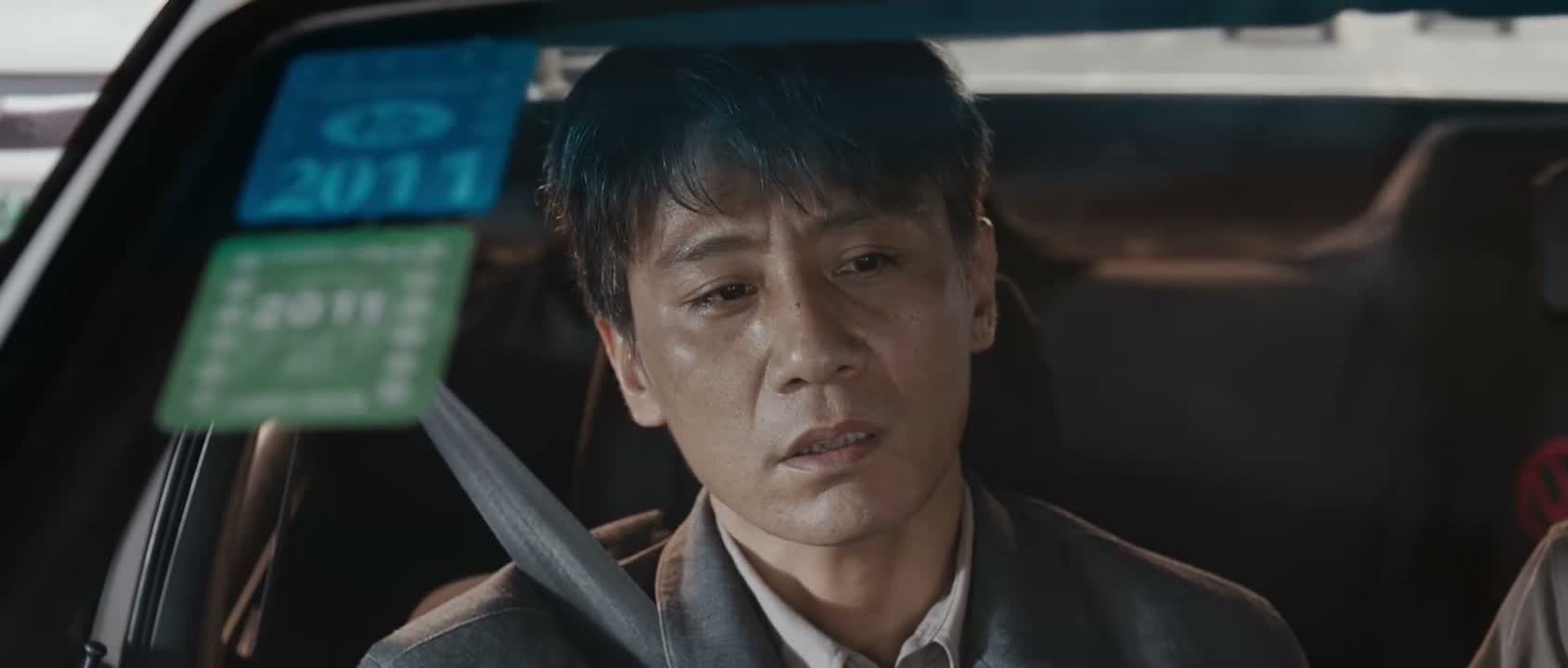
《Cage of Shadows》 S1·E3 (01:49)
HSK 5
dōu guài tā zì jǐ kuáng wàng zì dà
都怪他自己狂妄自大
“It's his own arrogance to blame.”
《Cage of Shadows》
S1·E3
TIMECODE: 01:49
·
1080P MASTER AUDIO
THE DIALOGUE REEL
[-1] PREVIOUS TURN
yě yī tóng xiāo huǐ le
也一同销毁了
“they've been disposed of as well.”
dōu guài tā zì jǐ kuáng wàng zì dà
CURRENT FOCUS
都怪 他 自己 狂妄自大
“It's his own arrogance to blame.”
[+1] FOLLOW-UP TURN
jìng bù zhī dào dé zuì de shì shén me rén
竟不知道得罪的是什么人
“He didn't even know who he offended.”
Subtitles synced to millisecond timecode
Browse Show Clips →
Scene:
Crisis & Conflict
Function:
APPORTIONING BLAME
Tone:
CONDEMNATORY AND UNSYMPATHETIC
Emotion:
DISDAIN
WHAT THEY REALLY MEAN (PRAGMATIC SUBTEXT)
“He brought this disaster on himself by overestimating his own importance.”
💡 Cultural Insight: Hubris and Retribution
Traditional Chinese culture strongly cautions against excessive pride and failing to know one's place in social hierarchies, viewing hubris as the root cause of inevitable self-destruction.
INTENT TAGS:
#blaming
#condemnation
#justification
#dismissal
🧩
2 CHUNKS · 0 PARTICLES
LEARNING CHUNKS & PARTICLES
狂妄自大
SPOKEN CHUNK
arrogant and overbearing; conceit
A formal four-character idiom (chengyu) frequently employed in spoken language to strongly criticize hubris and inflated self-worth.
都怪
SPOKEN CHUNK
it is entirely due to / all to blame on
Used to place the blame directly onto a specific person, behavior, or external factor.
🏮
3 EXPR · 3 GRAMMAR
VOCABULARY & EXPRESSIONS
COLLOQUIAL EXPRESSIONS:
CROSS-CINEMA CORPUS BOARD · PARALLEL SCENES
EXPLORE BY SEMANTIC SIMILARITY
Parallel Spoken Cinema Scenes (语义近邻切片)

《Cage of Shadows》 S1·E3 (01:49) · Authentic Cinema Dialogue Corpus