《Lady Liberty》 S1·E7 (07:24)
HSK 7
kǔ kǔ dì āi qiú zhǐ yǒu yǐ lèi xǐ miàn
苦苦地哀求 只有以泪洗面
“(But after all the begging,) (pleading, and crying,)”
《Lady Liberty》
S1·E7
TIMECODE: 07:24
·
1080P MASTER AUDIO
THE DIALOGUE REEL
[-1] PREVIOUS TURN
kě shì zhè yàng
可是这样
“(But after all the begging,)”
kǔ kǔ dì āi qiú zhǐ yǒu yǐ lèi xǐ miàn
CURRENT FOCUS
苦苦地哀求 只有 以泪洗面
“(But after all the begging,) (pleading, and crying,)”
[+1] FOLLOW-UP TURN
nà jié guǒ jiù shì
那结果就是
“(in the end...)”
Subtitles synced to millisecond timecode
Browse Show Clips →
Scene:
Daily Life
Function:
NARRATING
Tone:
DRAMATIC
Emotion:
SADNESS
WHAT THEY REALLY MEAN (PRAGMATIC SUBTEXT)
“They were reduced to utter misery and humiliating pleas, crying nonstop.”
💡 Cultural Insight: Dramatic Chengyu in Storytelling
Even in casual Chinese conversations, speakers frequently invoke literary idioms like '以泪洗面' to add dramatic weight or vivid imagery when recounting tragic events.
INTENT TAGS:
#dramatizing
#narrating
#emphasizing_suffering
#storytelling
🧩
2 CHUNKS · 0 PARTICLES
LEARNING CHUNKS & PARTICLES
苦苦地哀求
SPOKEN CHUNK
begging bitterly; pleading desperately
A dramatic literary collocation commonly used in storytelling to emphasize earnest, humiliating pleading.
以泪洗面
SPOKEN CHUNK
to wash one's face with tears; to weep copiously day and night
A traditional four-character idiom (chengyu) describing constant, profound grief.
🏮
2 EXPR · 0 GRAMMAR
VOCABULARY & EXPRESSIONS
COLLOQUIAL EXPRESSIONS:
CROSS-CINEMA CORPUS BOARD · PARALLEL SCENES
EXPLORE BY SEMANTIC SIMILARITY
Parallel Spoken Cinema Scenes (语义近邻切片)
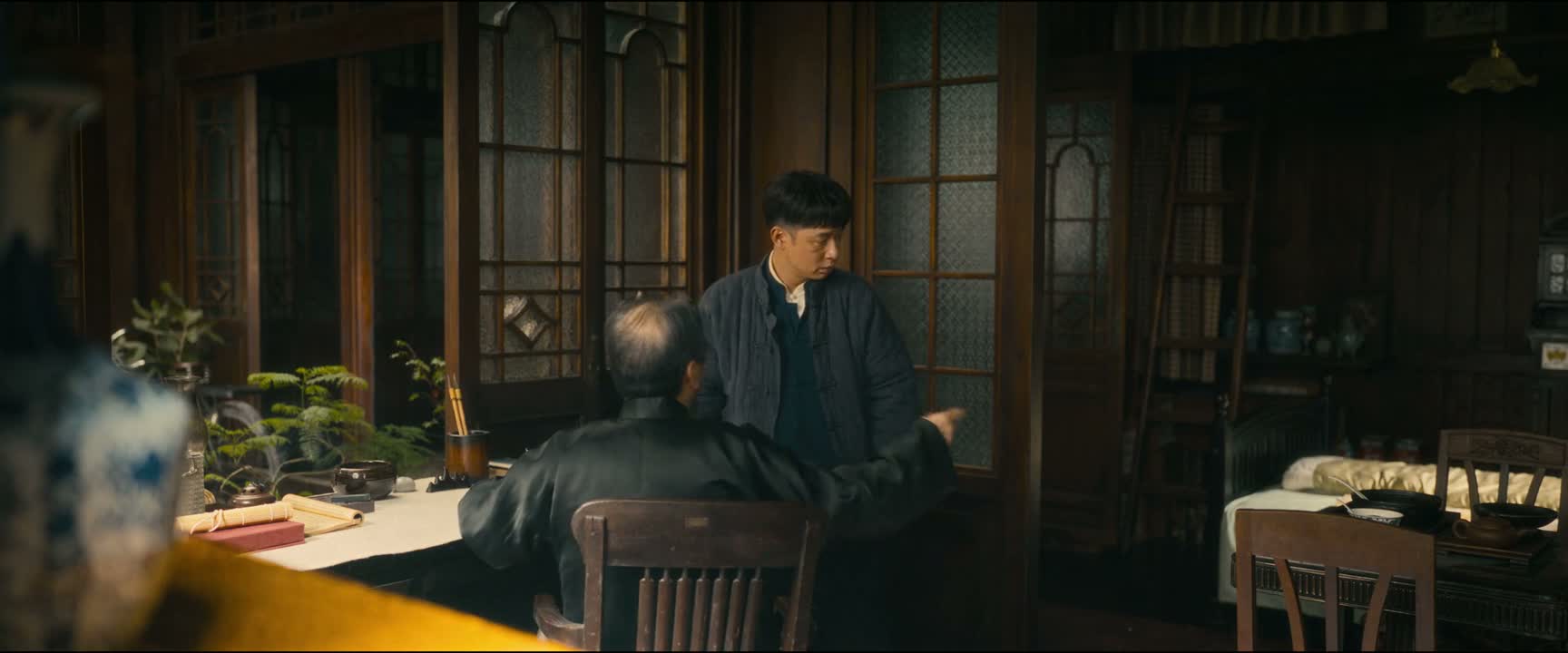
《Lady Liberty》 S1·E7 (07:24) · Authentic Cinema Dialogue Corpus