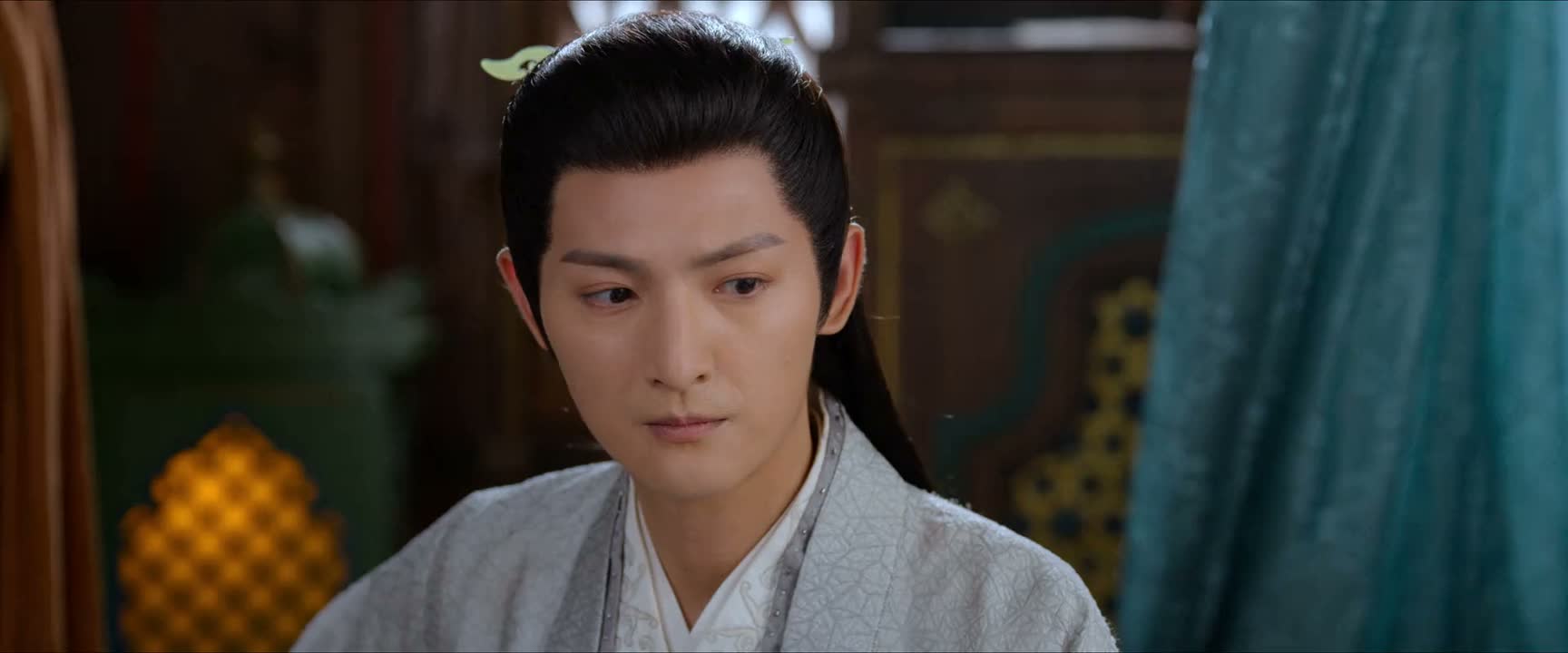
《The Dream Maker》 S1·E25 (18:05)
HSK 7
nǐ hái zhēn shì bù pàn zhe wǒ diǎn hǎo a
你还真是 不盼着我点好啊
“You really don't wish me well, do you?”
《The Dream Maker》
S1·E25
TIMECODE: 18:05
·
1080P MASTER AUDIO
THE DIALOGUE REEL
[-1] PREVIOUS TURN
nà bú shì nà nǐ zhè huà shuō de nǐ yào bèi zhuā qǐ lái le
“Wait. Are you saying you're going to get arrested?”
nǐ hái zhēn shì bù pàn zhe wǒ diǎn hǎo a
CURRENT FOCUS
你 还真是 不盼着我点好 啊
“You really don't wish me well, do you?”
[+1] FOLLOW-UP TURN
bú shì wǒ zǎo jiù gēn nǐ shuō le zài wài miàn gàn shì bié lǎo dé zuì rén
“No, I told you before, don't make enemies out there.”
Subtitles synced to millisecond timecode
Browse Show Clips →
Scene:
Social & Dating
Function:
PLAYFUL REPROACH
Tone:
TEASING
Emotion:
ANNOYANCE
WHAT THEY REALLY MEAN (PRAGMATIC SUBTEXT)
“Why are you jinxing me instead of backing me up?”
💡 Cultural Insight: Taboo of Inauspicious Speech (Jihui)
Chinese conversational culture strongly disfavors voicing catastrophic possibilities, as speaking ill fortune aloud is perceived as wishing it or inviting bad luck.
INTENT TAGS:
#reproaching
#deflection
#teasing
#banter
🧩
1 CHUNKS · 1 PARTICLES
LEARNING CHUNKS & PARTICLES
不盼着我点好
SPOKEN CHUNK
wishing ill upon me / not wishing good things for me
A very colloquial spoken idiom used to tease or lightly reprimand close friends or family when they anticipate negative outcomes.
Modal Particle「啊」 (a)
CHANGE OF STATE
Softens the rhetorical accusation into a playful complaint rather than a hostile argument.
🏮
2 EXPR · 0 GRAMMAR
VOCABULARY & EXPRESSIONS
COLLOQUIAL EXPRESSIONS:
CROSS-CINEMA CORPUS BOARD · PARALLEL SCENES
EXPLORE BY SEMANTIC SIMILARITY
Parallel Spoken Cinema Scenes (语义近邻切片)

《The Dream Maker》 S1·E25 (18:05) · Authentic Cinema Dialogue Corpus