那弟弟到姐姐家里吃饭 不需要理由
“When a brother eats at his sister's house, he doesn't need an excuse.”
THE DIALOGUE REEL
行客不是叫你姐姐吗
“He calls you big sister, right?”
那弟弟到 姐姐 家里 吃饭 不需要理由
“When a brother eats at his sister's house, he doesn't need an excuse.”
谢谢爸
“Thanks, Dad!”
Direct spoken expression in this communicative setting.
Within close Chinese kin networks, rigid boundaries and formal politeness (keqi) can signal emotional distance; eating together freely without special pretexts signifies authentic affection.
LEARNING CHUNKS & PARTICLES
come over to someone's home for a meal
A quintessential gesture of hospitality and kinship bonding in Chinese daily culture.
requires no reason; goes without saying
Used to convey unreserved warmth, generosity, and effortless intimacy.
VOCABULARY & EXPRESSIONS
Parallel Spoken Cinema Scenes (语义近邻切片)
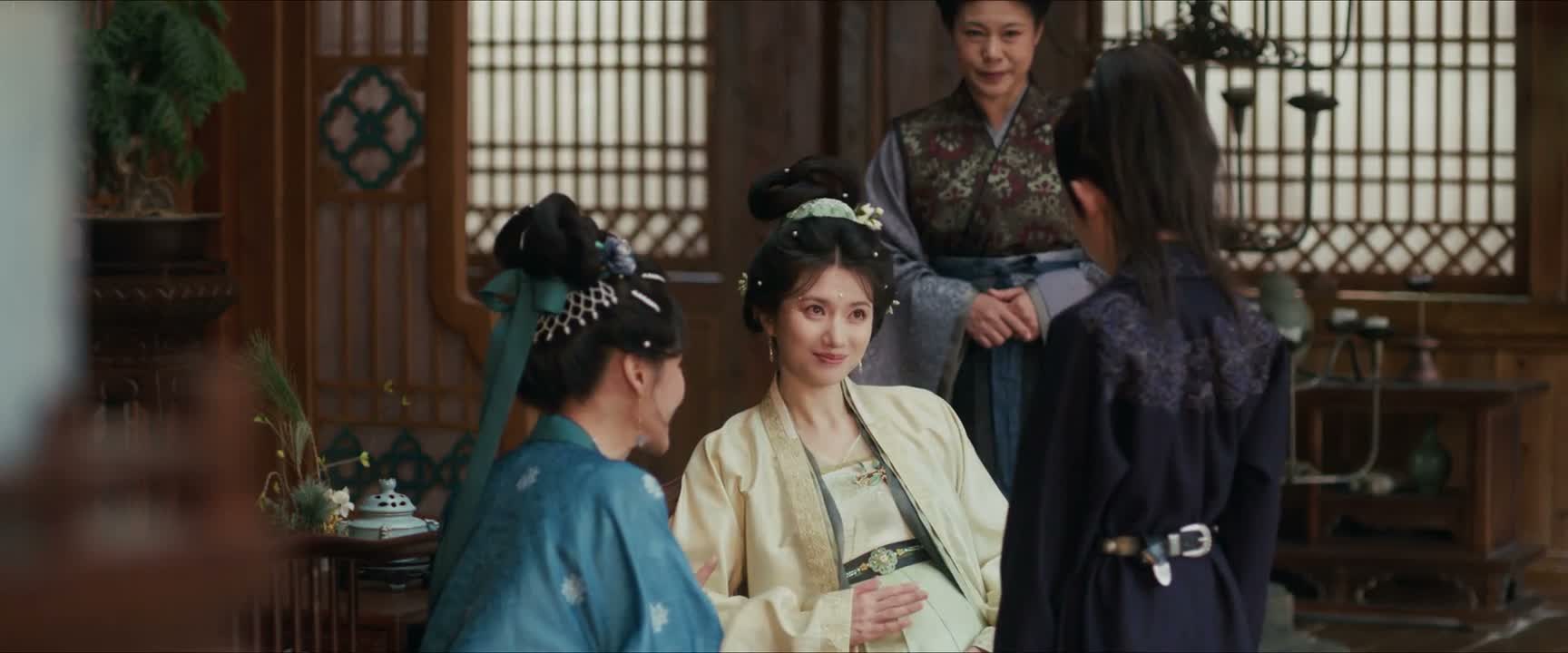
“carrying a boy or a girl?”

“My younger brother didn't draw a line with them.”

“If I hadn't found my brother, that would be one thing.”

“just make sure they can make a living.”

“As Zhen's elder brother, how could you not let her try it first?”

“It's not that I don't want to take you home.”