我咋一辈子都欠你的呀
“How did I end up owing you for a lifetime?”
THE DIALOGUE REEL
没办法完成 咱俩当年的约定了
“I can't fulfill the promise we made back then.”
我咋 一辈子都欠你的 呀
“How did I end up owing you for a lifetime?”
妈
“Mom, I brought the food.”
“I have sacrificed everything for you my whole life, yet you still demand more and let me down.”
Chinese parents often frame their lifelong caretaking as an unpaid karmic debt ('欠债'), using this metaphor to evoke filial guilt when disappointed by their children.
LEARNING CHUNKS & PARTICLES
a whole lifetime / all one's life
Commonly placed before verbs to dramatically emphasize the endless duration of a hardship or commitment.
to owe you
Frequently used rhetorically in familial or romantic contexts to express feeling unfairly exploited or burdened.
Softens the rhetorical question into a dramatic, sigh-like lament, emphasizing sorrow over pure hostility.
VOCABULARY & EXPRESSIONS
Parallel Spoken Cinema Scenes (语义近邻切片)

“I must have owed you anything in my previous life.”

“I really owe you in my previous life.”
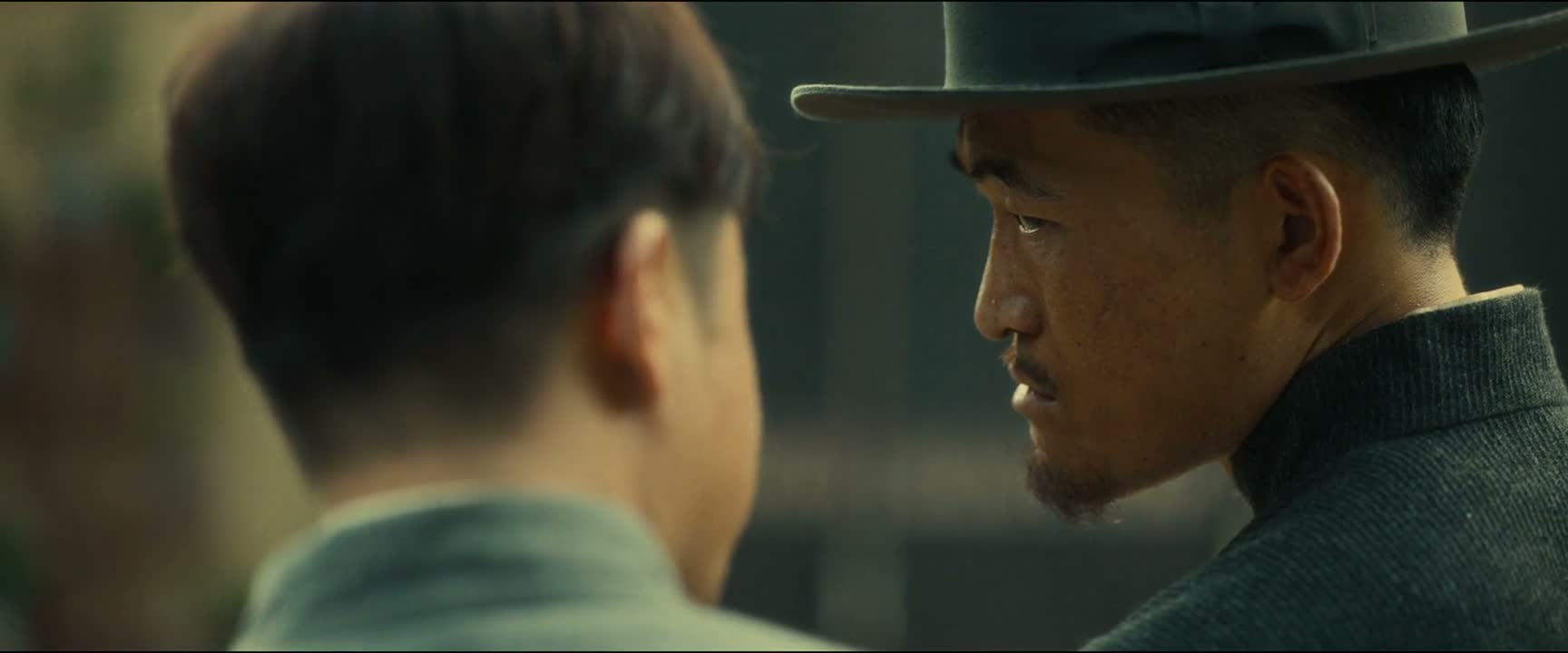
“Did I owe you in a past life or this one?”

“Just deduct it slowly. You can't ruin my whole life.”