我上辈子欠你还是这辈子欠你的
“Did I owe you in a past life or this one?”
THE DIALOGUE REEL
逼着我帮你杀人放火 我凭什么呀 我欠你的
“forcing me to help you murder and commit arson. Why should I? Do I owe you?”
我 上辈子欠你 还是 这辈子 欠你的
“Did I owe you in a past life or this one?”
来 你开枪 开枪打死我 你要是不敢开枪
“Come on, shoot. Shoot me. If you don't dare to shoot,”
“I don't owe you a damn thing, stop treating me like your disposable pawn!”
Rooted in Buddhist concepts of karma, Chinese speakers often refer to owing someone from a previous life (上辈子欠你的) to explain irrational tolerance or excessive exploitation in relationships.
LEARNING CHUNKS & PARTICLES
owe you / indebted to you
Commonly used in rhetorical questions to express extreme frustration when someone feels unfairly taken advantage of.
past life / previous reincarnation
Frequently invoked colloquially to express an inexplicable burden or deep karmic entanglement with someone.
Placed at the end of the sentence to give an assertive, emphatic tone to the rhetorical question.
VOCABULARY & EXPRESSIONS
Parallel Spoken Cinema Scenes (语义近邻切片)

“I really owe you in my previous life.”
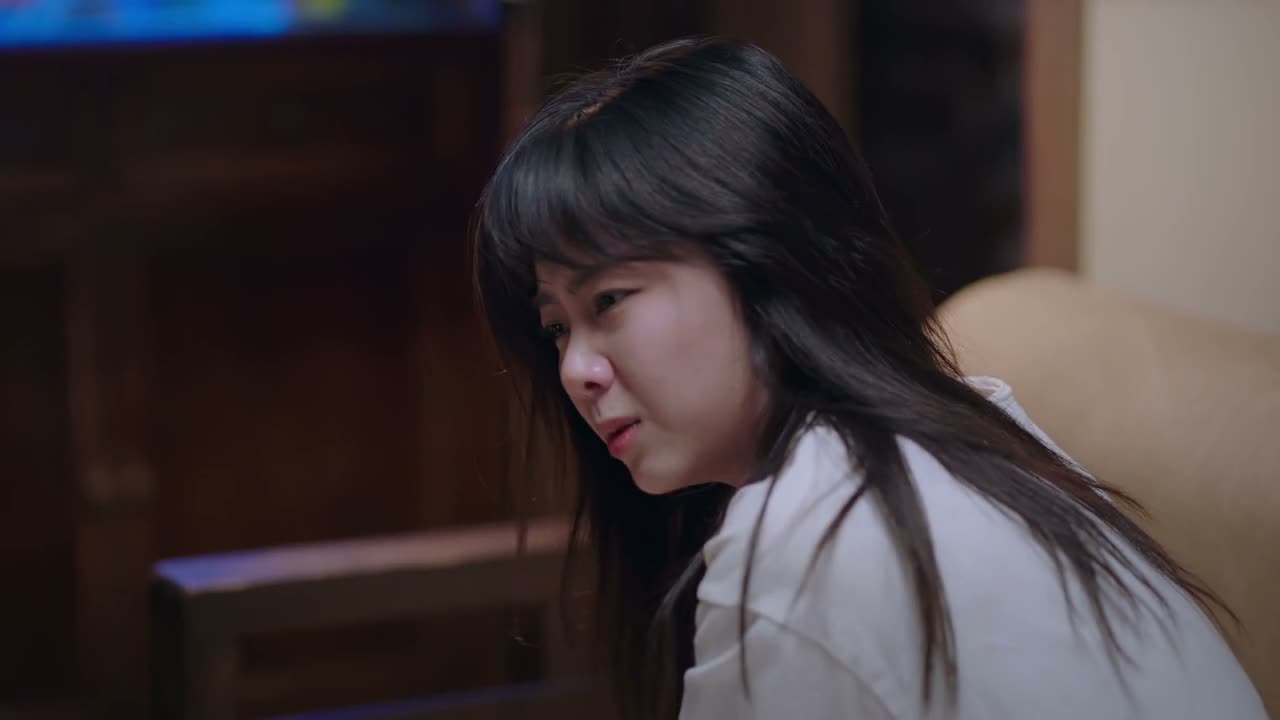
“I must have owed you anything in my previous life.”

“How did I end up owing you for a lifetime?”