《The Glamorous Night》 S1·E16 (09:15)
HSK 2
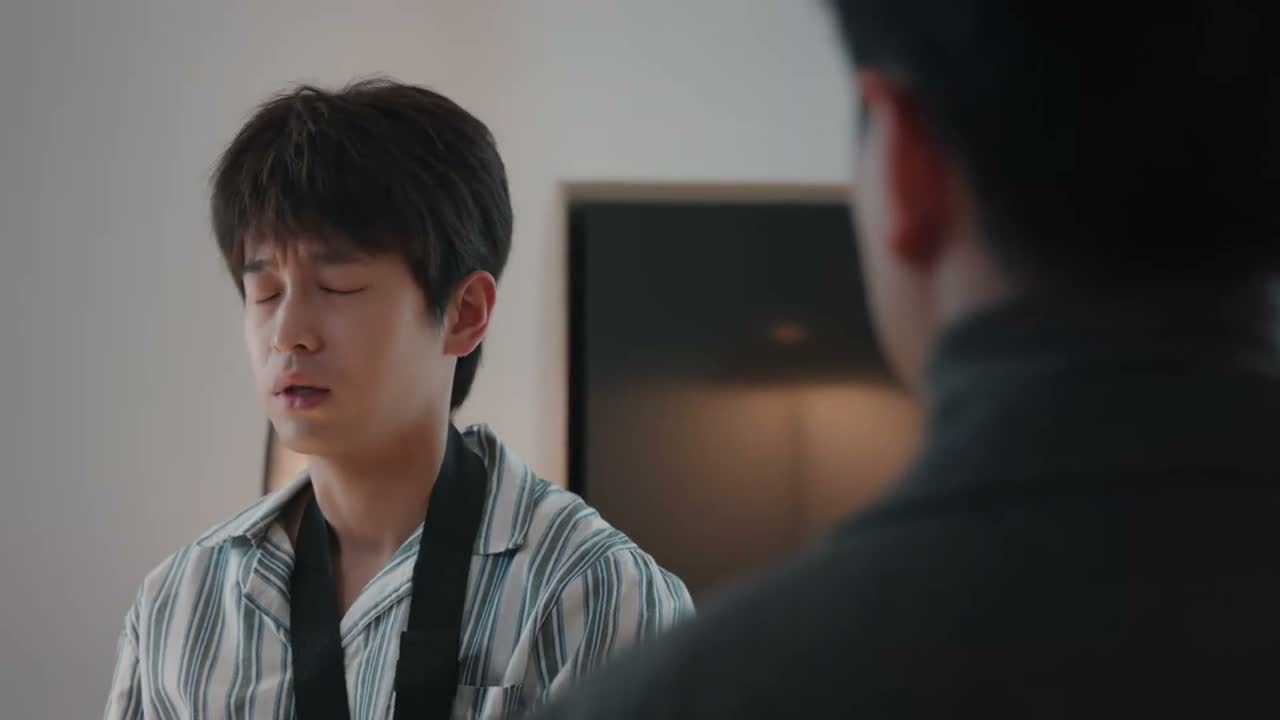
nǐ ràng wǒ shuō wǒ jiù shuō a wǒ gàn má yào tīng nǐ de
你让我说我就说啊 我干吗要听你的
“Why should I listen to you?”
《The Glamorous Night》
S1·E16
TIMECODE: 09:15
·
1080P MASTER AUDIO
THE DIALOGUE REEL
[-1] PREVIOUS TURN
nǐ shuō wán wǒ lù wán wǒ jiù bào jǐng hǎo ma yǒu běn shì nǐ shuō ya
你说完 我录完 我就报警 好吗 有本事你说呀
“I'll record it and call the police, okay? Say it if you dare.”
nǐ ràng wǒ shuō wǒ jiù shuō a wǒ gàn má yào tīng nǐ de
CURRENT FOCUS
你 让我说我就说 啊 我 干吗要听你的
“Why should I listen to you?”
[+1] FOLLOW-UP TURN
bù gǎn le ba
不敢了吧
“Scared now?”
Subtitles synced to millisecond timecode
Browse Show Clips →
Scene:
Crisis & Conflict
Function:
DEFIANT REFUSAL
Tone:
SNIDE
Emotion:
DEFIANCE
WHAT THEY REALLY MEAN (PRAGMATIC SUBTEXT)
“I'm not stupid enough to talk into your phone just because you dared me.”
💡 Cultural Insight: Counter-Provocation in Disputes
In Chinese verbal quarrels, repeating an opponent's condition using the 'A就A啊' pattern acts as a defensive tactic to dismantle their psychological pressure.
INTENT TAGS:
#refusal
#defiance
#counter_attack
#evasion
🧩
2 CHUNKS · 1 PARTICLES
LEARNING CHUNKS & PARTICLES
干吗要
SPOKEN CHUNK
why should I; why would I
An assertive rhetorical phrasing used to reject demands or point out the absurdity of doing something.
听你的
SPOKEN CHUNK
listen to you; do as you say
Commonly used in daily exchanges to express obedience or, when phrased rhetorically, outright refusal.
Modal Particle「啊」 (a)
CHANGE OF STATE
Heightens the rhetorical, sarcastic quality of the initial challenge.
🏮
2 EXPR · 3 GRAMMAR
VOCABULARY & EXPRESSIONS
COLLOQUIAL EXPRESSIONS:
CROSS-CINEMA CORPUS BOARD · PARALLEL SCENES
EXPLORE BY SEMANTIC SIMILARITY
Parallel Spoken Cinema Scenes (语义近邻切片)
《The Glamorous Night》 S1·E16 (09:15) · Authentic Cinema Dialogue Corpus