嫁出去就是别家的人了
“Once she does, she belongs to another family.”
THE DIALOGUE REEL
姑娘外向
“A girl grows up and eventually marries into another family.”
嫁出去就是别家的人了
“Once she does, she belongs to another family.”
那你不能只为了心疼孙女
“You must not let your affection for your granddaughter”
“She belongs to another family now, so stop overindulging her at our expense.”
In traditional Chinese society, married daughters were culturally viewed as 'spilled water' or members of their husband's clan, often limiting their claims on natal family resources.
LEARNING CHUNKS & PARTICLES
marry out (of the natal home)
Used specifically for women marrying out into another family, reflecting traditional patrilocal marriage culture.
part of someone else's household; an outsider to the natal family
Describes a person belonging to another clan or lineage after marriage.
Marks a change of state, indicating the shift in clan belonging once married.
VOCABULARY & EXPRESSIONS
Parallel Spoken Cinema Scenes (语义近邻切片)

“just behave and get married.”
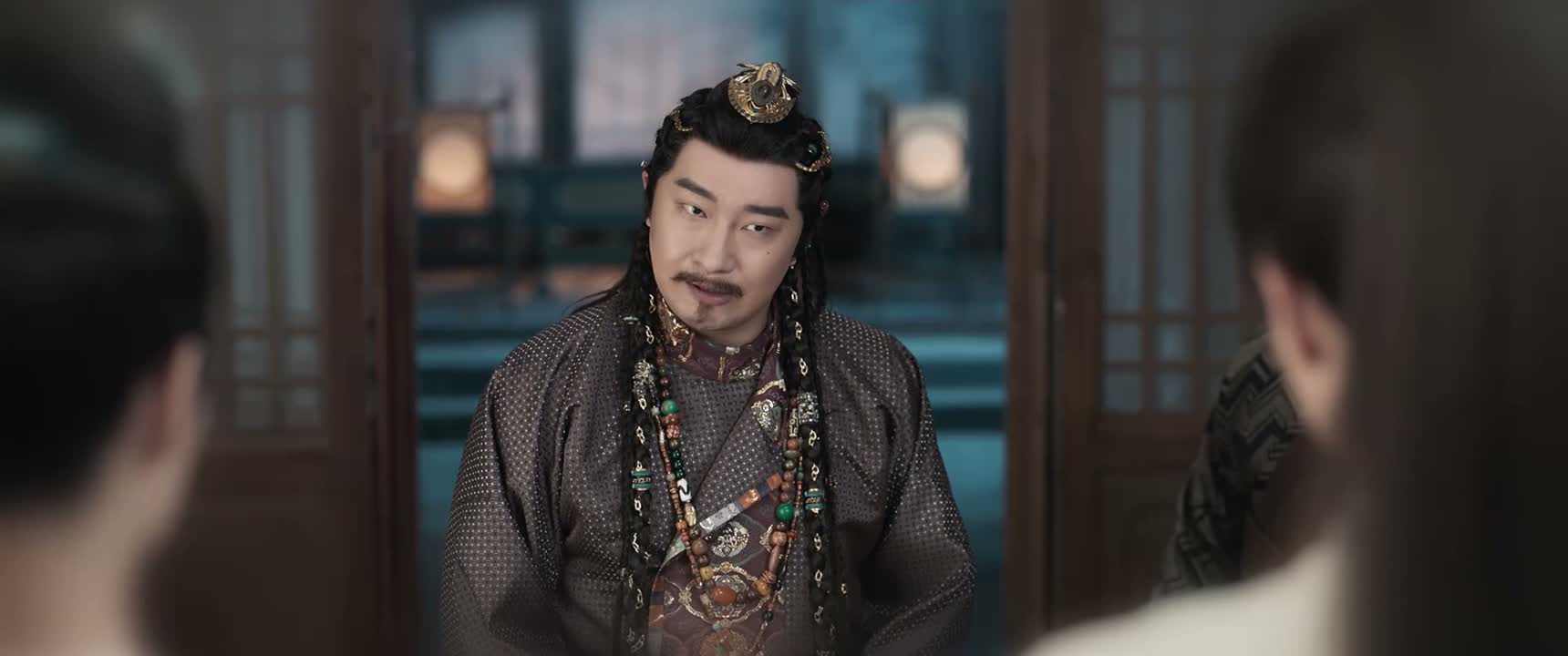
“none of you should leave.”

“He will definitely marry you off in full ceremony and splendor.”

“to get you married soon.”

“Just… don't end up opposing that person.”

“Others can't make it.”