MC
MandarinClips Cinema Corpus
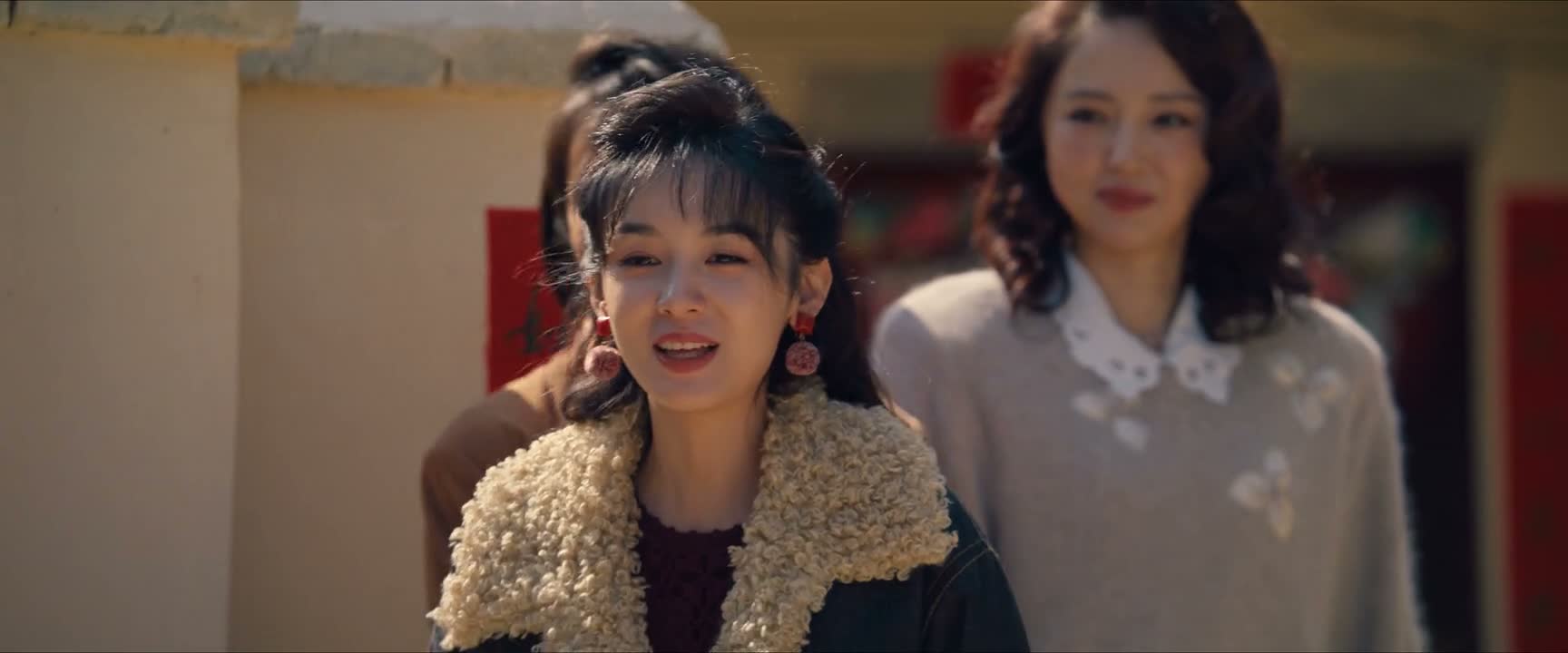
《The Knockout》 S1·E1 (34:14) HSK 2
dà guò nián de nǐ men jiù bié zài zhè ér le

大过年的 你们就别在这儿了

“It's New Year's Eve. Don't stay here.”

《The Knockout》 S1·E1
TIMECODE: 34:14 · 1080P MASTER AUDIO

THE DIALOGUE REEL

1+1+1 SPOKEN CONTINUITY
[-1] PREVIOUS TURN guò jǐ tiān jiù yīng gāi néng huí jiā le

过几天就应该能回家了

“He should be able to go home in a few days.”

dà guò nián de nǐ men jiù bié zài zhè ér le CURRENT FOCUS

大过年的 你们就别 在这 儿了

“It's New Year's Eve. Don't stay here.”

[+1] FOLLOW-UP TURN nǐ men nǐ men huí qù péi péi nǐ men fù mǔ quàn quàn lǎo rén ān wèi ān wèi

你们 你们回去陪陪你们父母 劝劝老人 安慰安慰

“Go back and keep your parents company. Don't make them worried.”

Subtitles synced to millisecond timecode Browse Show Clips →
Scene: Crisis & Conflict
Function: URGING DEPARTURE
Tone: EARNEST
Emotion: CONCERN
WHAT THEY REALLY MEAN (PRAGMATIC SUBTEXT)

Direct spoken expression in this communicative setting.

💡 Cultural Insight: Daguonian-de (The Holiday Exemption Mindset)

Chinese New Year holds supreme cultural priority for family reunions; people invoke this phrase to deter conflicts, waive obligations, or insist relatives go home.

INTENT TAGS: #persuasion #concern #holiday_reunion #urging
🧩

LEARNING CHUNKS & PARTICLES

2 CHUNKS · 1 PARTICLES
大过年的 SPOKEN CHUNK

during the Chinese New Year holidays

A common rhetorical framing used to plead for leniency, dismiss petty issues, or urge people to return home to celebrate.

别在这儿了 SPOKEN CHUNK

don't stay here any longer

Used colloquially to urge someone to leave a place for their own good or comfort.

Modal Particle「了」 (le) CHANGE OF STATE

Indicates a change of state or marks a prohibitive suggestion implying 'stop doing what you are doing'.
🏮

VOCABULARY & EXPRESSIONS

2 EXPR · 0 GRAMMAR
CROSS-CINEMA CORPUS BOARD · PARALLEL SCENES

Parallel Spoken Cinema Scenes (语义近邻切片)

EXPLORE BY SEMANTIC SIMILARITY
《The Knockout》 S1·E1 (34:14) · Authentic Cinema Dialogue Corpus