大过年的
dà guò nián deCommon spoken expression used by native Chinese speakers in daily life.
[Scene: 其他场景]
(5 clips) 00:02
(更何况) ── Previous context
“it's the middle of winter, and the New Year has just passed.”
 00:02
 00:02
(我说老肖你 是不是又惹到人家了) ── Previous context
“Or why would anyone throw a temper tantrum during the New Year holiday?”
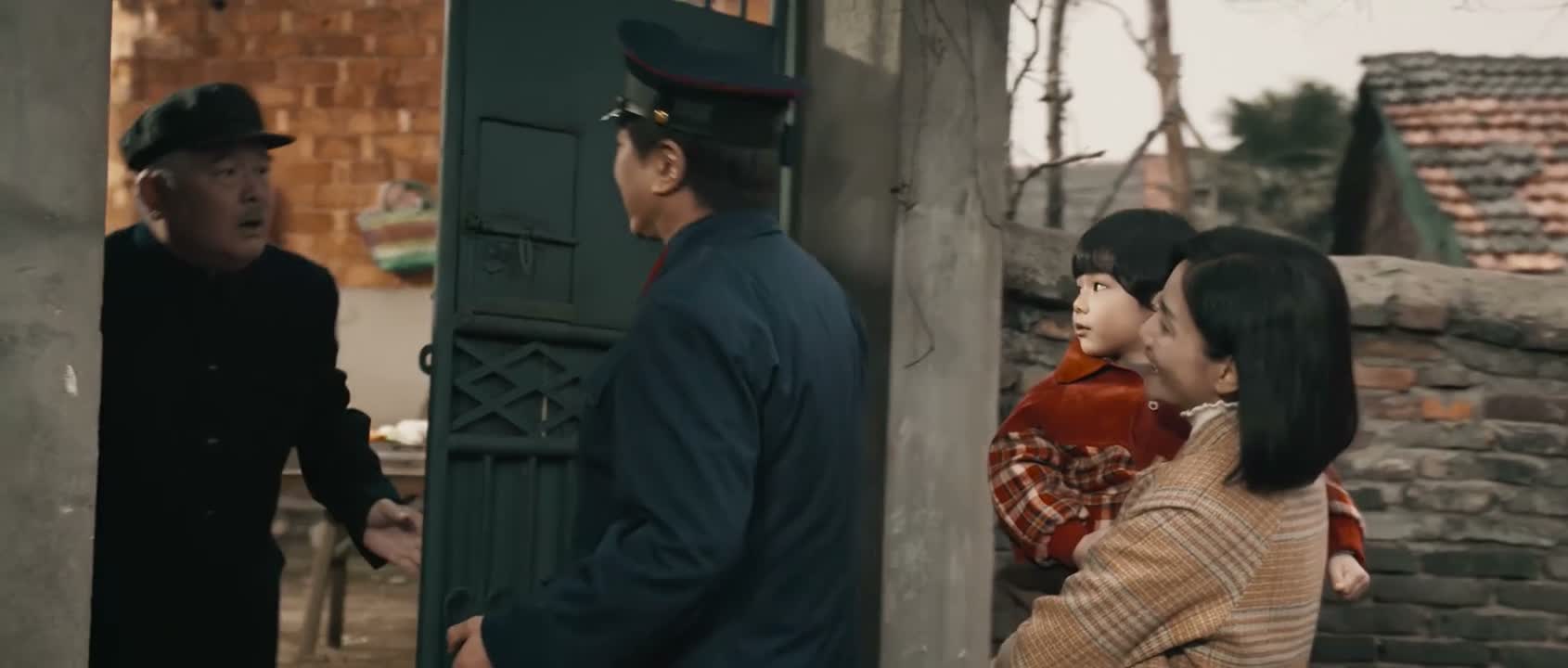 00:02
(我 红兵) ── Previous context
“- You haven't even put up couplets. - Happy Chinese New Year!”
 00:02
(但我们现在 也在盛城定居了 就不用麻烦大家了) ── Previous context
“It's the New Year. Everyone, please go back.”
[Scene: 家庭日常]
(5 clips) 00:02
(该玩玩 该吃吃 该喝喝) ── Previous context
“Call me if you need anything. It's New Year's. Go on.”
 00:03
 00:02
 00:03
(小飞 妈炸的馒头片) ── Previous context
“Don't look so miserable on New Year. It's bad luck.”
 00:02
[Scene: 社交聚会]
(4 clips) 00:02
 00:02
 00:03
(你这人怎么还瞎说 瞎猜呢还) ── Previous context
“I'm just trying to do something nice. You can't even go home for the Chinese New Year.”
 00:03
(不了) ── Previous context
“You can't leave! You can't leave. It's New Year's. Since you're already here,”
[Scene: 其他场景]
(1 clips) 00:02
[Scene: 历史宫廷]
(1 clips) 00:03
(不用不用 年年如此) ── Previous context
“This is the New Year's Eve. I'd hate to disturb the Emperor.”
[Scene: 警匪刑侦]
(1 clips) 00:02
📌 不许
→Nuance: 同向近义词根配对: [不能 ↔ 不许]
📌 别扫了
→Nuance: 同为劝离,表达更为委婉
📌 别扫了
→Nuance: 核心交际意图完全一致,劝退离开
📌 电话
→Nuance: 核心交际意图相同,带催促口吻
⚡ 没事
→Contrast: 极性反义对撞: [没事 ↔ 有事]
⚡ 叫个车
→Contrast: 极性反义对撞: [没事 ↔ 有事]
⚡ 电话
→Contrast: 极性反义对撞: [没事 ↔ 有事]
⚡ 大不了
→Contrast: 意向截然相反,主张离开
⚡ 走了
→Contrast: 极性反义对撞: [能 ↔ 不能]
⚡ 不要打
→Contrast: 极性反义对撞: [没事 ↔ 有事]