这大过年的 天寒地冻
“it's the middle of winter, and the New Year has just passed.”
THE DIALOGUE REEL
更何况
“Moreover,”
这 大过年的 天寒地冻
“it's the middle of winter, and the New Year has just passed.”
哪有仗给他打呀
“Where would there even be a battle to fight?”
Direct spoken expression in this communicative setting.
Chinese people culturally treat the Lunar New Year as a sacred time of harmony and rest, often citing '大过年的' to discourage conflicts, bad news, or excessive toil.
LEARNING CHUNKS & PARTICLES
during the New Year festival; in the middle of celebrating the New Year
A very common Chinese idiom used to argue against unpleasant events, conflicts, or hard work during holiday times.
freezing cold; the weather is bitter and the ground is frozen
An idiomatic four-character idiom describing extremely cold winter weather conditions.
Emphasizes the temporal context and emotional weight of the holiday season.
VOCABULARY & EXPRESSIONS
Parallel Spoken Cinema Scenes (语义近邻切片)
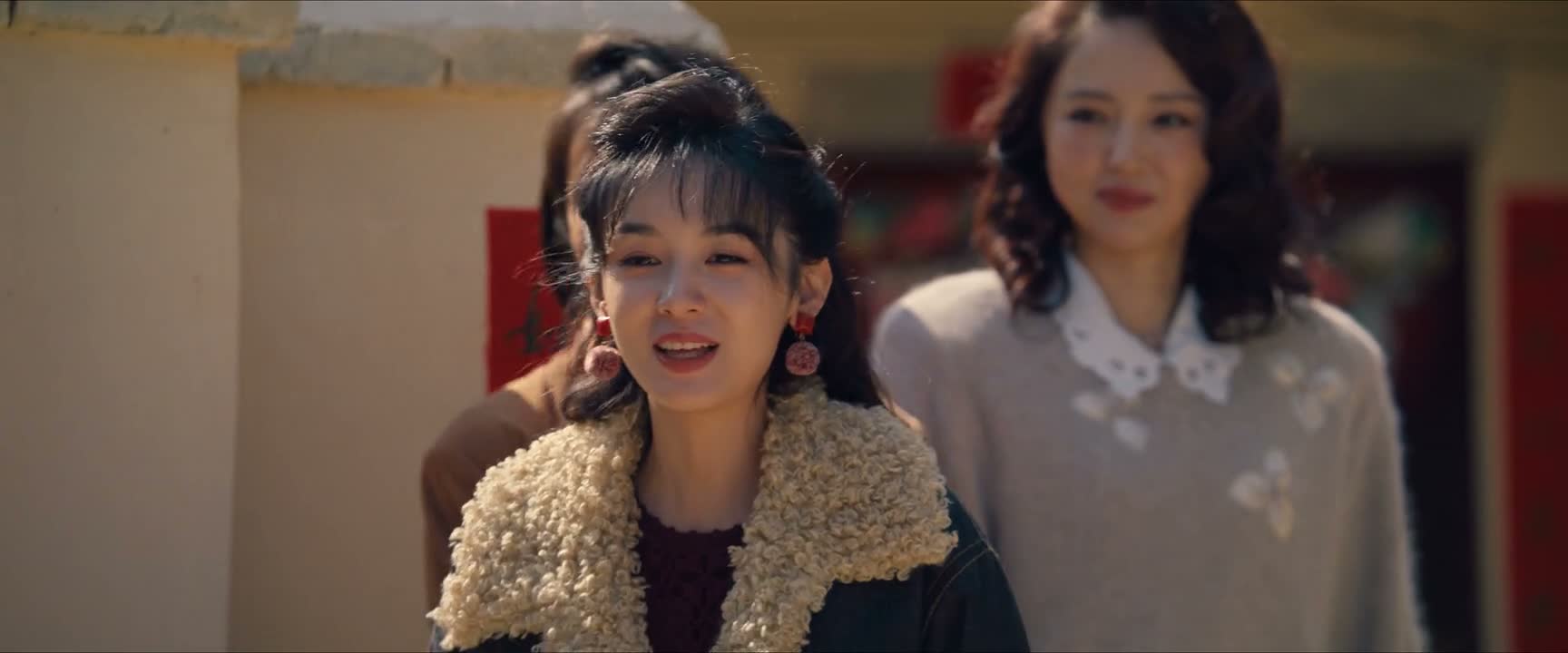
“It's the New Year. Everyone, please go back.”
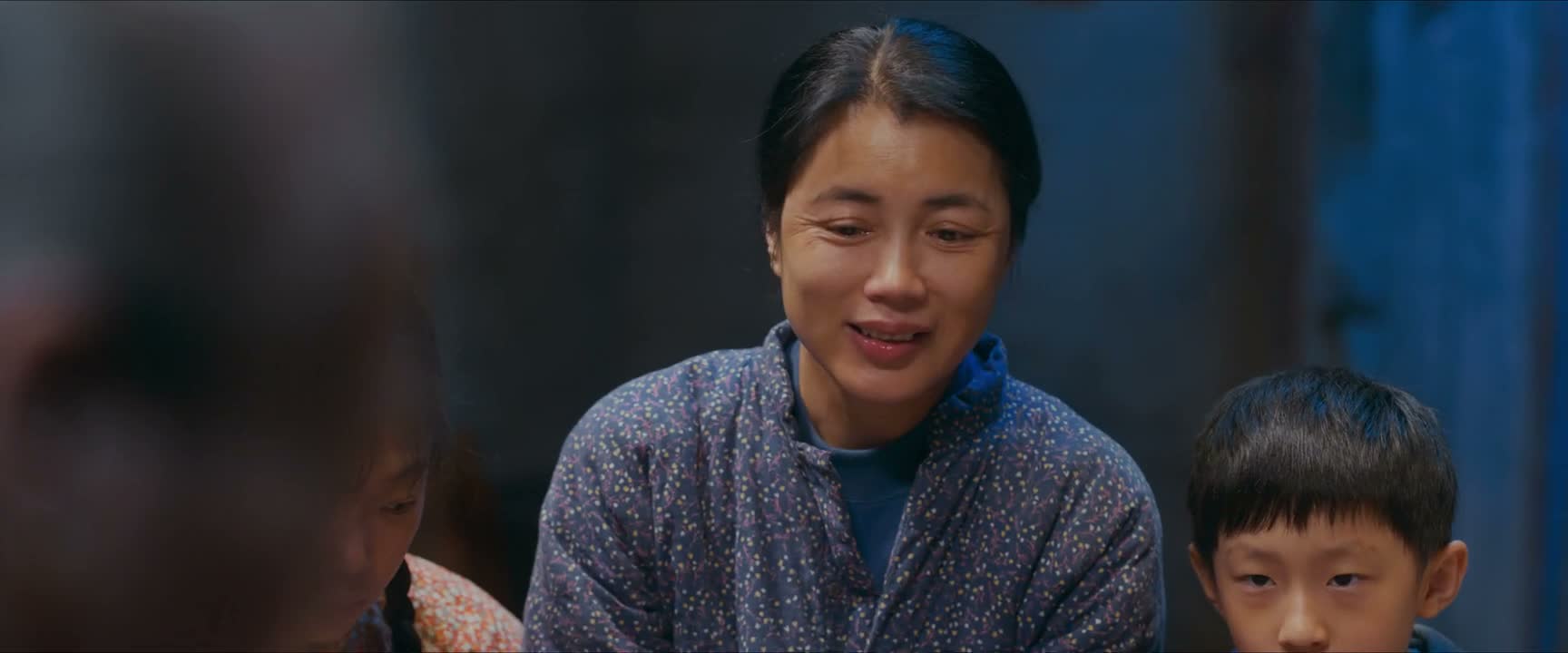
“It's the New Year. Don't get so worked up.”

“It's New Year's Eve. Don't stay here.”

“It's New Year, and your life is such a mess.”

“It's the New Year. It's nice to be somewhere lively. You have to go.”

“It's New Year. Let's not spoil everyone's mood.”