大过年的你哭什么呀
“It's Lunar New Year. Why are you crying?”
THE DIALOGUE REEL
“the three of us will meet again.”
大过年的 你 哭什么 呀
“It's Lunar New Year. Why are you crying?”
天涯若比邻
“Long distance separates no friends.”
“Come on, it's Chinese New Year—don't cry, cheer up!”
A common Chinese colloquialism and cultural mindset. The Spring Festival is viewed as a major holiday celebrating family reunion, auspiciousness, and festivity. Traditional customs taboo crying, arguing, or uttering inauspicious words during the New Year period, making this phrase a powerful pretext to resolve conflicts or comfort someone who is upset.
LEARNING CHUNKS & PARTICLES
during Chinese New Year
A highly frequent colloquial phrase used as an emotional premise to mediate disputes, smooth things over, or dissuade ill-timed behavior (e.g., 'it's New Year, don't be angry').
why cry / don't cry
A rhetorical question that superficially asks for a reason, but functionally serves to comfort someone or tell them to stop crying.
Used at the end of a question to soften the tone, making dissuasion or mild reproach sound gentle and caring rather than harsh.
VOCABULARY & EXPRESSIONS
Parallel Spoken Cinema Scenes (语义近邻切片)

“Don't look so miserable on New Year. It's bad luck.”
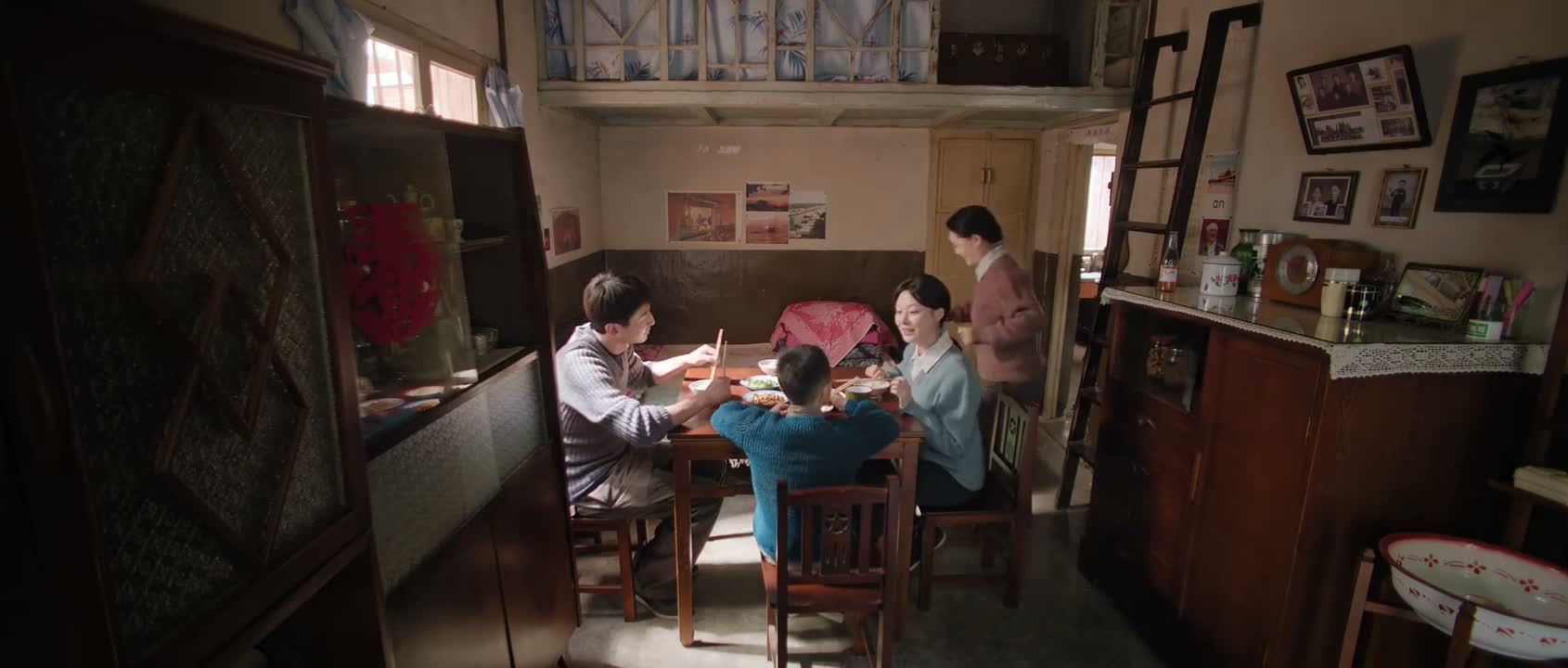
“Of course we're having meat in Chinese New Year.”
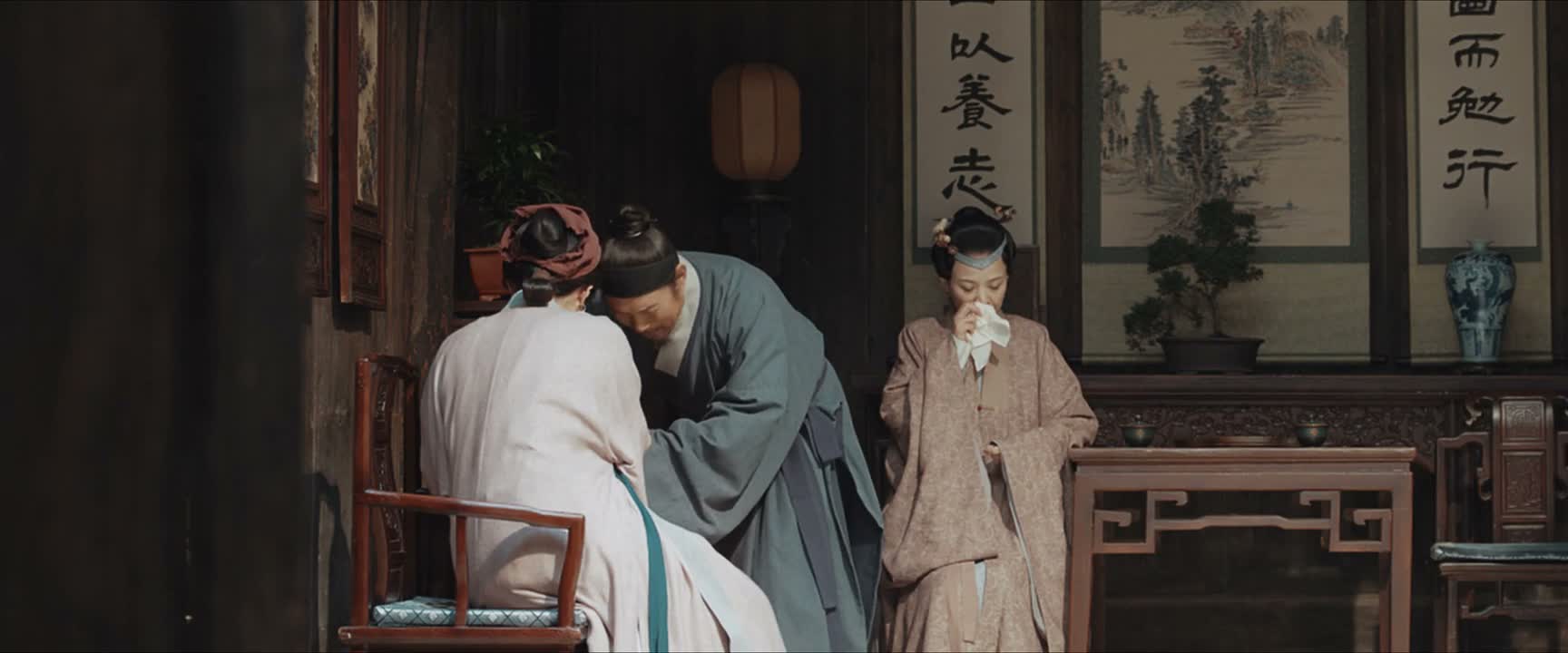
“Why are you crying?”
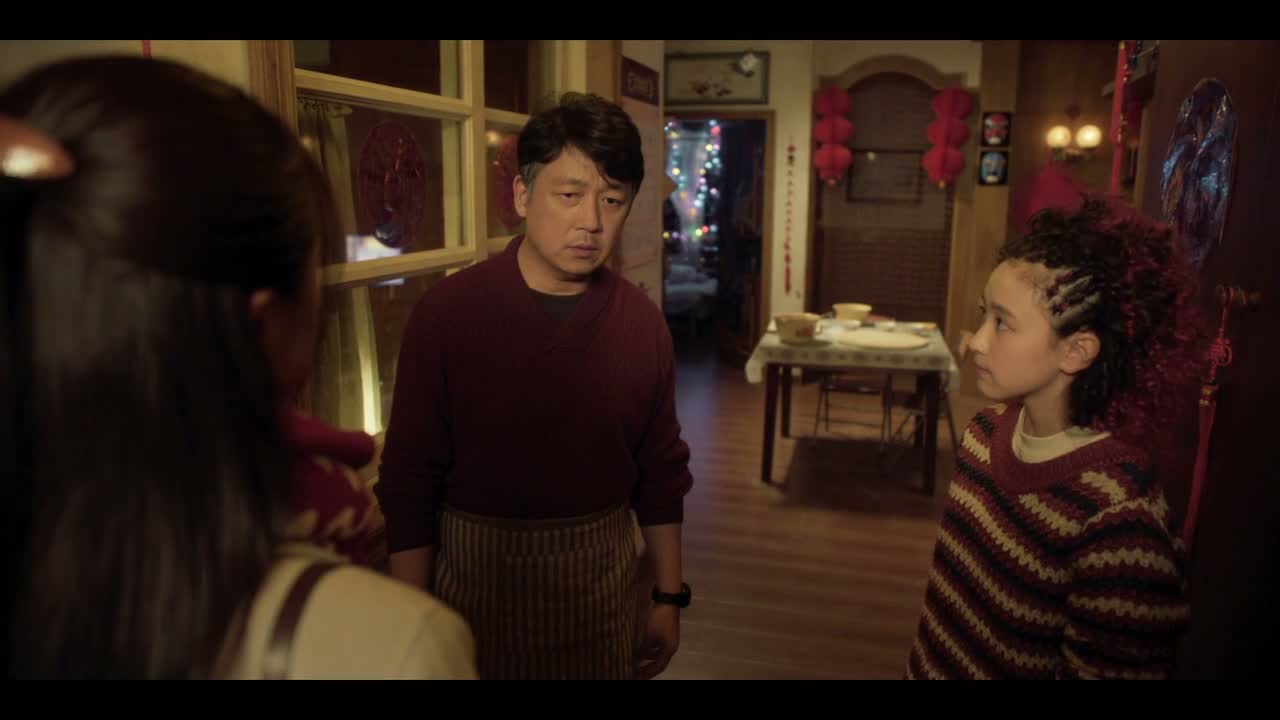
“What is he busy with on New Year's Eve?”

“It's New Year's Eve. Don't stay here.”

“It's New Year, and your life is such a mess.”