大过年的 别哭丧着个脸呀 多不吉利啊
“Don't look so miserable on New Year. It's bad luck.”
THE DIALOGUE REEL
大过年的 别哭 丧着个脸 呀 多 不吉利 啊
“Don't look so miserable on New Year. It's bad luck.”
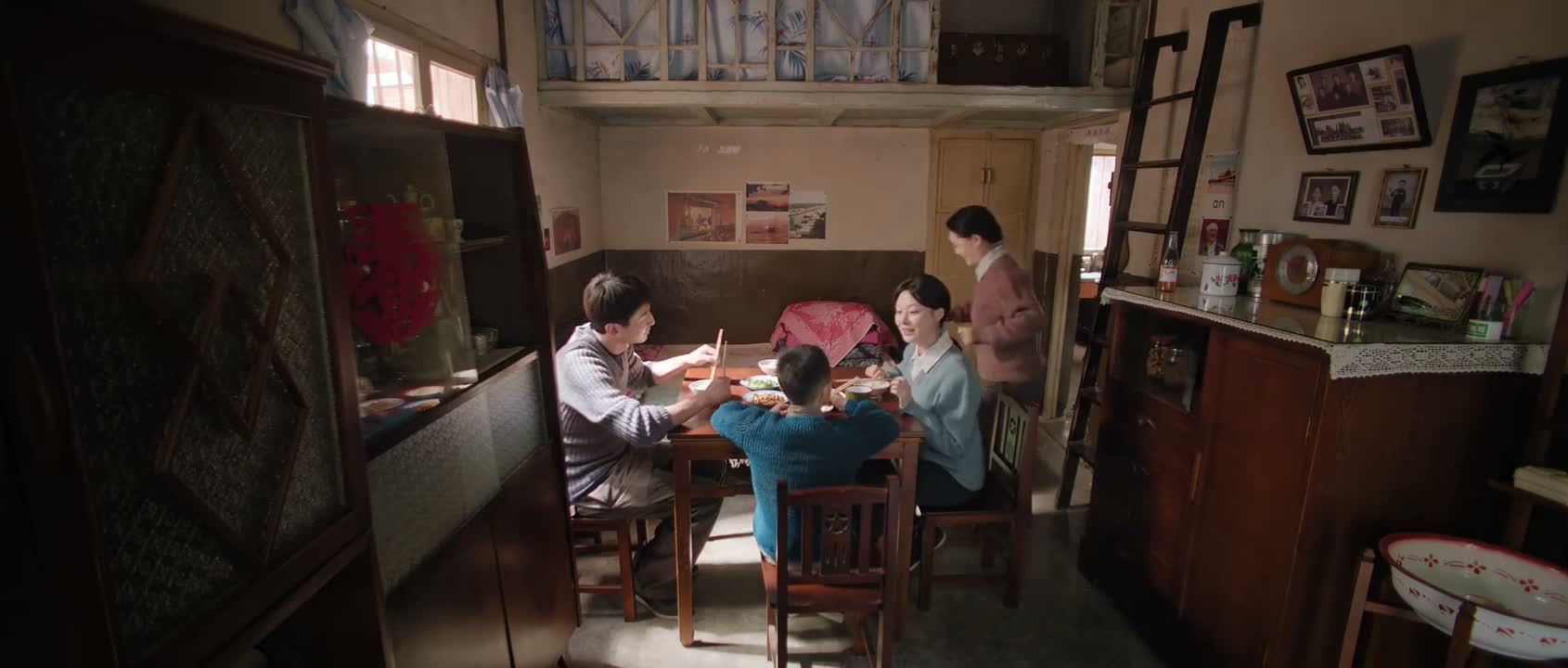
“I pan-fried some dumplings. Xiaofei, come eat. Xiaofei.”
“Snap out of it and cheer up; you are ruining the holiday vibe and inviting bad luck.”
Chinese cultural traditions strictly forbid crying, arguing, or wearing sad expressions during Spring Festival, as emotional states during this period are believed to set the tone for the entire year's fortune.
LEARNING CHUNKS & PARTICLES
in the middle of celebrating the New Year
A classic cultural justification used to discourage conflicts, sadness, or negative behavior during the festive season.
wearing a long, mournful face
A vivid colloquial idiom describing someone sulking or looking excessively depressed, often considered taboo during happy times.
so inauspicious / bringing bad luck
Frequently invoked by elders to correct improper taboos or gloomy expressions on auspicious days.
Softens the imperative reproach, making it sound more coaxing than aggressive.
Adds rhetorical weight and emotional emphasis to the statement of inauspiciousness.
VOCABULARY & EXPRESSIONS
Parallel Spoken Cinema Scenes (语义近邻切片)
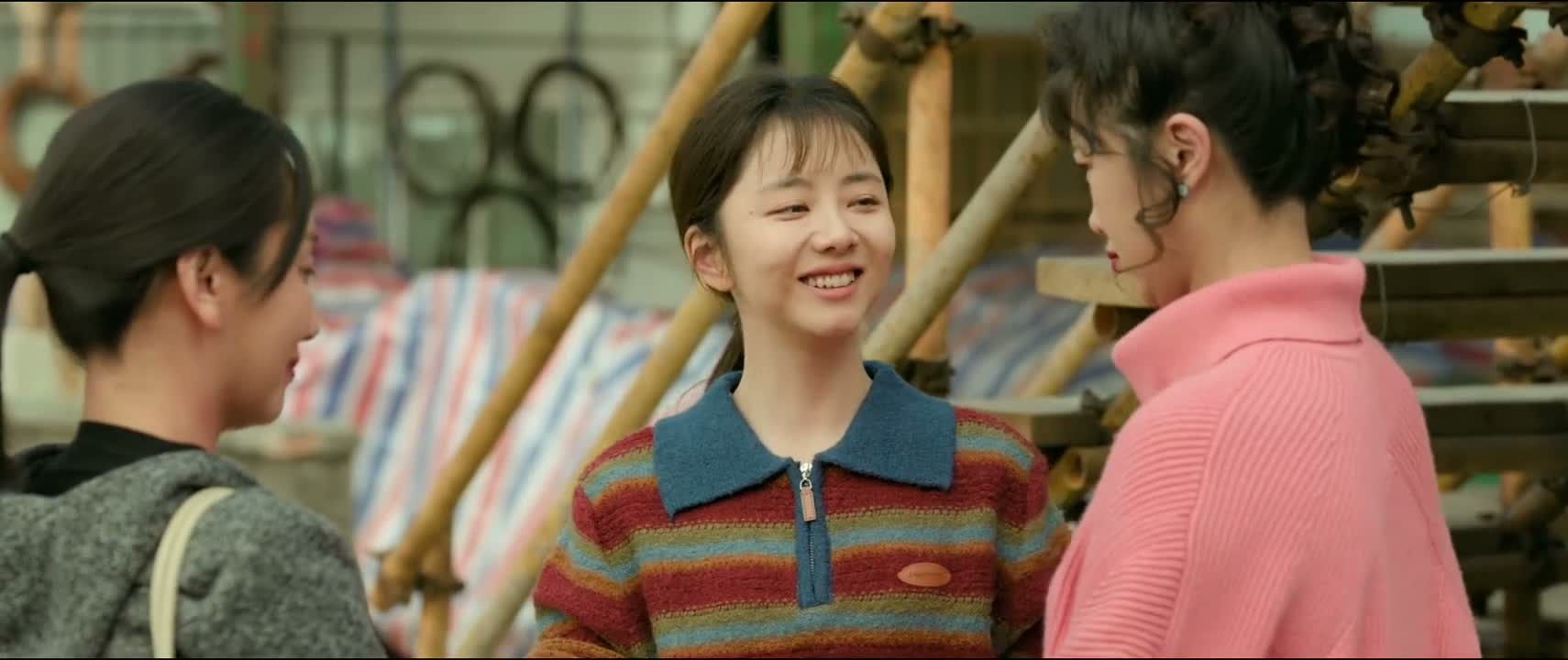
“It's Lunar New Year. Why are you crying?”
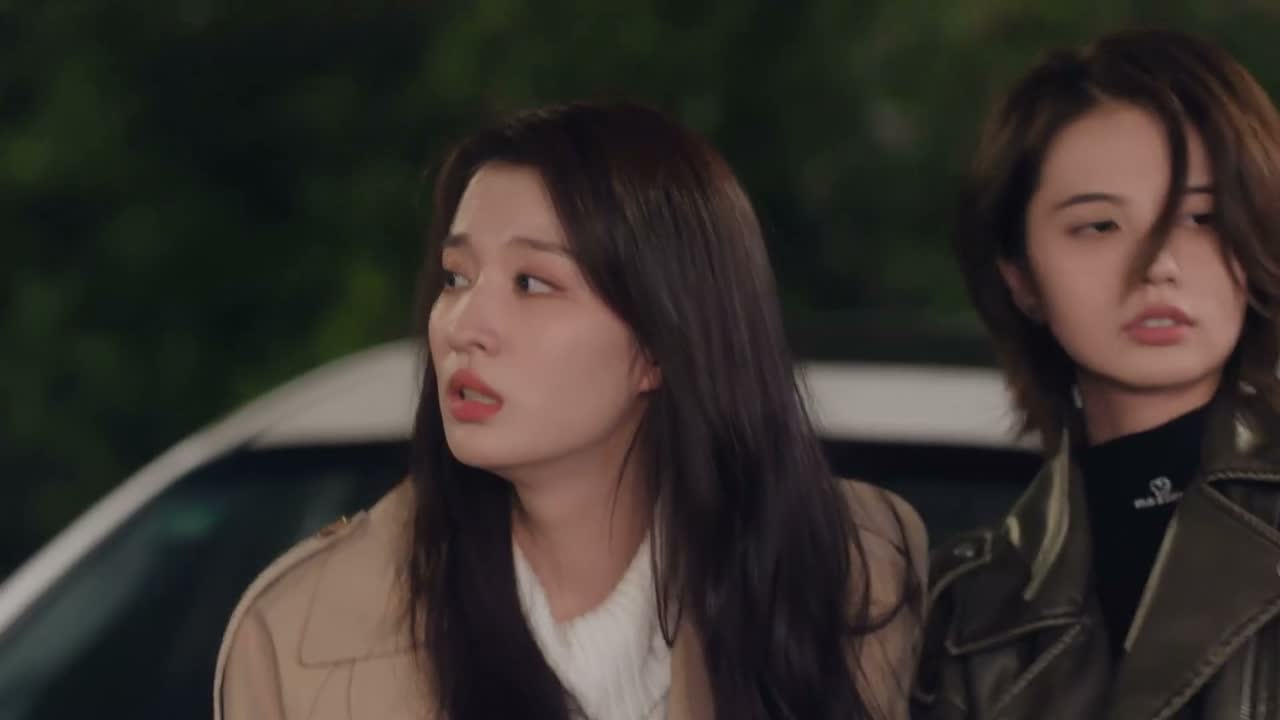
“It's New Year. Let's not spoil everyone's mood.”
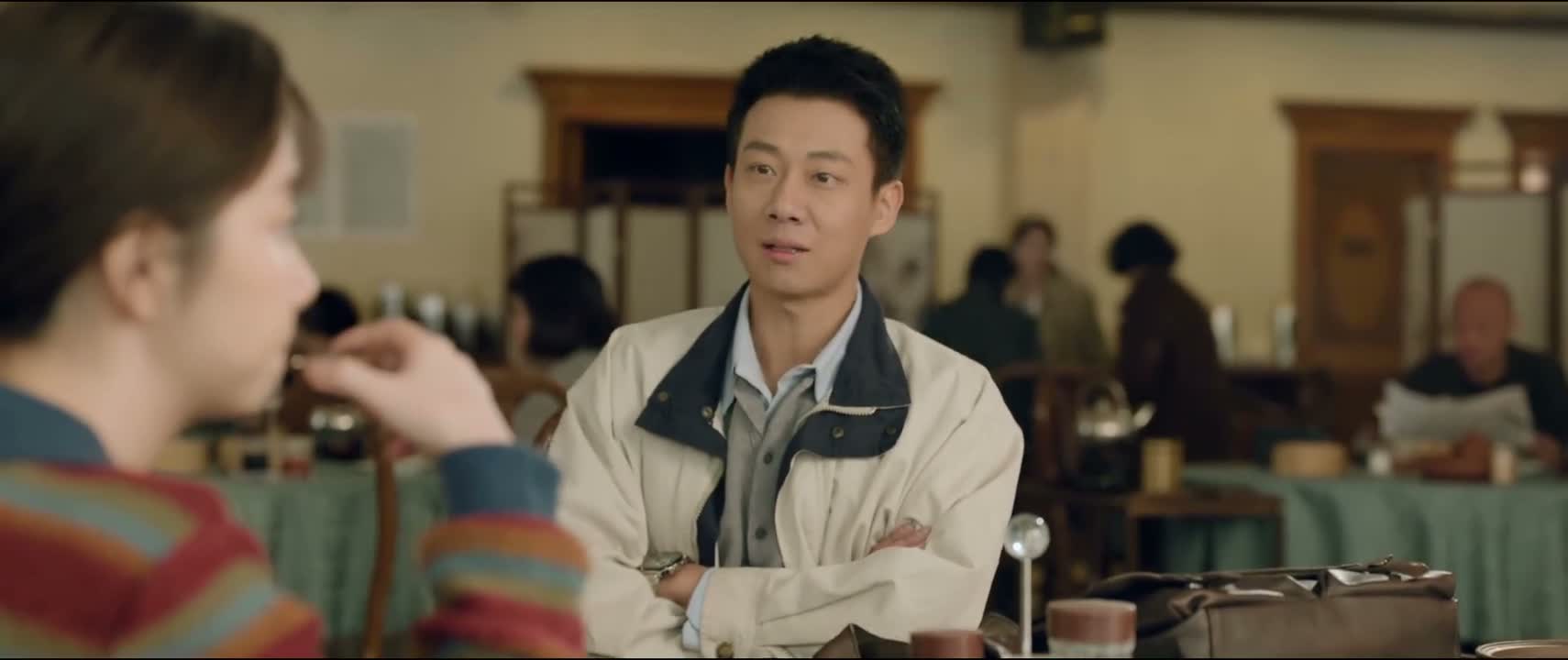
“It's Spring Festival. Say something nice.”

“It's New Year's Eve. Don't stay here.”
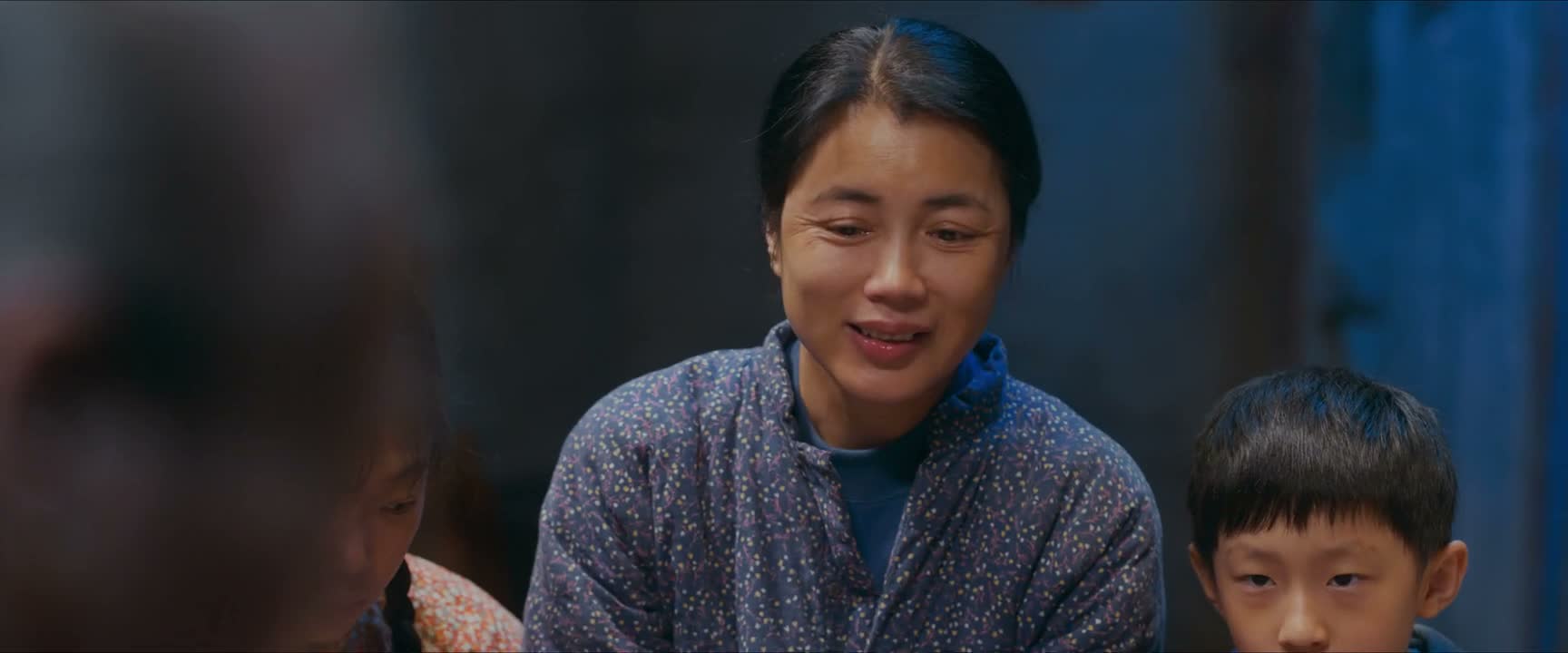
“It's the New Year. Don't get so worked up.”
“Of course we're having meat in Chinese New Year.”